

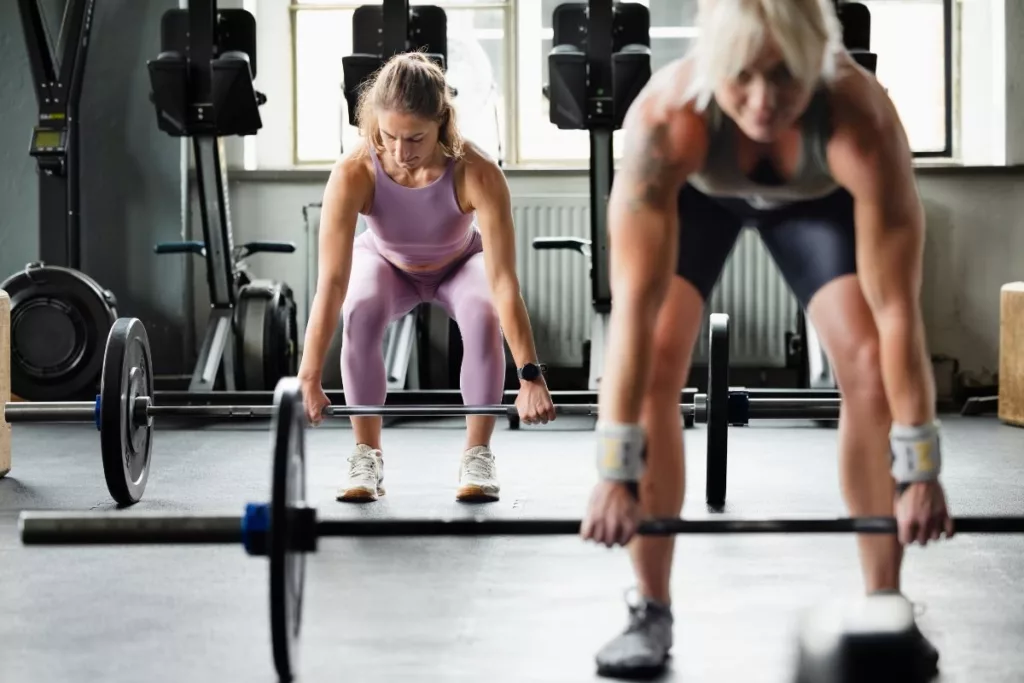
Fewer, well-chosen exercises can burn more calories than longer, less intense workouts, according to fitness experts who argue that the relationship between exercise and calorie burn is more nuanced than simply exercising harder for longer.
Personal trainer Adam Dobre, who owns Red Fox Gym, told GB News that many people mistakenly assume that more exercise automatically leads to better results. “More exercise does not equal better results,” he said. “Well chosen and fewer exercises can actually cause greater calorie burn because you are training at a higher intensity and better form.”
The core principle, Dobre explained, is to shift the focus from duration to efficiency. Rather than spending an hour on moderate activity, a shorter session built around carefully selected movements can deliver a higher energy expenditure by demanding more from the body in a condensed period.
Compound exercises: why they work
Compound exercises, also known as multi-joint movements, are the centrepiece of this approach. These are exercises that engage several muscle groups at the same time, requiring the body to recruit more motor units and consume more oxygen than isolation movements such as bicep curls or calf raises. “Compound movements engage several muscles at once and burn more calories than isolation exercises,” Dobre said. “Exercises like squats, deadlifts, lunges and rows use multiple muscle groups at the same time, requiring more energy and having greater metabolic demand.”
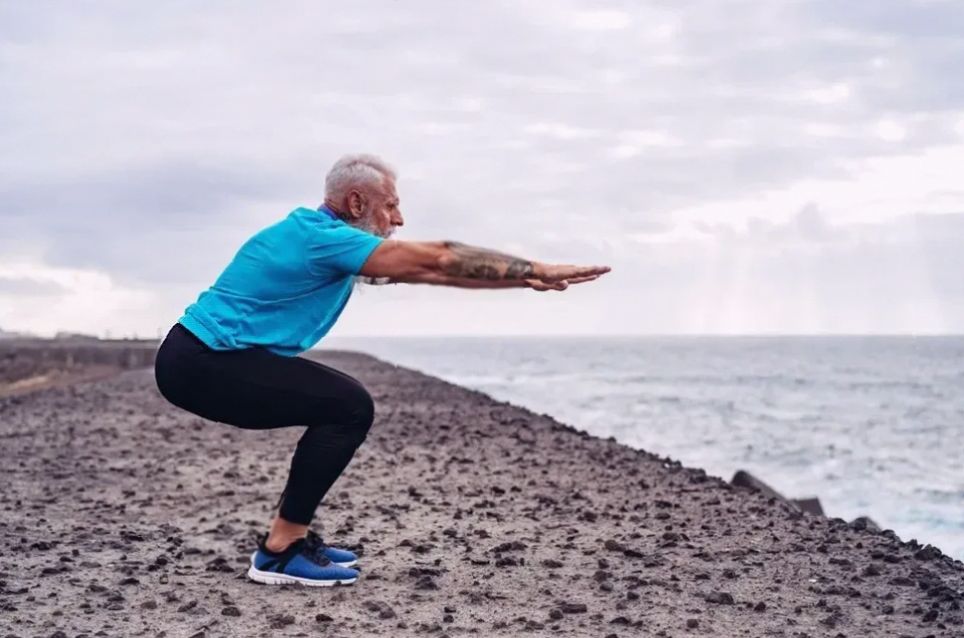
The British Heart Foundation confirms that compound workouts use significantly more energy than movements that target a single muscle group. Because they simultaneously burn calories and build muscle, the charity notes, they are ideal for weight loss. The reason is partly physiological: muscle tissue is more metabolically active than fat tissue, meaning it burns more calories at rest. While the exact number of calories burned per pound of muscle at rest is debated, it is generally accepted that increased muscle mass leads to a higher resting metabolic rate (RMR) and total daily energy expenditure (TDEE). This increased metabolic demand from muscle tissue can contribute to a greater calorie deficit over time, compounding the benefits of the workout itself.
Beyond calorie burn, compound movements are also more similar to the motions people make in everyday life. This similarity can improve overall coordination and balance and may help prevent injuries by strengthening the stabilising muscles and patterns used in daily tasks. Dobre emphasised that because so many muscular components are engaged at once, the exercises yield highly efficient results that mimic real-life activities.
Practical tips to maximise efficiency
To translate this principle into a workout, Dobre recommends prioritising compound movements as the foundation of any session. He also advises adjusting rest periods between sets to keep the heart rate elevated. “Shorten your rest periods to 30-60 seconds to keep an elevated heart rate and increase the energy you’re expending,” he said.
For an additional calorie boost without significantly lengthening the workout, Dobre suggests finishing each session with five to ten minutes of high-intensity cardio, such as on a treadmill, rowing machine or bike. “Finish exercises with five to 10 minutes of high intensity cardio, like on the treadmill, rowing machine or bike in order to increase calorie burn without adding too much time to your workout,” he said.

This approach aligns with the principles of High-Intensity Interval Training (HIIT), which research shows can burn between 12 and 18 calories per minute, compared with 7 to 10 calories per minute for traditional steady-state cardiovascular exercise. While a longer cardio session may burn more total calories overall, HIIT delivers a higher burn per minute and triggers what is known as the afterburn effect, or Excess Post-exercise Oxygen Consumption (EPOC). During EPOC, the body continues to burn calories at an elevated rate for up to 24 to 48 hours after the workout has finished, contributing an additional 6 to 15 per cent to the total calorie burn. For pure fat loss in less time, HIIT is often considered the superior option.
Dobre also highlights loaded carries — such as the farmer’s walk or suitcase carry — as an effective way to challenge the entire body while raising heart rate. “Loaded carries like farmers walk or suitcase carries are a great way to challenge the entire body and raise heart rate,” he added. These exercises are beneficial for trunk stabilisation, muscle mass increase and fat loss due to their high calorie expenditure and full-body engagement. They also improve grip strength, posture and can be relatively joint-friendly compared with some other high-impact movements.
The overarching message, as Dobre puts it, is that efficiency matters more than duration. “Remember, efficiency matters more than duration.”