

Around one percent of men in the UK have azoospermia, a condition defined by the complete absence of sperm in the ejaculate. For most, the diagnosis emerges only when they begin trying for a family — and for Shaun and Jenna Greenaway, it arrived not in a private consultation room, but over the phone from a clinic receptionist.
Shaun, from Cornwall, had a severe bout of mumps in his twenties which doctors later suggested may have caused the condition. The couple married in 2013 and began trying for children four years later. When nothing happened, they embarked on fertility testing. Jenna’s results came back clear. Then came Shaun’s call. “We had no idea what Azoospermia was, but we were both shellshocked. To be told you have zero sperm, not even a low count,” Jenna, now 41, recalled.
The psychological impact was immediate and profound. Prior to the diagnosis, Jenna described Shaun as outgoing and fun. Afterwards, he withdrew into himself. “He had this feeling of not being a man and not being able to give me what a man should be able to,” she said. “He even said I could leave him if I wanted.”
These feelings are far from uncommon. Dr Cesa Diaz, chief medical officer of IVI RMA Northern Europe and former medical director of IVI London, notes that male infertility contributes to up to half of all fertility challenges and is the sole cause in around 30% of cases. Yet, a study published in 2025 found the condition and its treatments can severely affect men’s mental health. Analysis of social media forums revealed that 29% of posts from men included reports of feeling emasculated or isolated. The stigma, experts say, prevents many from seeking the support they need.
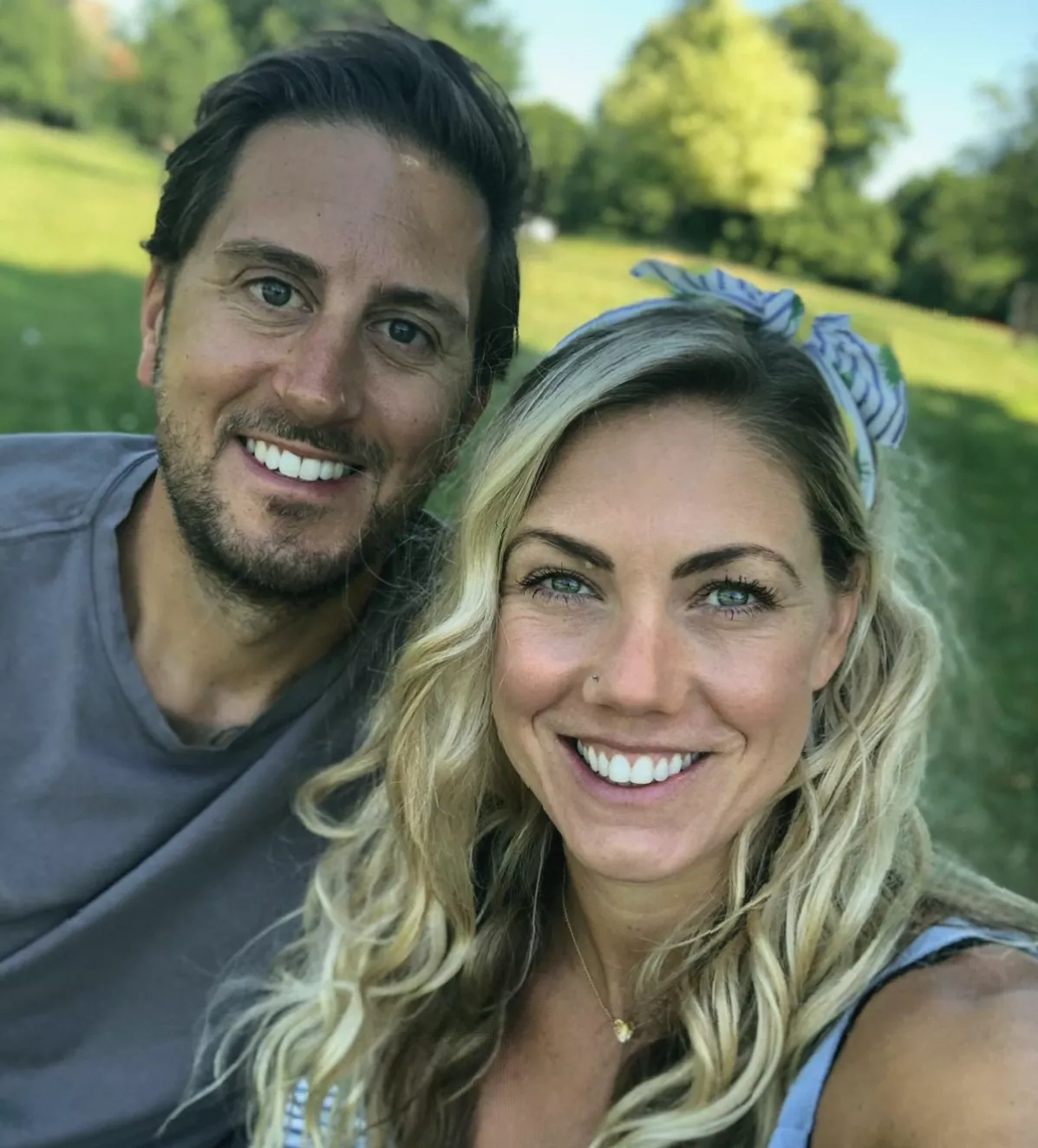
Jenna carried the weight of that stigma, too. Infertility is often treated as a woman’s problem, and she found herself protecting her husband by silently accepting the assumption. “I was never directly asked ‘What’s wrong with you?’, but that is what everyone thought and I just went along with it, as I didn’t want Shaun to carry the burden,” she said. Family members would ask, “When are you going to hurry up and have kids?” — a question that cut deeper than they knew.
Medical interventions and a ‘hard pill to swallow’
The couple initially placed their hopes in a varicocele embolization, a procedure designed to stop the testicles overheating and potentially boost sperm production. “We were warned it was only a 30% success rate but we pinned all our hopes on it working,” Jenna said. The day they learned it had failed, they were in the car near the train station. “Somebody walked past with a baby and then the phone rang: ‘Unsuccessful’. That was a really hard pill to swallow.”
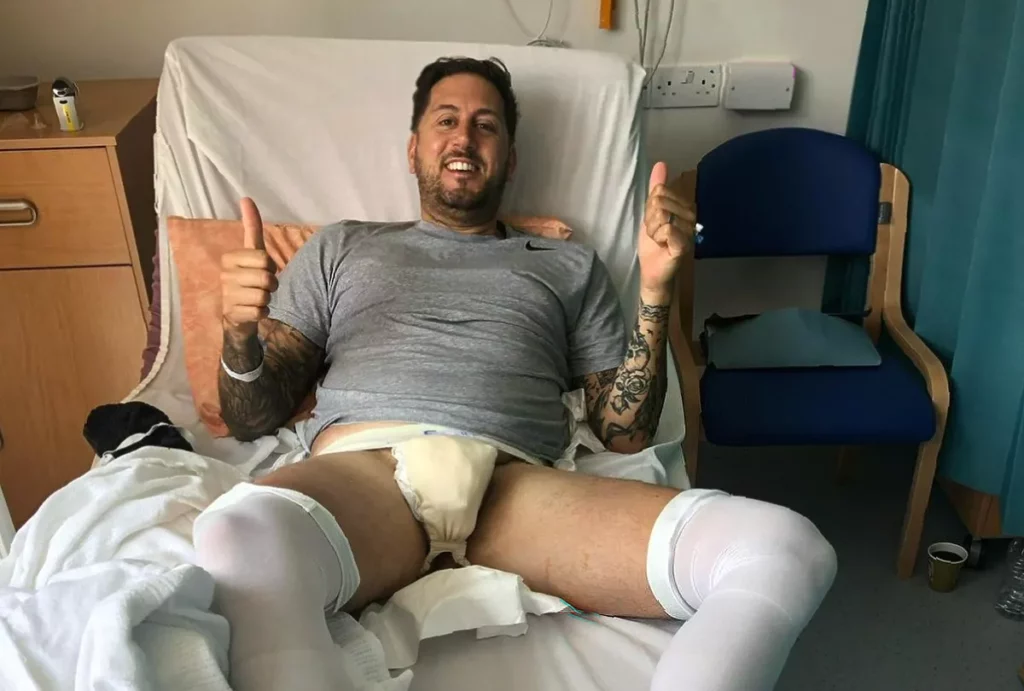
Shaun then underwent a far more invasive surgical sperm retrieval. Medics spent two hours going through his tubes in an attempt to find a single sperm. None was found. Jenna, bracing for the worst, had already discussed adoption and sperm donation with her husband. “When Shaun came around, his nether regions were all bandaged up. Not long after we were told it hadn’t worked, he took a photo smiling with his thumbs up. He was a bit high on the anaesthetic. The reality hadn’t sunk in.”
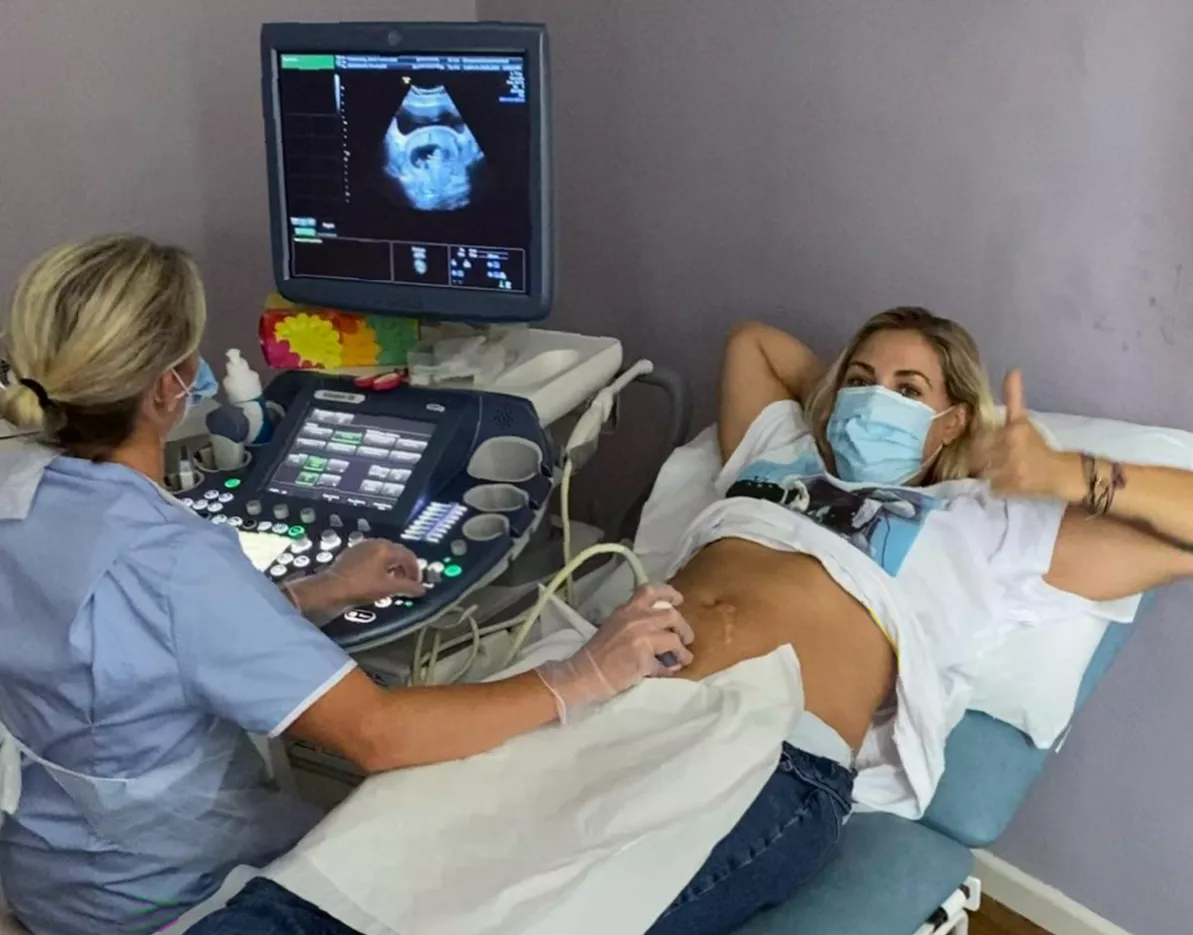
In 2019, they decided to use a sperm donor. Jenna began egg retrieval but suffered Ovarian Hyperstimulation Syndrome, which caused her body to swell. Then the Covid-19 pandemic struck, and IVF clinics across the UK shut their doors. “It was a really lonely time for us and I felt quite isolated,” Jenna said. “We didn’t know anyone else going through IVF for the same reasons we were.”
Their embryo transfer eventually went ahead at Bourn Hall Clinic in Cambridge in June 2020. Two weeks later, they received the news it had been successful. In February 2021, the couple’s twins, Ray and Evelyn, were born via planned caesarean section.
Breaking the silence, raising the cause
Shaun’s transformation began almost by accident during a television interview before the treatment. He started speaking openly about his diagnosis. “I was like ‘Woah, where has this come from?’ … I saw the weight he was carrying on his shoulders lift,” Jenna recalled. He began calling friends to tell them. He set up a community platform called NeXYs Fertility and an Instagram account, Knackered Knackers, to support other men going through similar challenges.
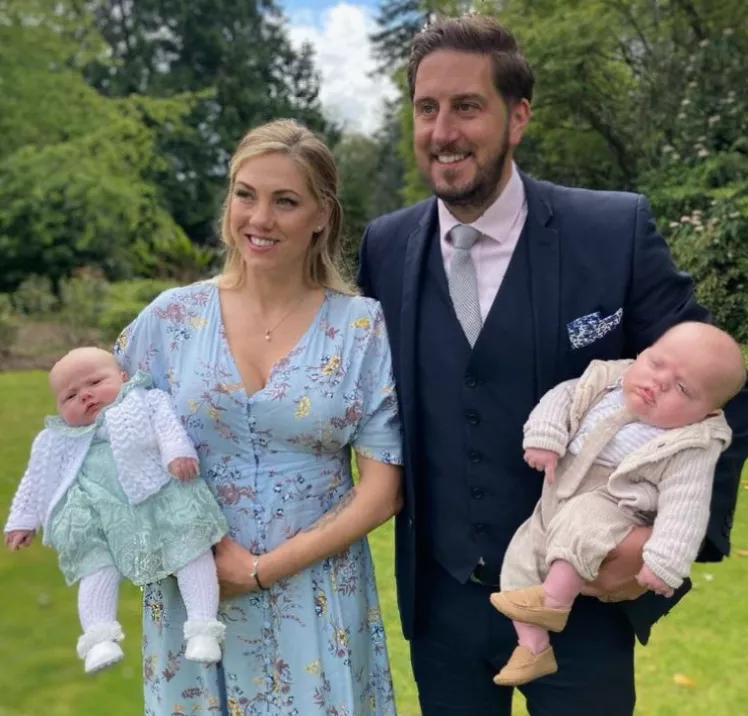
The couple have always been open with their children about their conception and now campaign to raise awareness of male infertility. Jenna, who works as a specialist teaching assistant, is blunt about the misconceptions people hold. “People still make comments like ‘Just relax and it will happen’. I have to point out my husband has no sperm.” She also stresses that genetics pale in comparison to the bond of parenting. “The bottom line is that genetics don’t really matter. Shaun is an incredible dad. It’s about the love you give and the upbringing you provide. There is much more to being a parent than genes.”
Azoospermia accounts for up to 15% of all male infertility cases. Wider research shows a 60% decline in sperm counts worldwide over the past 50 years and the number of infertile men has risen by 76.9% since 1990. In the UK, infertility affects roughly one in seven couples, with male factors contributing to about half. Experts, including Dr Diaz, point to lifestyle factors such as diet, smoking, stress, and age as significant contributors. Despite this, male infertility remains underdiagnosed, partly due to the enduring stigma that prevents men from seeking help.
Dr Diaz stressed that many men with fertility issues can still go on to have a family. Treatment options range from standard IVF and ICSI — where a single healthy sperm is injected into an egg — to using a sperm donor. For men not yet ready to start a family, sperm freezing offers a way to preserve future options. Shaun and Jenna’s story highlights the urgent need for greater awareness: that infertility is rarely just a woman’s problem, and that the silence surrounding male fertility exacts a heavy emotional toll.