


Frozen produce offers nutrient levels comparable to, and in some cases higher than, those found in fresh fruit and vegetables, according to research that challenges the assumption that fresh is always superior. Studies comparing the vitamin content of fresh and frozen varieties have found that the freezing process can lock in nutritional value, particularly when produce is harvested and frozen at peak ripeness. Dr Asiya Maula, a private GP at The Health Suites, said the findings should encourage shoppers to reconsider the frozen aisle.
Why frozen retains nutrients so well
The nutritional advantage of frozen produce stems from the timing of the harvest. Fruits and vegetables destined for freezing are typically picked at their peak ripeness, when concentrations of vitamins, minerals and antioxidant compounds are at their highest. They are then frozen rapidly, which helps to preserve these nutrients. By contrast, fresh produce can begin to lose nutrients immediately after harvest, particularly water-soluble vitamins such as vitamin C, which degrade over time. Research indicates that frozen produce can retain its nutrients for months, and in some cases outperform fresh produce that has been stored for several days in the fridge or on the shelf.
Dr Maula explained: “People often assume fresh is always best, but frozen foods can be incredibly nutritious and are a great way to make healthy choices more convenient. Many frozen fruits and vegetables are picked and frozen very quickly, helping to preserve nutrients.” She challenged the perception that frozen foods are inherently less nutritious because they undergo processing, pointing to frozen berries as an example of a product that retains much of its nutritional value due to harvesting and freezing at peak ripeness.
Under the NOVA classification system, plain frozen fruits, vegetables and other unadulterated frozen foods are considered minimally processed, placing them closer to fresh produce than to ultra-processed products such as sugary drinks. That distinction, nutrition experts say, means frozen and fresh are not nutritional opposites and can both play an important role in a healthy diet.
Cost savings and cutting food waste
Beyond nutrition, frozen foods offer practical advantages that can help people stick to a healthy eating plan. They are typically less expensive than fresh alternatives, especially for out-of-season items, and can significantly reduce household food waste. Ingredients that spoil quickly, such as leafy greens, are a common source of waste — but frozen versions have an extended shelf life that allows consumers to use only what they need and refreeze the rest. Research has found that frozen foods generate significantly less food waste in the home compared with ambient and chilled foods.
“Frozen foods can be incredibly nutritious and are a great way to make healthy choices more convenient,” Dr Maula said. She noted that having vegetables already prepared and ready to cook makes it easier to include them in a meal, reducing reliance on takeaways, ultra-processed convenience foods or whatever happens to be available in the cupboard.
Doctor’s top freezer staples
Dr Maula keeps a range of longevity-focused foods stocked in her freezer, and she recommends four key items for their nutritional value and convenience.
Frozen berries are rich in fibre and beneficial plant compounds known as polyphenols, which have been linked to a range of health benefits. “They’re easy to add to porridge, yoghurt or smoothies, and frozen varieties are often far more affordable than fresh,” Dr Maula said. Studies suggest that frozen berries retain their nutritional value and antioxidants, with some research indicating they may even have higher nutrient concentrations than fresh berries.
Frozen spinach is a nutrient-dense vegetable packed with vitamins A, C and K, as well as iron, folate and fibre, supporting blood health, digestive health, bone health and eye health. “Spinach contains a range of vitamins, minerals and antioxidants, and frozen spinach is incredibly versatile,” Dr Maula noted. “It can be added to soups, stews, curries, pasta sauces or omelettes with very little preparation.” Freezing preserves most of its nutrients, and the frozen version is often more convenient than fresh.
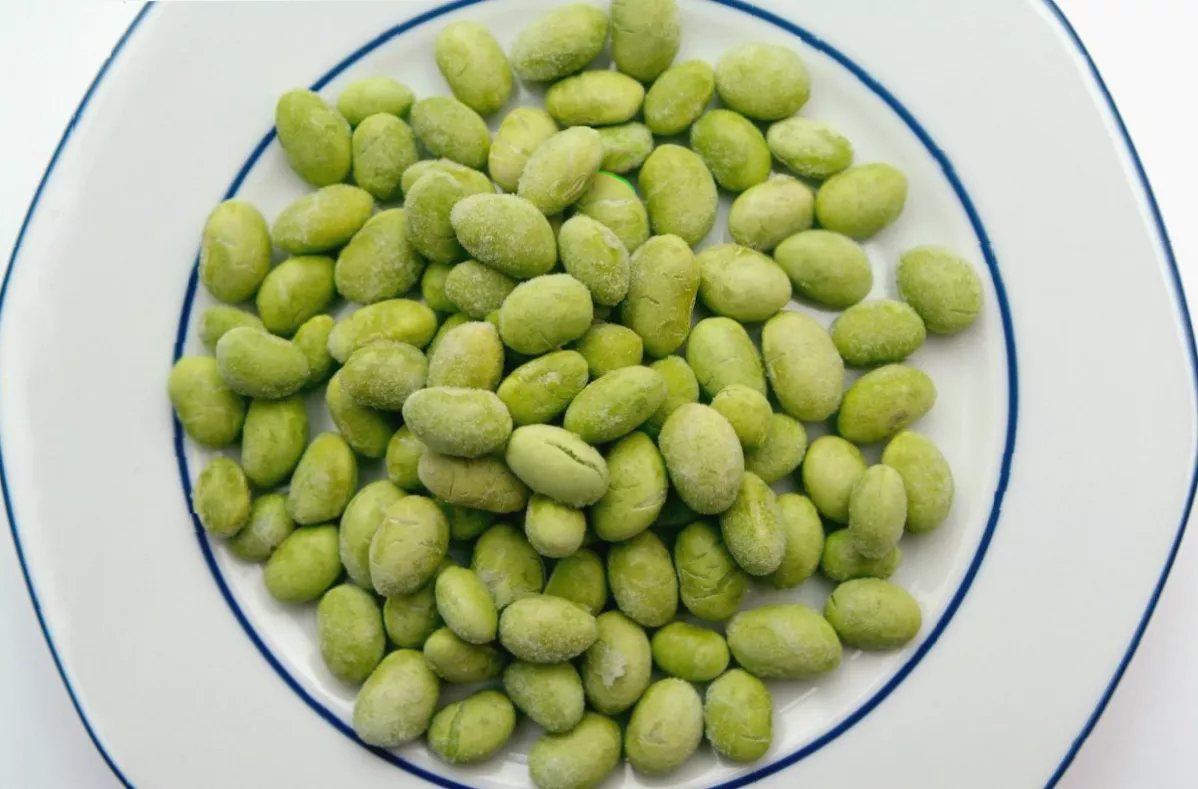
Frozen edamame is Dr Maula’s top longevity-supporting food, combining nutritional value with convenience. “Edamame provides plant-based protein and fibre, which can help support satiety and overall health,” she explained. It is also a good source of folate, vitamin K and manganese, and can be easily added to salads, stir-fries and grain bowls.
Oily fish, including salmon, is another freezer staple on her list. “Fish provides high-quality protein and important nutrients, including omega-3 fatty acids,” she said. Omega-3s are essential for brain development, heart health and reducing inflammation, and regular consumption can help protect against cardiovascular disease, diabetes and cognitive decline. “Keeping frozen portions on hand can make it easier to include fish in your diet regularly.”
Variety is important both for overall health and for supporting a diverse gut microbiome, Dr Maula added. “A well-stocked freezer can be a surprisingly effective part of that. Having vegetables already prepared and ready to cook makes it much easier to include them in a meal.” She concluded: “The healthiest diets are usually the ones people can stick to over the long term.” People often search for a single “superfood” or magic ingredient, she said, but healthy ageing is more often the result of small dietary habits practised consistently over time.