

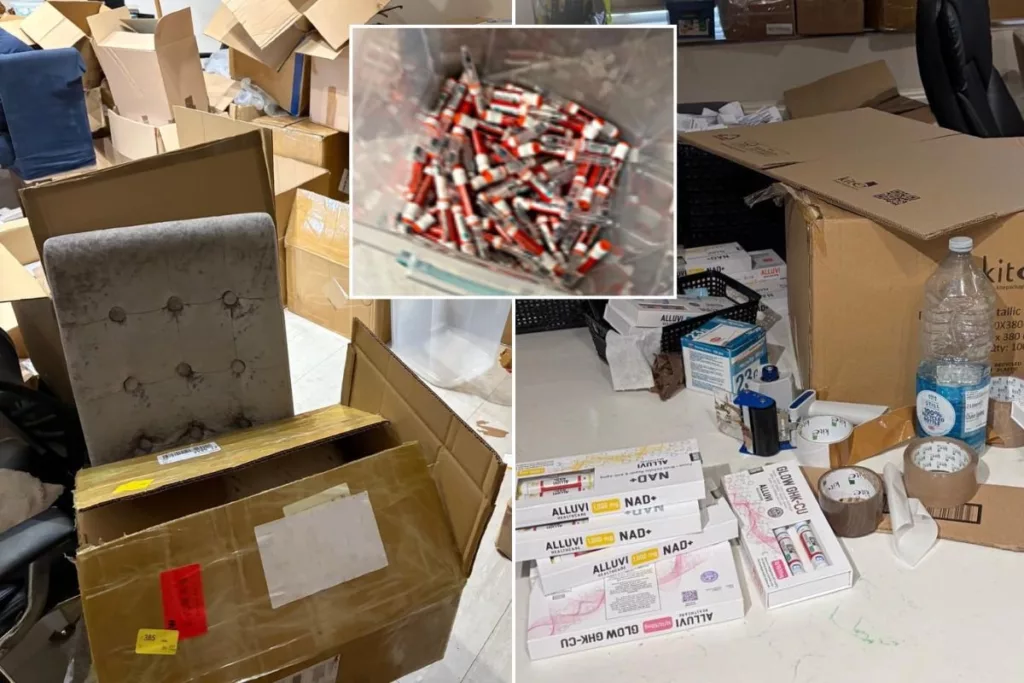
The Medicines and Healthcare products Regulatory Agency (MHRA) has seized approximately 12,000 doses of unlicensed weight loss medicines in its largest-ever operation of its kind, recovering the products from a country estate in Northamptonshire. Officers from the agency’s Criminal Enforcement Unit (CEU), supported by Northamptonshire Police, carried out the raid near Northampton on Thursday, 28 May 2026, dismantling what investigators believe was a large-scale facility for manufacturing, assembling and distributing unlicensed weight loss treatments.
Among the medicines allegedly produced at the site were retatrutide and tirzepatide, alongside various peptide substances. Retatrutide is still in clinical trials and is not legitimately available anywhere in the world through official channels. Tirzepatide, sold under the brand name Mounjaro when properly licensed, is legal only when prescribed and dispensed through regulated supply chains; its unlicensed manufacture and distribution are illegal. The MHRA has consistently warned that such products are untested, unauthorised and potentially deadly, posing significant risks to public health because their ingredients and dosages are unknown. In addition to the doses themselves, enforcement officers recovered substantial quantities of packaging materials and substances believed to be pharmaceutical compounds used in the illicit production process.
Arrests and Investigation
Two men, both aged 29, were arrested on suspicion of offences under the Human Medicines Regulations 2012 and remain under investigation. The property, a country estate near Northampton, is believed to have been used as a central hub for producing, assembling and distributing the unlicensed treatments. The suspects face potential charges that, on conviction on indictment, could lead to an unlimited fine, imprisonment for up to two years, or both. The Human Medicines Regulations 2012 govern the manufacture, importation, distribution, advertising, labelling, sale and supply of medicinal products for human use in the UK.
Ongoing Campaign Against Medicines Crime
Andy Morling, head of the MHRA’s Criminal Enforcement Unit, said the operation demonstrated the agency’s unwavering commitment to pursuing those who put public health at risk for profit. “Medicines regulation isn’t discretionary – it exists to protect people,” he said. “That’s why we continue to target the traffickers who seek to bypass that protection – taking down the infrastructure that supports them and creating a hostile environment for their exploitative and harmful trade.” He expressed confidence that shutting down this illicit production facility had prevented considerable harm to the public.
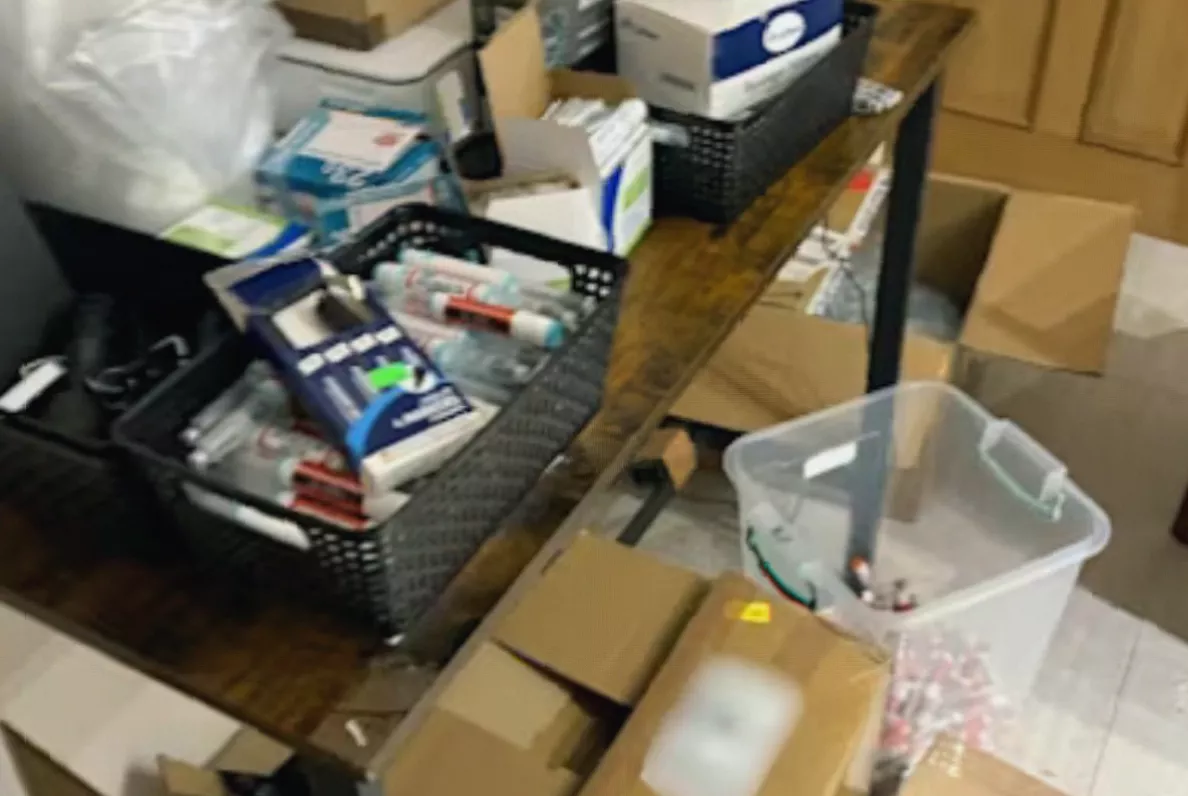
The raid is the latest in a sustained campaign by the MHRA against the illegal supply of weight loss medicines. In October 2025, the agency dismantled what it described as the UK’s first illicit weight loss medicine manufacturing facility in Northampton, which was believed at the time to be the largest single seizure of trafficked weight loss medicines globally. That operation, also supported by Northamptonshire Police, recovered tens of thousands of empty pens, raw chemical ingredients and more than 2,000 unlicensed retatrutide and tirzepatide pens. Wes Streeting, then Secretary of State for Health and Social Care, called it “a victory in the fight against the shameless criminals who are putting lives at risk by peddling dangerous and illegal weight loss jabs to make a quick buck”. In February 2026, the CEU raided two separate premises in Lincolnshire and Nottinghamshire as part of an ongoing investigation into an organised criminal network involved in the manufacture and sale of unlicensed weight loss medicines.
Over recent months the CEU, which employs intelligence analysis, online disruption, covert techniques and asset recovery in collaboration with police and international law enforcement, has conducted multiple operations breaking up criminal networks and removing significant quantities of potentially hazardous products from the market. The MHRA has pledged to continue deploying its full range of powers against those seeking to exploit public demand for these treatments. Members of the public seeking guidance on buying medicines safely online can consult the MHRA’s #FakeMeds website, which highlights warning signs such as unusual URLs, poor design, spelling errors, pop-up ads, exaggerated claims and the absence of a prescription requirement. Anyone who experiences suspected side effects should speak with their healthcare provider and report concerns through the MHRA Yellow Card scheme, a voluntary system established in 1964 following the thalidomide disaster.