

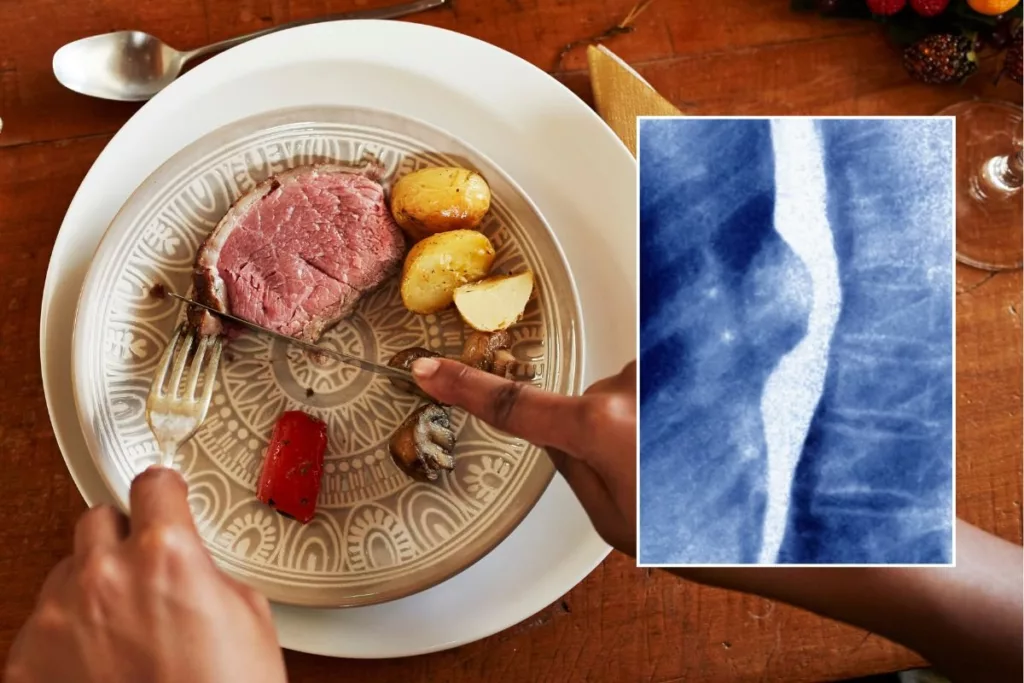
A major investigation spanning ten European nations has confirmed that consuming processed meat is linked to an elevated risk of developing stomach cancer and oesophageal adenocarcinoma. The findings, published in the International Journal of Cancer on 20 May 2026, draw on data from more than 450,000 participants, of whom approximately 71 per cent were women.
Led by Catalina Bonet from the Catalan Institute of Oncology’s Unit of Nutrition and Cancer, the study tracked participants for an average of 14.1 years. During that period, investigators documented 876 cases of gastric cancer and 215 cases of oesophageal adenocarcinoma.
Processed meat and cancer risk
The research revealed that consuming an additional 30 grams of processed meat daily — roughly equivalent to one rasher of bacon — was associated with a nine per cent higher risk of gastric cancer. For oesophageal adenocarcinoma, the same daily increase corresponded to a 13 per cent rise in risk. These associations remained statistically significant even after the researchers accounted for consumption of other meat varieties.
The link was particularly pronounced for intestinal-type gastric cancer, where a 30-gram daily increment in processed meat intake was tied to an 11 per cent greater likelihood of developing the disease. Processed meats examined in the study included ham, bacon, sausages, hamburgers, meatballs and pâtés.
White meat and gender-specific findings
The investigation also identified a notable association between white meat consumption and a specific subtype of stomach cancer in women. Participants who increased their white meat intake by 20 grams daily faced a 20 per cent heightened risk of non-cardia gastric cancer — a form of the disease that occurs in the lower portion of the stomach, away from the oesophageal junction. White meat examined included chicken, turkey, duck, goose and rabbit.
This finding diverged markedly from patterns observed in men, where no such correlation emerged. However, male participants who ate additional processed meat showed a ten per cent increased gastric cancer risk with the same 30-gram daily addition. The researchers noted significant statistical heterogeneity between risks for non-cardia and cardia gastric cancers, with formal analysis confirming the distinction.

Context and limitations
In the UK, stomach cancer risk factors are well documented. Helicobacter pylori infection is estimated to cause around 40 per cent of stomach cancers in Britain, with approximately 7.5 million people in England and Wales thought to have an active infection. The current study lacked information on participants’ H. pylori status, a known limitation acknowledged by the authors. Other established risk factors include smoking, alcohol consumption of three or more units daily, obesity (BMI of 30 or higher), and diets low in fresh fruit and vegetables or high in salt and processed meats. Stomach cancer is more common in men than women — a ratio of 1.8 to one in the UK — and incidence rises with age, with more than half of diagnoses occurring in people aged 75 and over.
For oesophageal adenocarcinoma, obesity and smoking are major contributors. Cancer Research UK advises that eating less processed and red meat can lower the risk of bowel cancer, and some studies have associated processed meat consumption with an increased risk of other malignancies including breast, colorectal and lung cancers.
The EPIC study, which provided the data, relied on food frequency questionnaires completed only at the outset of the research. This methodology presented constraints, as dietary habits were not tracked throughout the extended monitoring period. The study was funded by the International Agency for Research on Cancer and Imperial College London’s Department of Epidemiology and Biostatistics.
“Future studies should elucidate the underlying mechanisms and inform dietary guidelines to reduce cancer risk,” the authors wrote. The investigators reported no relevant conflicts of interest.