

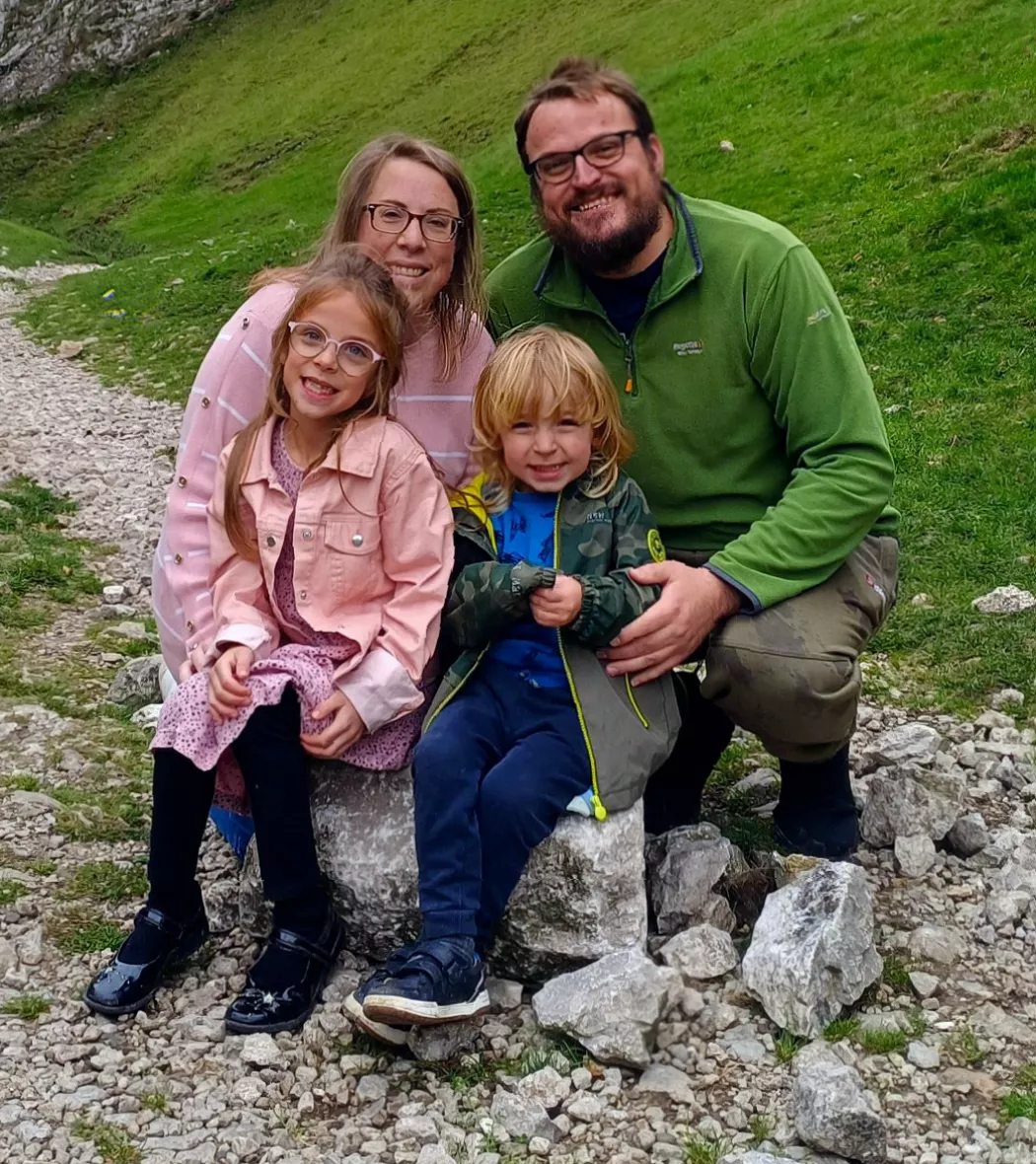
At seven years old, Sophia Pulfree-Blythe is a ball of energy, cartwheeling across the living room or scaling the climbing frame at the park. Her parents, Rachel and Ashley, know this boundless energy is something of a miracle. Diagnosed with juvenile idiopathic arthritis (JIA) at just two years old, Sophia has defied the odds to become the lively, active child she is today.
A life in motion
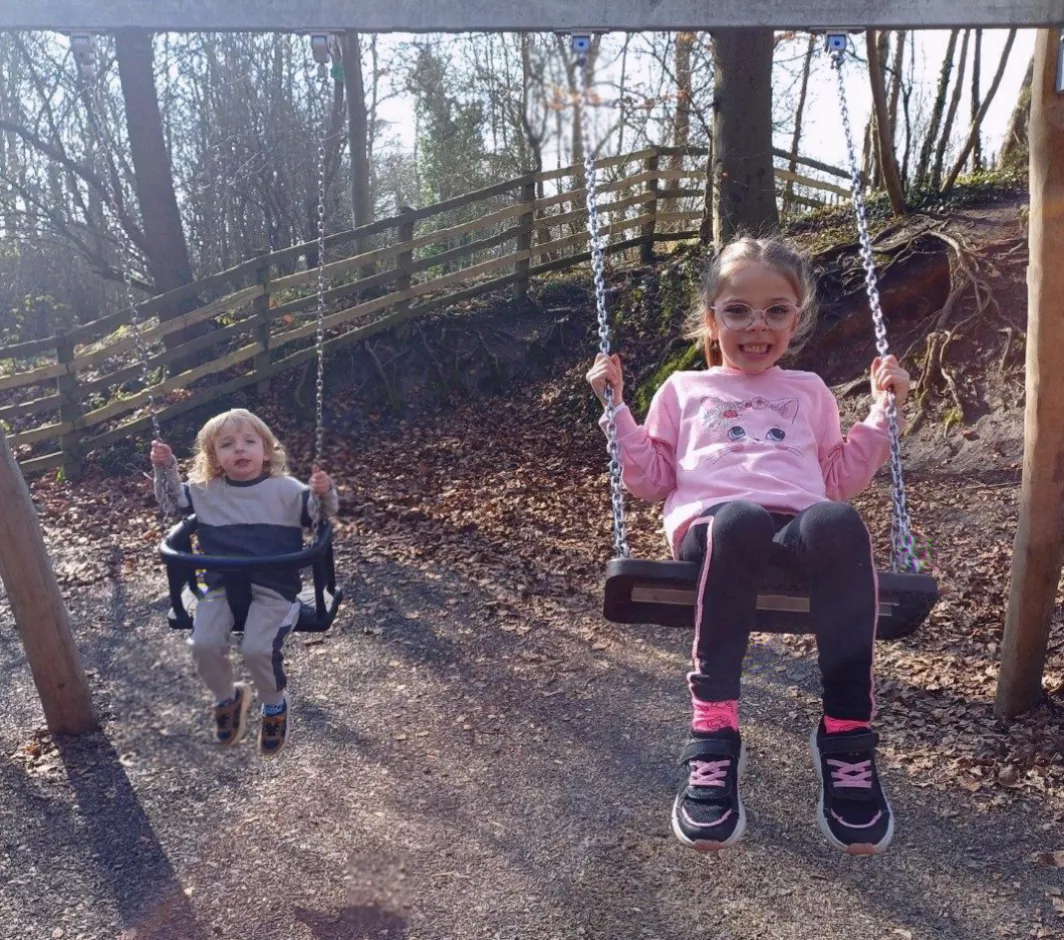
Sophia now takes swimming and tennis lessons, has taught herself handstands and cartwheels, and even came first in her school race on Sports Day two years running. She has learned to ride a bike, and her little brother Henry follows her everywhere. At school, she gives annual talks to her classmates about her condition. “She’s amazing,” says Rachel. “When I was her age, I would never do that.” Despite the challenges, Sophia makes new friends easily and is described by her mother as a kind, loving girl. The family are looking forward to a busy summer, with Sophia spending long days on the beach, paddling in the sea.
The moment everything changed
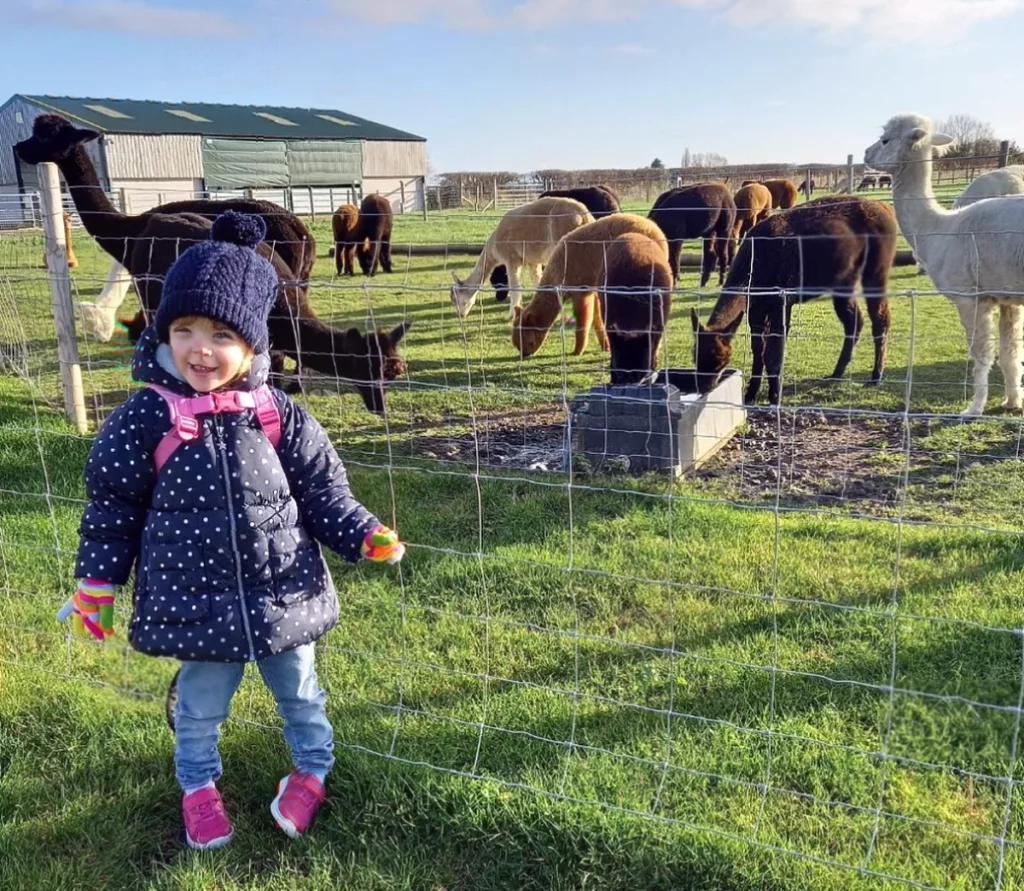
Sophia’s diagnosis came after a freak accident in November 2021. Rachel, then four months pregnant, took her daughter to an alpaca farm. Despite instructions not to touch the animals’ backsides, Sophia brushed against one and was kicked in the knee. “She instantly started crying,” Rachel recalls. Initially, a GP said she would be fine, but within days the knee became swollen and hot to the touch. A&E visits, X-rays, and observations failed to find broken bones, and Sophia was discharged. Back home, the pain worsened. “I remember her crawling along the floor on her hands and tummy,” says Rachel. “It was horrible…I was pregnant and I felt guilty because I couldn’t pick her up to help her.” Sophia’s father, Ashley, had to carry her around. It was only when Sophia’s grandmother noticed her eyes had become red and bloodshot that doctors agreed to further tests.
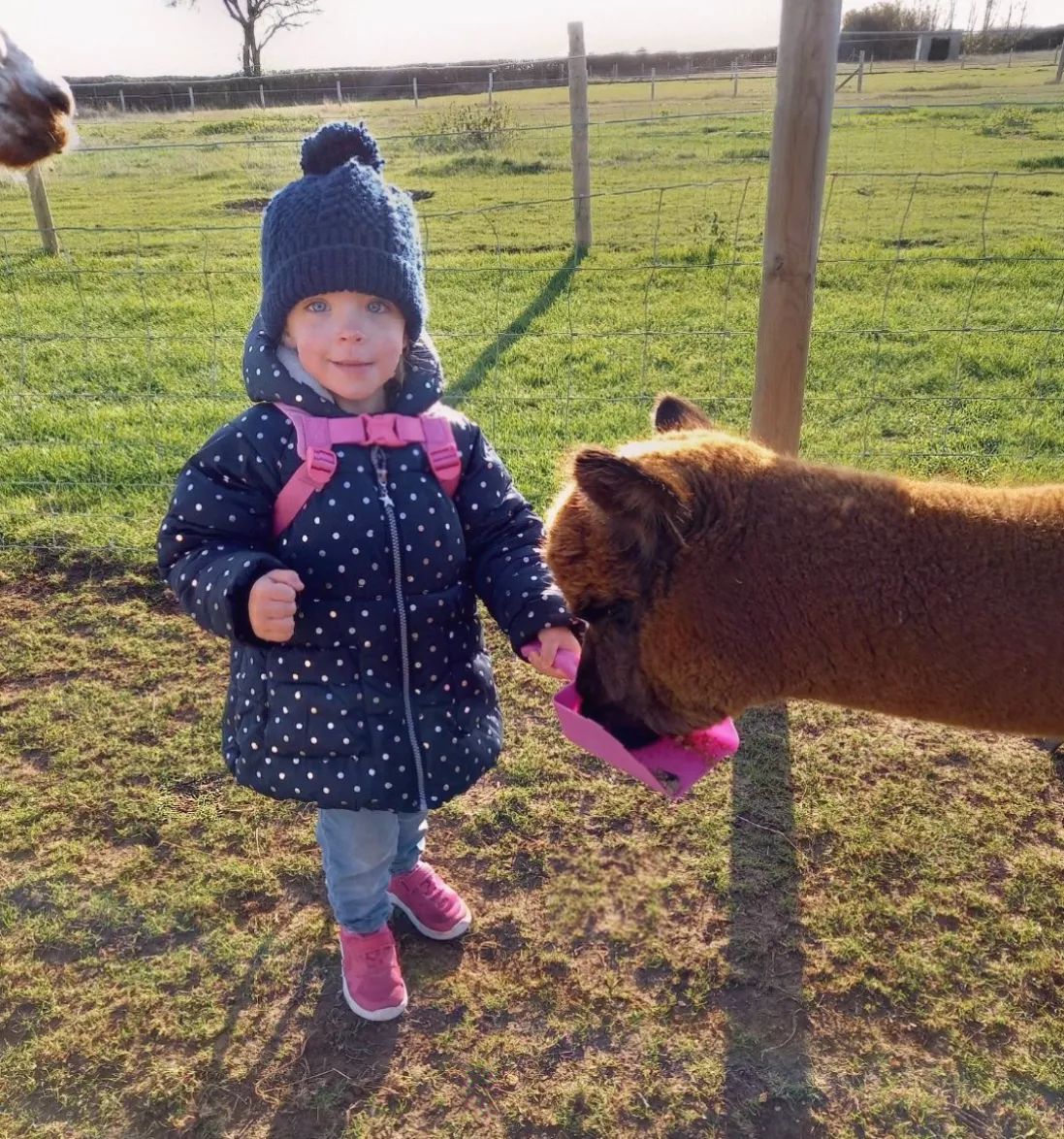
In January 2022, Rachel and Ashley received the news: their daughter had JIA, along with uveitis — an eye inflammation that can cause blindness if left unchecked. “Your three-year-old has arthritis. That’s not something you hear very often,” says Rachel. “I’ll always remember them saying there was a risk of blindness. I even rang them in tears a few days later, panicked.”
What is JIA? Understanding the symptoms and long-term impact
Juvenile idiopathic arthritis is a chronic autoimmune condition in which the body’s immune system attacks its own healthy cells and tissues, primarily affecting the joints. The term “idiopathic” means the exact cause is unknown, though it is believed to involve a combination of genetic predisposition and environmental triggers. JIA affects approximately 12,000 children and young people in the UK — about one in every 1,000 children under 16. It can begin from birth, though symptoms may not always be obvious, and it is distinct from adult arthritis. Around 50% of children may grow out of it, but for others it is lifelong, and there is no way to predict which path a child will take.
Symptoms vary but commonly include joint pain, swelling, and warmth; stiffness, particularly in the morning; fatigue; fevers; appetite loss; and reduced range of movement. Children may limp, struggle to hold objects like a pencil, or even regress to crawling after learning to walk. Uveitis, which affects 10–20% of children with JIA, is a significant complication. In children, this eye inflammation is often chronic and can be asymptomatic in its early stages — meaning no pain, redness, or vision changes until damage is done. Regular eye screening every three to four months is therefore crucial. If untreated, uveitis can lead to cataracts, glaucoma, maculopathy, and permanent blindness. The SYCAMORE clinical trial, funded by Arthritis UK, demonstrated the effectiveness of adalimumab combined with methotrexate for controlling uveitis in children with JIA, leading to updated access policies in England. The minimum annual incidence of childhood non-infectious uveitis in the UK was estimated at 1.89 per 100,000 between 2021 and 2023.
Long-term effects of JIA can extend beyond the joints. Bone and growth development may be affected. The condition can also cause joint damage, vision issues such as cataracts and glaucoma, and an increased risk of cardiovascular disease. Treatment relies on immunosuppressants to stop the immune system from attacking the joints, but these medications carry their own consequences. In Sophia’s case, steroids were injected into her knees and feet to reduce inflammation and pain, allowing her to walk again. “I was there when they put her under anaesthetic,” says Rachel. “That was traumatic for me. It’s something that you remember in your head for as long as you live.”
The family’s journey and future worries
Post-operation, Sophia took things slowly, but with physiotherapy and medication she soon returned to sports. She now wears trainers instead of school shoes because they are easier on her joints. She has built strong friendships with her nurses and doctors — the nurses give her stickers, and the hospital holds a Christmas party with games, crafting, raffles, and a surgeon dressed as Santa.
But the medical journey has taken a toll. Sophia now struggles with anxiety: she worries about whether taps are turned off and doors are locked, and she has difficulty sleeping at night. A play therapist visits every week. “She worries a lot,” says Rachel. “She likes to be close to me.”
Looking ahead, Rachel is concerned about the potential long-term implications of Sophia’s medication. Immunosuppressants may lead to fertility struggles in the future, and they increase the risk of preeclampsia, premature birth, or delayed fetal development if Sophia ever becomes pregnant. Hospital visits, flare-ups, and fatigue can also disrupt education, and the chronic nature of JIA means that even if Sophia goes into remission, a significant percentage of adults who had JIA as children still experience ongoing symptoms, require mobility aids, or have undergone joint replacements.
Rachel says the unknown remains the scariest part: “The doctors don’t always have the answers that you want to hear.” She and Ashley will never know for certain whether the alpaca kick triggered the condition or was simply coincidental. What they do know is that their daughter, despite everything, never gives up. “She’s a miracle,” Rachel says. “She makes new friends easily. She’s such a kind, loving girl.”