

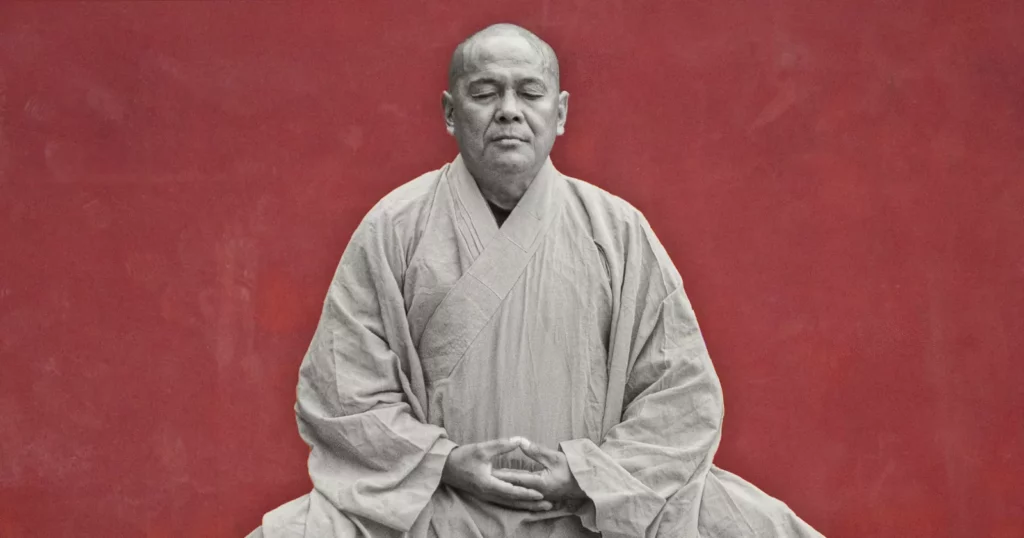
Generation Z is turning off the noise. Faced with an endless scroll of algorithmic content, addictive social media feeds and the constant ping of notifications, a growing number of teenagers and young adults are adopting what they call “Monk Mode” — a self-imposed, real-world “do not disturb” intended to block out the digital world and maximise productivity.
The phrase, which borrows from the principles of monastic isolation and restraint, has become entrenched among 14- to 20-year-olds as a way to hold themselves accountable in an age of relentless distraction. According to Shuab Gamote, a Gen Z researcher at Oxford University and co-author of Inside the Mind of a 16-year-old, younger Gen Zs — those he terms “Gen Z 2.0” — grew up with AI in the classroom and algorithmic social media they recognise as deliberately addictive. “It’s interesting they know how addictive it is and they’re having to self-police themselves in different ways,” he told The Rest is Politics: The Gen Z Story podcast. “A lot of young people told us about going ‘Monk Mode’. Especially among young men, it’s them realising they’re not focused enough.”
From monastic roots to manosphere mantra
The concept of extended solitude and discipline is not new. People have been searching for the term “Monk Mode” online since at least 2004, but it was popularised in 2020 by Jay Shetty’s book How to Think Like a Monk. The trend then exploded on TikTok in 2023, largely driven by male influencers who framed it as a tool for self-optimisation. Today, it is firmly rooted in the “manosphere” — a constellation of online communities that promote a rigid, aggressive vision of masculinity tied to financial success, discipline and self-improvement, often with misogynistic undertones.
Iman Ghadzi, a manosphere influencer on TikTok, has produced multiple videos on his own strict Monk Mode protocol, each attracting roughly half a million views. “Monk Mode would be the equivalent of Bruce Wayne escaping Gotham and leaving behind all the noise, all the gossip, all the chatter, all the distractions,” he said in one video. “In your case the noise might be weed, women, alcohol, porn, video games – and you’re going to cut out all that crap for the next 90 days.” His regime typically involves no alcohol or cannabis, daily exercise and meditation, and a total withdrawal from social interactions — including friends and family — for a set period. Other creators share meticulously timed daily schedules that allow no room for socialising, with commenters echoing the belief that “success requires isolation and pain.”
The psychological toll on an already lonely generation
This emphasis on self-imposed isolation raises urgent concerns, particularly when set against official data on youth loneliness. The Office for National Statistics has identified Gen Z as the loneliest age group in Britain, with a study showing that 33% of people aged 16 to 29 said they felt lonely “often, always or some of the time.”
Hannah Jackson-McCamley, a UKCP-registered psychotherapist, warned that Monk Mode can be harmful for young men who are already vulnerable. “This period of self-imposed isolation from what the Manosphere describes as ‘external distractions’ can include friends and family, social media, dating, and the news,” she said. “They believe withdrawal creates a cocoon away from outside interference, allowing them concentrate on self improvement and achievement. In reality, it drives already lonely and socially isolated young men to retreat further into themselves where fulfilling connections and healthy, social support would bring them closer to a more fulfilling life.”
Jackson-McCamley added that the trend encourages avoidant behaviour rather than addressing the underlying issues. “Ironically, Monk Mode ideas are widely proliferated through social media. It encourages avoidant behaviour rather than facing up to what might actually be getting in the way of your idea of ‘success’.” She cautioned that anyone drawn to extreme isolation risks long-term difficulties with social interaction and community, particularly if they come to believe that discipline alone is the only path to their goals.

A structured routine with hidden risks
Not all experts dismiss the trend outright. Eloise Skinner, a psychotherapist who spent a year living at a monastery in central London in 2018, acknowledged that the time-stamped discipline of Monk Mode has some grounding in genuine monastic practice. In a monastery, she explained, days consisted of morning prayer, study, volunteer work, lunch, afternoon study and evening prayer. “This timetable can sound a little restrictive (or perhaps boring!), but it was refreshing to settle into a firm routine. It gave each day a shape, a sense of rhythm or continuity to the days that modern life can sometimes lack.” She also noted the value of extended silence, which initially felt uncomfortable but became a tool for focused attention.
Skinner believes young people are using Monk Mode as a counterbalance to a world of constant connectivity. “On the benefits side, it could provide an opportunity for young people to connect with themselves, practice present-moment awareness, slow down the pace of life, and live in a more thoughtful or intentional way,” she said. But she also identified a significant downside. “On the risks side, it could foster a feeling that only your inner experience matters.”
Both psychotherapists agreed that a complete withdrawal from the world is not the answer. However, they also concurred that taking time away from doomscrolling, social media and binge-watching reality TV can be beneficial. “Certain aspects of Monk Mode might inspire such reflection like limiting social media use, alcohol use, eating healthily and integrating exercise into your life,” Jackson-McCamley said. “However, anything that actively encourages withdrawal from the world is limiting.”
Some practitioners use digital tools to enforce their isolation, turning to apps such as Freedom, FocusMe and Cold Turkey to block distracting websites and notifications. Yet experts warn that the modern commercialised version of Monk Mode strips monastic practices of their spiritual and ethical core — historical monks sought enlightenment or salvation, not productivity or career success — and risks promoting burnout through overly intense periods of self-denial.
The trend’s deep roots in the manosphere also raise flags. As Shuab Gamote noted, young men in particular use the term “Monk Mode” because it is a manosphere term — and the same online spaces that promote it often expose users to misogynistic ideologies and echo chambers of “masculine energy.” For a generation already battling loneliness, the promise of isolation as a path to success may prove counterproductive, driving them further from the human connections that genuine well-being requires.