

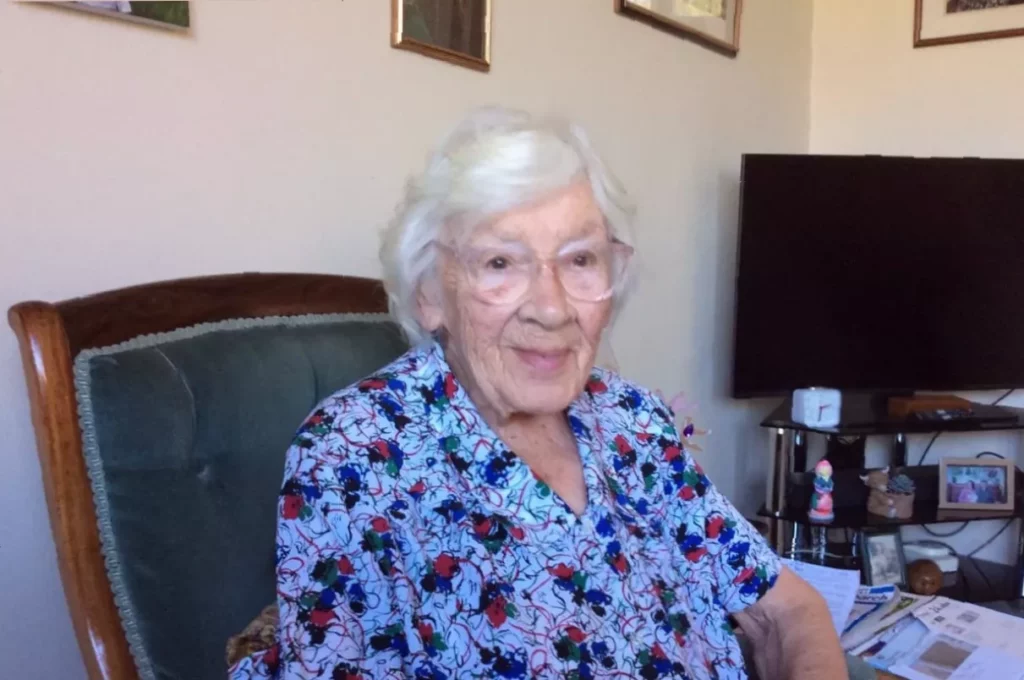
A pioneering treatment offers new hope for patients with inoperable liver tumours, after a 92-year-old great-grandmother became the first person in the UK to receive robotic-guided electrochemotherapy for a tumour that had been deemed untreatable by conventional methods.
The approach combines a small dose of chemotherapy with targeted electrical pulses, delivered with unprecedented precision through robotic needle guidance. Unlike thermal ablation techniques, it does not use heat, making it safe for tumours located near vital structures such as blood vessels and bile ducts. This allows doctors to treat cancers in complex or hard-to-reach areas of the liver where surgery, radiotherapy or standard chemotherapy would be too risky.
Professor Tze Min Wah, research and innovation lead for the interventional oncology programme at Leeds Teaching Hospitals NHS Trust and professor of interventional radiology at the University of Leeds, saw the case of Brenda Iveson and realised the pioneering treatment could offer hope to her and her family. Mrs Iveson, from Harrogate, had been diagnosed with a six-centimetre liver tumour in late 2025 and was told that surgery, chemotherapy and radiotherapy were unsuitable due to the tumour’s location and her frailty.
Under general anaesthetic, surgeons used the Epione robotic guidance system — a technology that Leeds Teaching Hospitals was the first trust outside London to adopt for minimally invasive liver and kidney cancer treatment — to position needles with high accuracy around the tumour. This marked the first time electrochemotherapy had been delivered with robotic guidance in a liver in the UK.
Following the procedure, Mrs Iveson’s tumour has shrunk by approximately 80 per cent. She has reported feeling “very well” and said the treatment “wasn’t painful or debilitating”. Her case was part of a European research study assessing the safety and efficacy of liver cancer electrochemotherapy, overseen by Leeds Teaching Hospitals, a national and supra-regional centre for interventional oncology with one of the largest programmes of its kind in the UK.
Professor Wah has led the clinical and research programme in interventional oncology at Leeds Teaching Hospitals since 2004 and is a leading expert in image-guided cancer treatment. The trust has a track record of world-first procedures, including the non-invasive histotripsy treatment for a kidney tumour, and is actively fostering innovation through initiatives such as the Health Innovation Leeds Incubator and the Innovation Pop Up, aimed at accelerating the development and adoption of new technologies in patient care.
Interventional oncology is a rapidly expanding field considered a fourth pillar of cancer care, alongside medical, surgical and radiation oncology. Techniques include tumour ablation using heat, cold or electrical energy, vascular interventions and image-guided pain management. Several UK centres are active in this area, including University College London Hospital, University Hospitals Coventry & Warwickshire and Spire Healthcare, while the Leading Interventional Oncology Network (LION) connects specialists across the country.
Other innovations under exploration include experimental mRNA therapies for cancers such as melanoma and lung cancer, and the establishment of an AI Lab at Leeds Teaching Hospitals to develop tools for predicting cancer recurrence. GenesisCare is also building a new private cancer treatment centre in Leeds, set to open in December 2026, offering advanced radiotherapy and other therapies.