

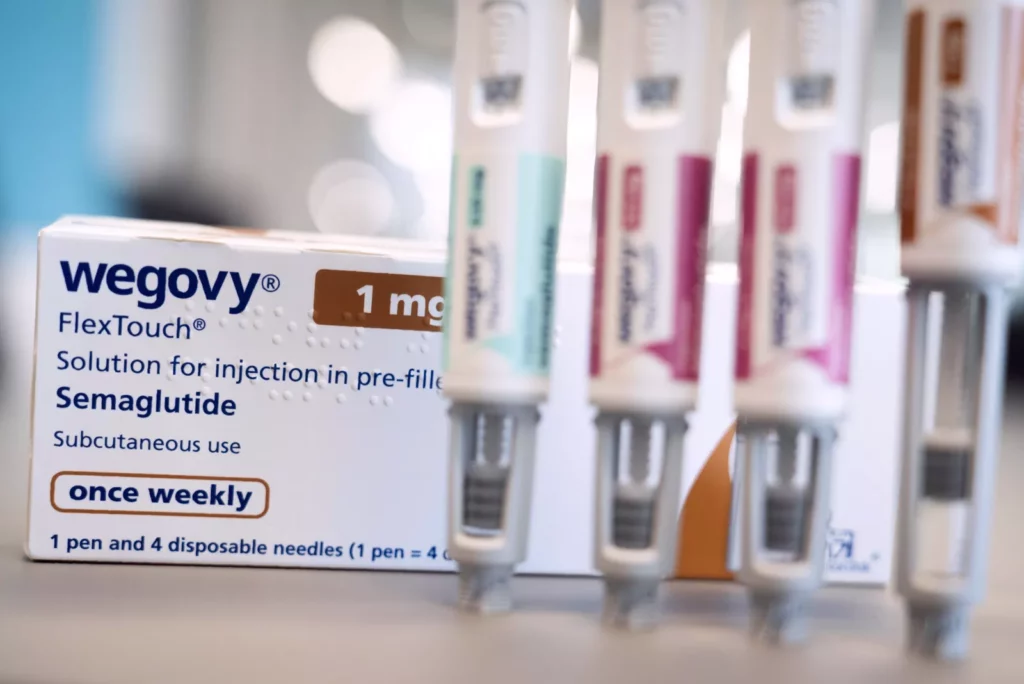
Black market obesity jabs have been linked to deaths, MPs have warned, as health officials faced urgent questions over the failure to curb illicit sales of the powerful drugs. The stark warning came during a heated session of the Health and Social Care Committee, where members demanded action from both the Department of Health and NHS England.
MPs issue stark warning
Conservative MP Gregory Stafford directly challenged health officials over whether current restrictions on NHS access to weight-loss injections were creating a patient safety risk. He cited evidence that the barriers were driving patients towards “unregulated and potentially unsafe sources.”
Committee chairwoman Layla Moran delivered a harrowing account of the human cost. She told the hearing: “I’ve met with families whose loved ones have tragically passed away because they did access on the black market, they then got sepsis and died, and the coroner report is still ongoing. But the concern is it was the injection itself and its administration that caused the death, they don’t feel that the MHRA are on top of it, and I’m not sure that they will have heard today’s evidence and felt that you guys are either, and I really hope, minister, that when you go away and look at this that you bear in mind the fact people have already died as a result of this, and there is a chance that this could get worse.”
The official figures paint a grim picture. The Medicines and Healthcare products Regulatory Agency’s Yellow Card system had recorded 168 deaths potentially linked to weight-loss injections as of February 22, 2026 – up from 106 deaths reported by June 24 of the previous year. That rate amounts to nearly two deaths a week. The drugs implicated include tirzepatide (marketed as Mounjaro and Zepbound), semaglutide (Wegovy, Ozempic, Rybelsus), and liraglutide (Saxenda). One death was linked to Retatrutide, a drug not approved for use in the UK and likely obtained on the black market.
The first registered death in the UK mentioning weight-loss drugs is believed to be that of Susan McGowan in September 2024. She died after taking two low-dose injections of Mounjaro over two weeks, with her death certificate listing multiple organ failure, septic shock, and pancreatitis, with “the use of tirzepatide” as a contributing factor. In Northern Ireland, two deaths were reported to the MHRA over a two-year period among more than 500 suspected adverse drug reaction reports related to GLP-1 medications – involving a man and a woman, one in their forties and the other in their sixties.
Minister admits access limits are a driver
Public health minister Sharon Hodgson conceded that the restricted availability of weight-loss drugs on the NHS may be pushing people towards dangerous alternatives. “I recognise that it will be a driver to people seeking those drugs elsewhere, and obviously the strong advice would be that they use registered pharmacies – whether community pharmacy or online. But obviously the wider point you’re making is not lost on us, and again it comes down to the cost pressures,” she said.
Hodgson stressed the need for the nation to go “further and faster” in rolling out obesity drugs, acknowledging that current treatment numbers “doesn’t sound very good.” She affirmed: “We’ve got to do it at pace,” adding that a new single patient record would help identify eligible individuals.
NHS access to weight-loss injections is tightly controlled. Eligibility typically requires a BMI of 35 or above, or 30 or above with at least one weight-related condition such as type 2 diabetes, high blood pressure, high cholesterol, heart disease, or obstructive sleep apnea. For some drugs like Wegovy, a referral to a specialist weight management clinician is necessary. There is also a “postcode lottery” in access depending on where patients live. While some medications like liraglutide and orlistat are free on the NHS (subject to prescription charges), Mounjaro can cost the NHS £122 per month per user. Private prescriptions are far more expensive – Mounjaro prices have risen from £200 to £310 per pen, with some pharmacists quoting £540, while Wegovy privately ranges from £125 to £299 per month.
In a separate revelation, Ms Hodgson shared a personal experience of weight stigma in healthcare, recounting how a GP once called her “fat” as a “shock tactic” during a blood pressure consultation. She described leaving “crestfallen” after the encounter, highlighting the stigma faced by those who are overweight or obese. Research confirms that weight stigma is prevalent in healthcare settings and acts as a barrier to accessing services, with healthcare professionals sometimes holding stigmatising attitudes that can lead to psychological distress and avoidance of medical care.
The deadly risks of black market jabs
The scale of the illicit trade in weight-loss drugs is alarming. While most weight-loss jabs are prescribed privately, studies suggest up to 40% are bought online without a prescription, and others are obtained from family and friends. The MHRA’s Criminal Enforcement Unit seized over 5,000 illegally traded GLP-1 products in 2025 alone. It also dismantled an illicit manufacturing facility in Northampton and disrupted over 1,500 websites and social media accounts illegally selling medical products. In total, the MHRA seized nearly 20 million doses of illegally traded medicines in 2025, valued at almost £45 million.
Professor Aidan Fowler, national director of patient safety for NHS England, informed MPs that discussions with the MHRA frequently address risks around medicine safety, including black market issues, drawing parallels with cosmetic surgery. The profit margins from black market sales of medicines can rival those of cocaine and heroin, and there has been a “blurring of the edges between a medicine and a cosmetic” that has contributed to the risk.
The dangers are stark. Unauthorised medicines have not been assessed for safety, effectiveness, or quality by the MHRA. They may contain incorrect dosages or harmful ingredients. In one case, counterfeit products included dangerous insulin-filled pens. Criminals are selling unlabelled weight-loss drugs via social media and beauty salons. Karen McGonigal, 53, died after allegedly receiving an illegal semaglutide injection from a beautician. She had been unable to get the drug on the NHS due to strict eligibility criteria.
The MHRA continues to warn patients to only take weight-loss jabs under the supervision of a qualified health professional. The Advertising Standards Authority has banned ads by companies promoting prescription-only weight-loss medicines on social media, citing concerns about exploiting insecurities and perpetuating harmful stereotypes. The Joint Council for Cosmetic Practice urges medical oversight for weight-loss injections and warns of severe health risks from unlicensed treatments. The Association for the Study of Obesity has submitted evidence to the Health and Social Care Committee, calling for a national framework and investment in weight management services, and stressing the importance of tackling weight stigma.
The Health and Social Care Committee has launched an inquiry into food and weight management, examining the challenges and opportunities presented by weight-loss medications. Its chair, Layla Moran, has also questioned the Secretary of State for Health and Social Care on steps being taken to ensure Integrated Care Systems provide a range of weight management services. Meanwhile, Eli Lilly, the maker of Mounjaro, is in talks with the UK government about increasing NHS drug prices in return for further investment in the UK.