

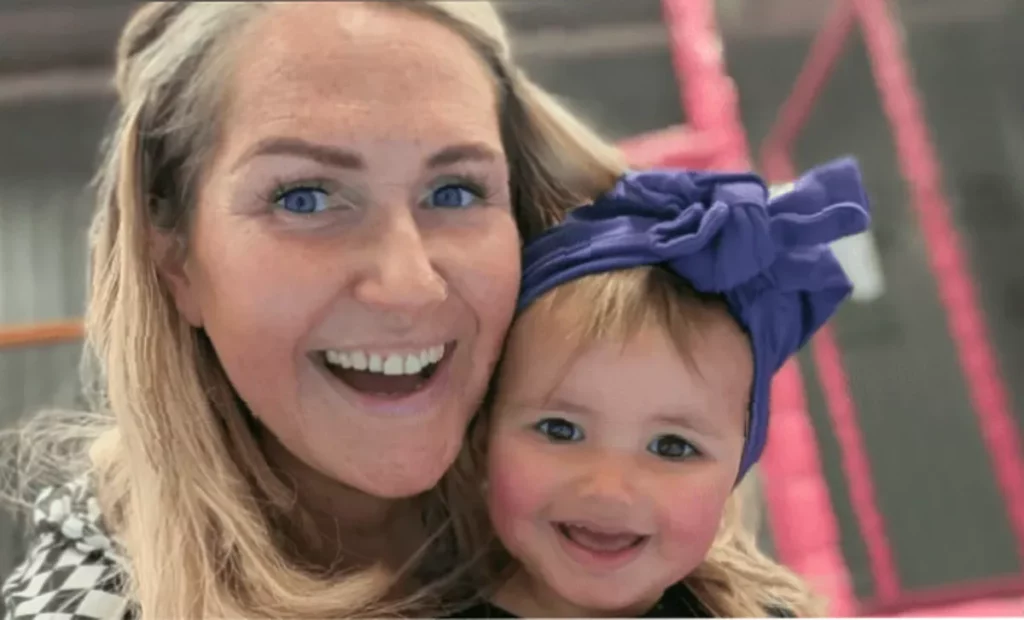
Kirsty Brunt was 18 weeks pregnant with her third child when doctors told her she had an aggressive form of breast cancer. The 42-year-old mental health social worker from Lancashire had noticed a lump while breastfeeding her two-year-old daughter Stevie, but initially put it down to a blocked milk duct or changes caused by pregnancy. It took her six weeks to see her GP. Within weeks, she received a diagnosis that turned what should have been a joyful pregnancy into a battle for survival.
Diagnosis and treatment during pregnancy
Kirsty was diagnosed with invasive lobular breast cancer that was HER2-positive and hormone receptor-positive. This meant the cancer cells were fuelled by hormones such as oestrogen and progesterone, which are naturally elevated during pregnancy. The combination of a fast-growing, aggressive cancer and high hormone levels created what doctors described as an urgent situation. “The longer I was pregnant, the better it was for my baby, but the worse it was for me,” Kirsty said.
Because HER2-positive cancers tend to grow and spread more quickly than other types, and because pregnancy hormones could accelerate that growth, treatment could not wait. Kirsty began chemotherapy at 27 weeks pregnant in July 2023. Medical guidance indicates that chemotherapy is generally considered safe for the baby when administered in the second or third trimester, but anti-HER2 therapies are contraindicated during pregnancy due to risks to the fetus.
“I was absolutely terrified at the thought of having treatment while pregnant,” Kirsty said. “My main concern throughout was my unborn child. But I also had to consider the bigger picture. If I didn’t have treatment my child might not have a mother for very long.” She described the surreal experience of sitting on a chemotherapy unit with her bump, struggling to separate the exhaustion of pregnancy from the side effects of treatment. Her husband Joe, 37, provided calm reassurance throughout.
In the UK, approximately two people per day are diagnosed with cancer during or shortly after pregnancy. Breast cancer is the most common cancer diagnosed in pregnant women.
Birth and the newborn period
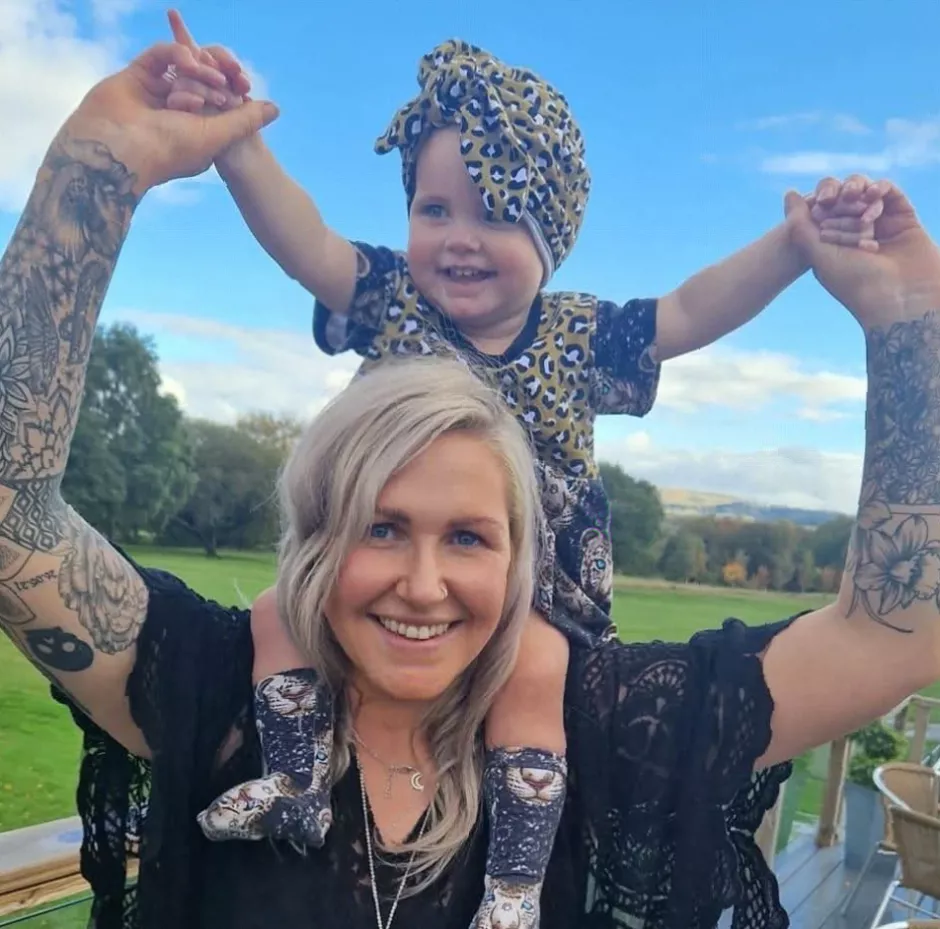
The medical team aimed for Kirsty to reach 35 weeks of pregnancy to give baby Phoenix’s lungs enough time to develop. She was delivered via caesarean section at 36 weeks in September 2023. Phoenix spent about 28 hours in neonatal intensive care and needed some help with her breathing at first, but has been healthy ever since.
“I was so anxious about carrying and delivering her safely. When I met her, I just couldn’t believe we’d made it this far,” Kirsty said. She resumed chemotherapy only a few weeks after giving birth, completing her final session in December 2023.
The newborn stage was made far harder by the fact that Kirsty could not breastfeed due to her treatment. “I was dealing with sleepless nights, feeding, nappies, hormones, and all the usual demands of a new baby, while also attending hospital appointments and coping with treatment side effects,” she said. “One of the hardest parts emotionally was feeling that cancer had stolen what should have been a precious time. Instead of enjoying maternity leave, I was navigating treatment schedules, surgery plans and uncertainty about the future.”
In January 2024, Kirsty underwent a lumpectomy and had 25 lymph nodes removed. All 25 contained cancer.
Recurrence and the fight for more time
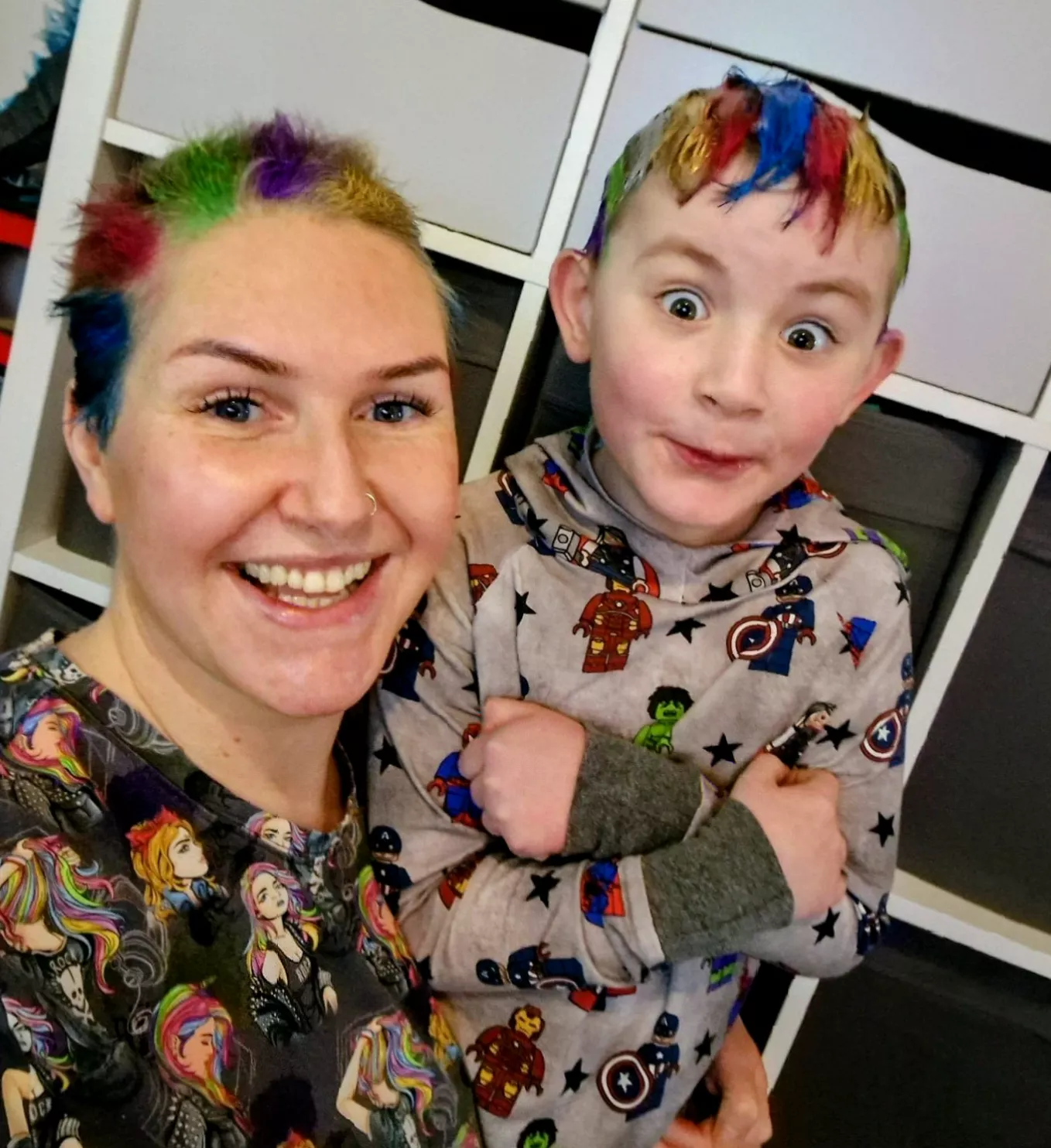
Initial scans after Phoenix’s birth suggested Kirsty had responded well to treatment. But further scans in March 2024 revealed devastating news: the cancer had spread to her bones, including her spine and sternum. She was diagnosed with incurable stage 4 metastatic breast cancer.
In May 2024 she had 20 sessions of radiotherapy targeting her right breast and surrounding lymph nodes. Since then, the cancer has progressed and mutated into a more aggressive form, which carries a higher risk of spreading to the brain. Kirsty is now on oral chemotherapy and hormone therapy designed to induce menopause and lower her oestrogen levels — a standard approach for hormone-sensitive tumours after childbirth, but one that is avoided during pregnancy.
Kirsty also discovered that she carries the BRCA2 gene mutation, which means each of her three children — Stevie, Phoenix, and seven-year-old Stanley — has a 50 percent chance of inheriting it.
She is now fundraising to explore treatments not currently available on the NHS, including cancer vaccines in India and Germany. One vaccine alone costs £35,000. Her GoFundMe page has raised £37,129 towards a £50,000 goal. “Even double the fundraising goal wouldn’t cover everything,” she said. “Ultimately, although there are no guarantees, it would mean more time with my husband and children.”
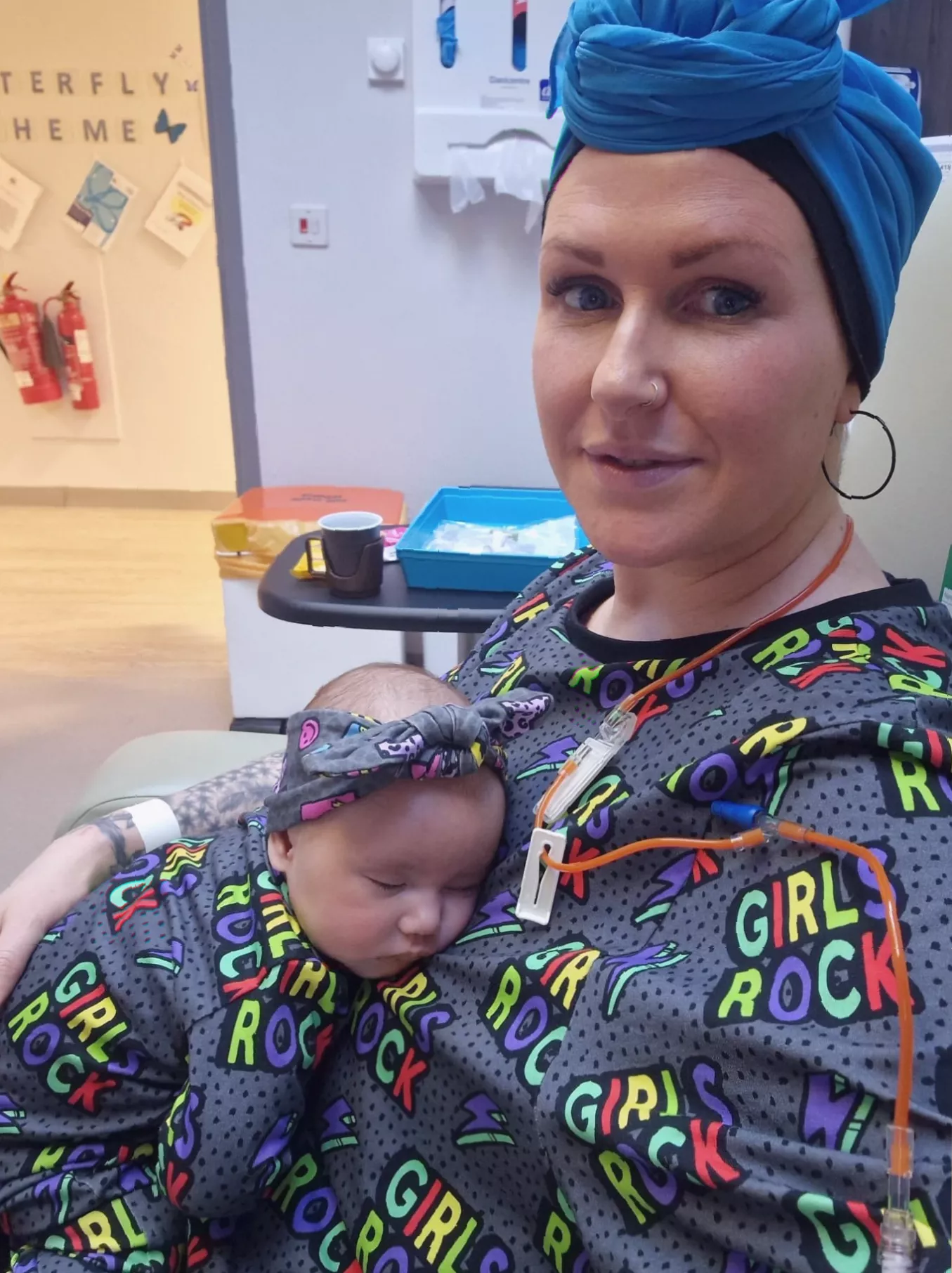
Kirsty has found support through an Instagram page she created, @mummyvscancer, and a WhatsApp group for mothers with young children who have cancer, which she calls “the sh*tty t*tties”. “We speak every day and I literally could not do this without them,” she said. “It’s really sad but also kind of beautiful. I laugh every single day.” She has also received complementary therapy at East Lancashire Hospice, a place that holds personal significance because her step-dad received care there.
Despite the physical and emotional toll, Kirsty said she has to keep going for her children. “I remind myself I am a mother before I’m a cancer patient. Having three young children while battling my own treatment-related fatigue and side effects is difficult. I have to keep being fun mum when actually I feel like I have the weight of the world on my shoulders.” She urged pregnant and breastfeeding women not to dismiss unusual breast changes. “A cancer diagnosis is not always a death sentence,” she said. “Early diagnosis saves lives.”
Kirsty is no longer working, adding financial strain to the family. “Nobody will ever be able to say that I gave up,” she said. “I can’t just take this lying down, and need to know that I’ve done everything I possibly can.”