

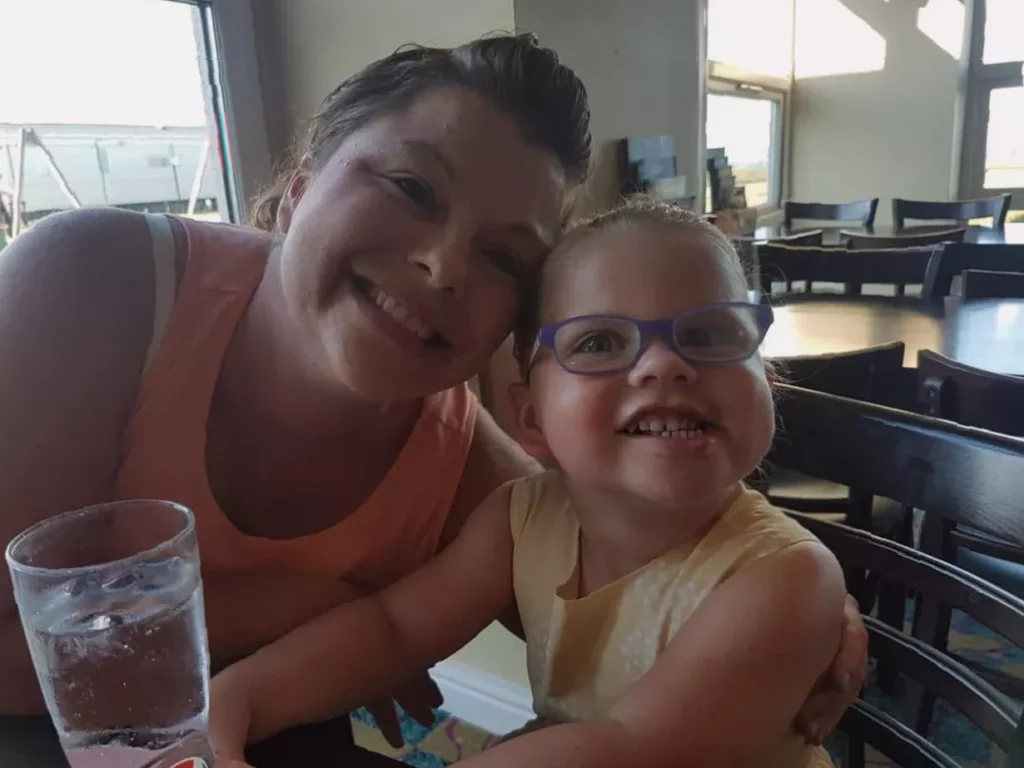
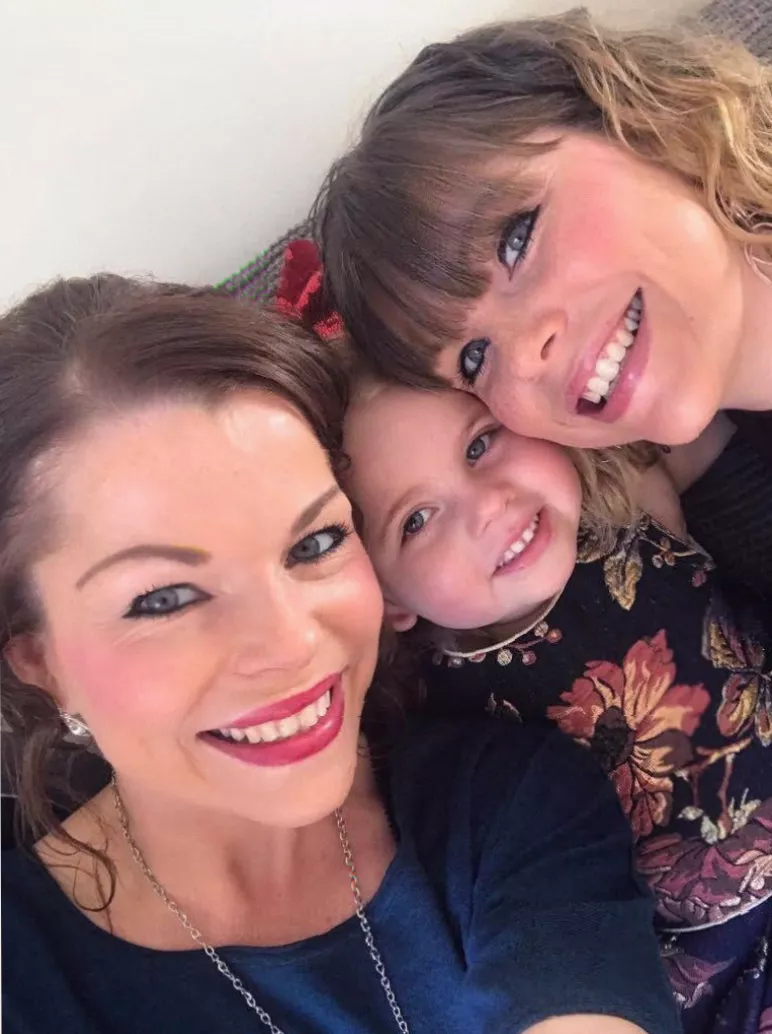
At 2pm one afternoon in February 2019, Leanne Williamson spoke on the phone to her twin sister, Jemma. By 8pm that evening, Jemma was dead. The 33-year-old mother of one had collapsed at her home in Bathgate, Scotland, and was discovered on the floor by her boyfriend and her father. The cause only became clear after a post-mortem examination: an aggressive, undiagnosed meningioma tumour wrapped around her spinal cord had triggered a fatal seizure.
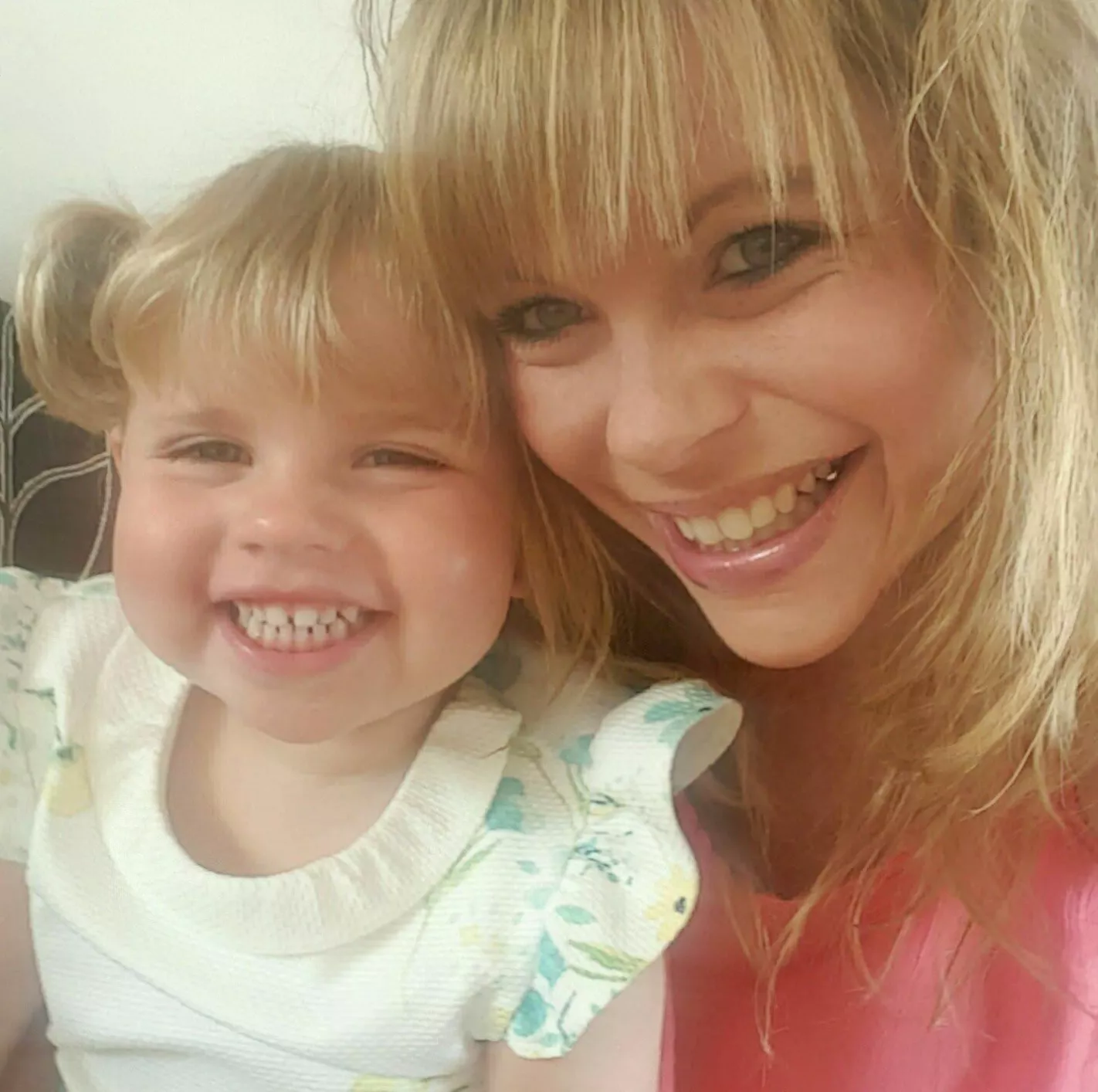
Jemma was a nurse, a mother to five-year-old Rosealeen, and, in Leanne’s words, “bubbly, funny and always making people laugh with her quirky comments. She genuinely once argued that ducks had four legs and that cheese was a fruit.” The sisters were exceptionally close, speaking nearly every day, meeting for coffee and running together. “Losing that connection overnight was devastating,” Leanne said.
Missed symptoms
In the months before her death, Jemma had complained of back pain, headaches and a dramatic, unexplained weight gain. She went from 10.5 stone to 14 stone in six months, moving from a size 12 to a size 20. This was out of character for a woman who, after giving birth to Rosealeen, had become so active she trained for a half marathon. “Jemma was worried and so were all of us,” Leanne recalled. “I even went to the doctors with her to try and push for answers, but it felt like we were hitting a brick wall.”
The GP dismissed the symptoms as “normal” and prescribed painkillers. Yet medical research has shown that certain brain tumours, particularly those affecting the hypothalamus and pituitary gland, can cause significant weight gain through hormonal imbalances that disrupt appetite and metabolism. Studies indicate that up to 50% of brain tumour patients experience notable weight changes depending on the tumour’s type and location. In Jemma’s case, the tumour was a fast-growing meningioma — a type that is often benign but can become life-threatening when it presses on the spinal cord.
Grief and fundraising
Leanne, now 40, said it took her five years to truly accept that Jemma was never coming back. “We will never get over losing her, but we’ve learned how to live with the grief together as a family,” she said, noting that her husband Andy was her rock through the darkest moments. Running became her outlet. As her 40th birthday approached in 2025 — the same birthday Jemma would have shared — Leanne decided to run the Edinburgh Marathon for Brain Tumour Research, a charity she believed her sister would have supported. She trained for five months and wore a blue butterfly pin during every run that read: “Always with me – Jemma.”
“Crossing that finish line was emotional because I truly felt she was with me every step of the way,” Leanne said. Her fundraising supports pioneering projects at the University of Plymouth Brain Tumour Research Centre of Excellence, which has received £2.8 million from Brain Tumour Research and focuses on low-grade brain tumours, including meningioma. Researchers there recently identified a protein, ANXA3, that fuels meningioma growth, offering potential for less invasive treatments. Across the UK, the National Institute for Health Research has invested £13.7 million in a brain tumour research consortium, while Cancer Research UK has committed an additional £25 million over five years to the field.
Ashley McWilliams, community development manager at Brain Tumour Research, said: “Stories like Jemma’s demonstrate how devastating brain tumours can be and why greater investment in research is urgently needed. We urge the public to support our cause through fundraising, campaigning and helping raise awareness of this devastating disease.”

Rosealeen, now older, has grown into “a little mini-Jemma – sassy, witty and never stops talking”, Leanne said. But her grief remains raw. “I still ask myself if there was more we could have done and whether Jemma might still be here. I know I can’t think like that, but it’s still incredibly hard to accept sometimes.”