

African nations are set to bear the heaviest burden of the UK’s planned aid cuts, with bilateral support falling by 56 per cent over the next three years, according to figures laid out by the Foreign Office. The reductions will slash direct funding from £1.3 billion a year to £677 million, hitting countries including Kenya, South Africa, Uganda, Sierra Leone and Malawi particularly hard. The Foreign, Commonwealth and Development Office (FCDO) has also confirmed it will phase out all bilateral programmes in G20 nations, meaning no direct aid will go to Brazil, India, Indonesia or South Africa.
Cuts to Africa and global programmes
The wider squeeze on the aid budget, already cut by 40 per cent last year when the government announced a reduction from 0.5 per cent of Gross National Income (GNI) to 0.3 per cent, will see total spending fall from £10 billion in 2026‑27 to £8.9 billion the following year, before edging up to £9.4 billion in 2028‑29. By 2027, aid at 0.3 per cent of GNI is expected to total £9.2 billion — the lowest cash figure since 2012 and the smallest share of national income since 1999.
Climate funding is being slashed by nearly 15 per cent, from £11.6 billion across the five years to 2026 to £6 billion over the next three years, a reduction of about 14 per cent to around £2 billion a year. A previous earmark of £3 billion for nature and forest projects has been scrapped.
Multilateral funds supporting global health will also face cuts, including the Pandemic Fund and the Global Polio Eradication Initiative (GPEI). The UK has been a long‑standing supporter of the GPEI, contributing £1.4 billion since 1995. The withdrawal of funding is particularly concerning given that only Pakistan and Afghanistan remain endemic for polio.
Specific programmes are already feeling the impact. In Malawi, an estimated 250,000 adolescents are expected to lose access to modern family planning methods each year, while around 20,000 children are at risk of dropping out of school after the end of school feeding programmes. Cuts to programmes in Somalia will heavily affect access to health services for women and children, and in South Sudan fewer girls and children with disabilities will be able to attend school. Aid agencies have warned that the cuts would be the steepest in the G7, potentially leaving “the UK’s reputation in tatters, and a poorer, more unequal and unstable world for us all.” Some MPs have described the reductions as a “moral catastrophe”.
Committee seeks assurances
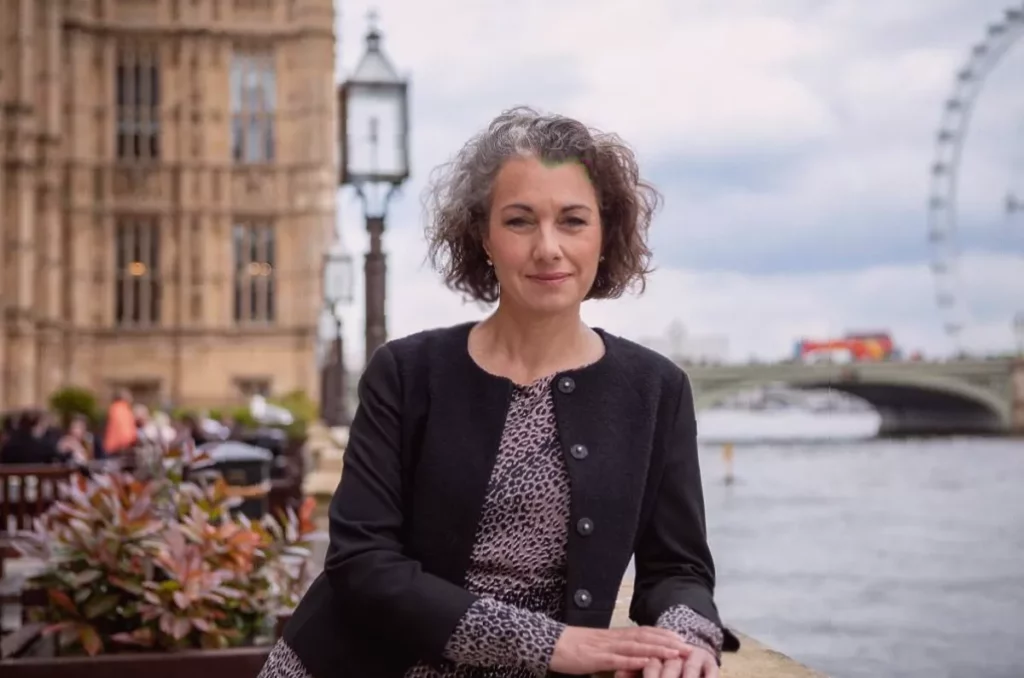
Sarah Champion, the Labour chair of the International Development Committee, wrote to Foreign Secretary Yvette Cooper seeking reassurance that spending would not drop below 0.3 per cent of GNI for the remainder of the spending review period. In her reply, Cooper stated that “the government’s commitment to international development is as important as ever” and that “we have been able to set three years of allocations, providing teams with the predictability required to effectively manage the transition to 0.3 per cent of GNI.” However, she added: “All future plans are subject to revision as, by its nature, the department’s work is dynamic. Programme allocations are continually reviewed to respond to changing global needs, including humanitarian crises and other ODA allocation decisions.”
Releasing the exchange, Champion said the response “does not fill me or my committee with confidence”. She noted that the minister “rightly states that international aid both supports those in extreme poverty and boosts our security at home”, but added she was disappointed that Cooper “could not go further and explicitly say that the government is committing to spending at 0.3 per cent of GNI for the duration of the spending review period.”
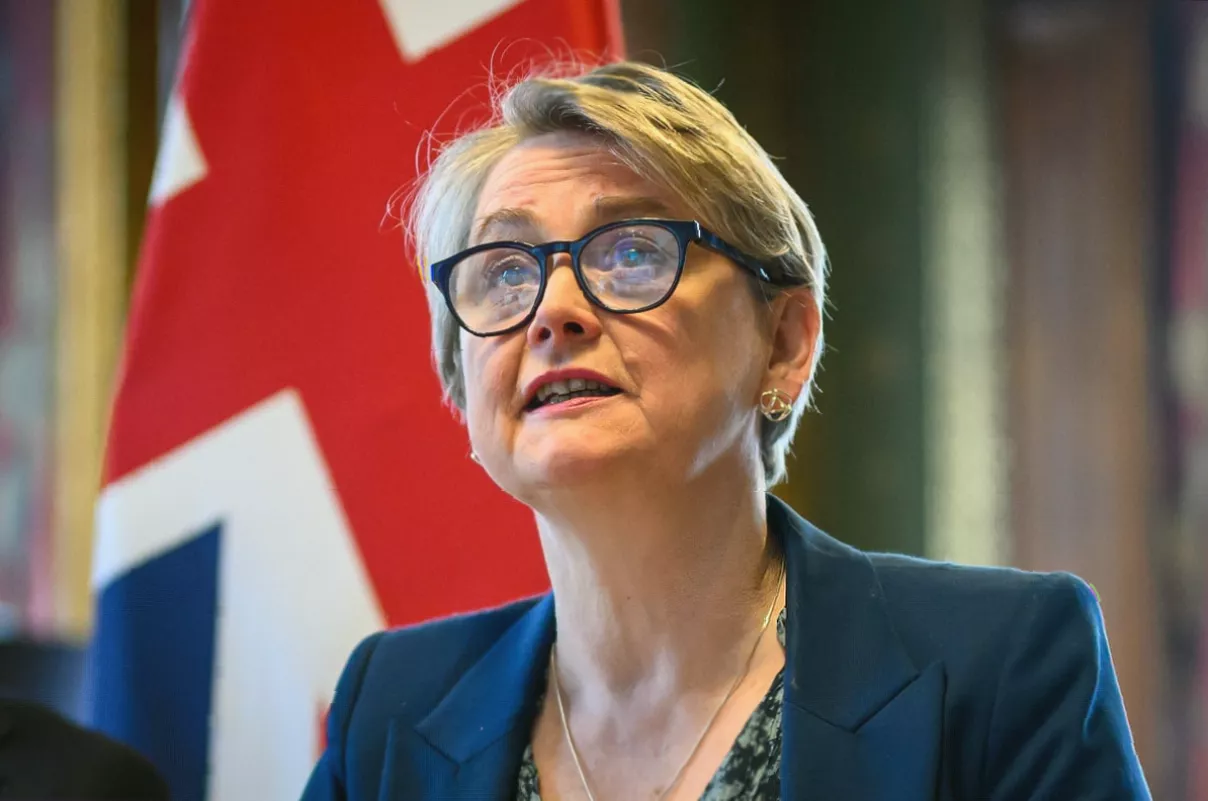
Champion’s unease was heightened by the contrast with the Foreign Secretary’s recent speech at the Global Partnerships Conference in London, co‑hosted by the UK and South Africa. Speaking there, Cooper warned that the world was “more volatile, more contested, more unstable than ever” and called for “bold new approaches” to international development, prioritising aid for fragile and conflict‑affected countries while building new investment partnerships with more stable developing nations. She also unveiled a new “Compact” aimed at strengthening international cooperation. Champion said the lack of reassurance on spending “sits awkwardly with what I was hearing at last week’s Global Partnerships Conference. The foreign secretary spoke purposefully about how global partnerships can drive international development to prevent crises in the first place … Aspects of this new approach are welcome, but if the UK is to deliver on it, to help the world’s most vulnerable people and to preserve our international reputation, then we must ensure that spending does not drop below 0.3 per cent.”
Future implications
The Government has explicitly linked the aid reductions to an increase in defence spending, which is planned to reach 2.6 per cent of GDP by 2027. The savings from aid are expected to provide £500 million for defence in 2025‑26, £4.8 billion in 2026‑27, and £6.5 billion in 2027‑28. Foreign Secretary Yvette Cooper described the decision as “not ideological” but necessary “to deliver the biggest increase in defence spending since the Cold War.”
International Development Minister Baroness Chapman indicated in May 2025 that there is no intention to go lower than 0.3 per cent and that the Government is “making decisions thinking that this level is the new normal”, while acknowledging a return to 0.7 per cent is not imminent. The FCDO’s revised approach, framed as “partnership, not paternalism”, aims to move away from traditional aid delivery towards leveraging institutions such as British International Investment and reforming the World Bank to drive growth and mobilise private capital.
Critics argue that the scale of the cuts will inevitably harm highly vulnerable groups across the Global South, leaving children, people with disabilities and older people more exposed in countries such as Ethiopia, Mozambique, Rwanda, Tanzania and Zambia. Some MPs and aid organisations contend that the framing of defence versus development is a false dichotomy, pointing out that development money acts as a crucial “first line of defence” by promoting stability and preventing crises. Meanwhile, a fifth of the UK’s aid budget — approximately £2.8 billion in 2024 — has been spent on hosting asylum seekers within the UK, a policy that has drawn criticism from those who argue it diverts funds from overseas projects.
The Government’s refusal to guarantee that spending will not fall below 0.3 per cent of GNI leaves the door open to further reductions, a prospect that the International Development Committee chair says undermines the very partnerships the Foreign Secretary is seeking to build. As the UK moves towards the lowest level of aid spending in a generation, the full consequences for the world’s poorest and most conflict‑affected regions are only beginning to emerge.