

Proposed ban on political symbols
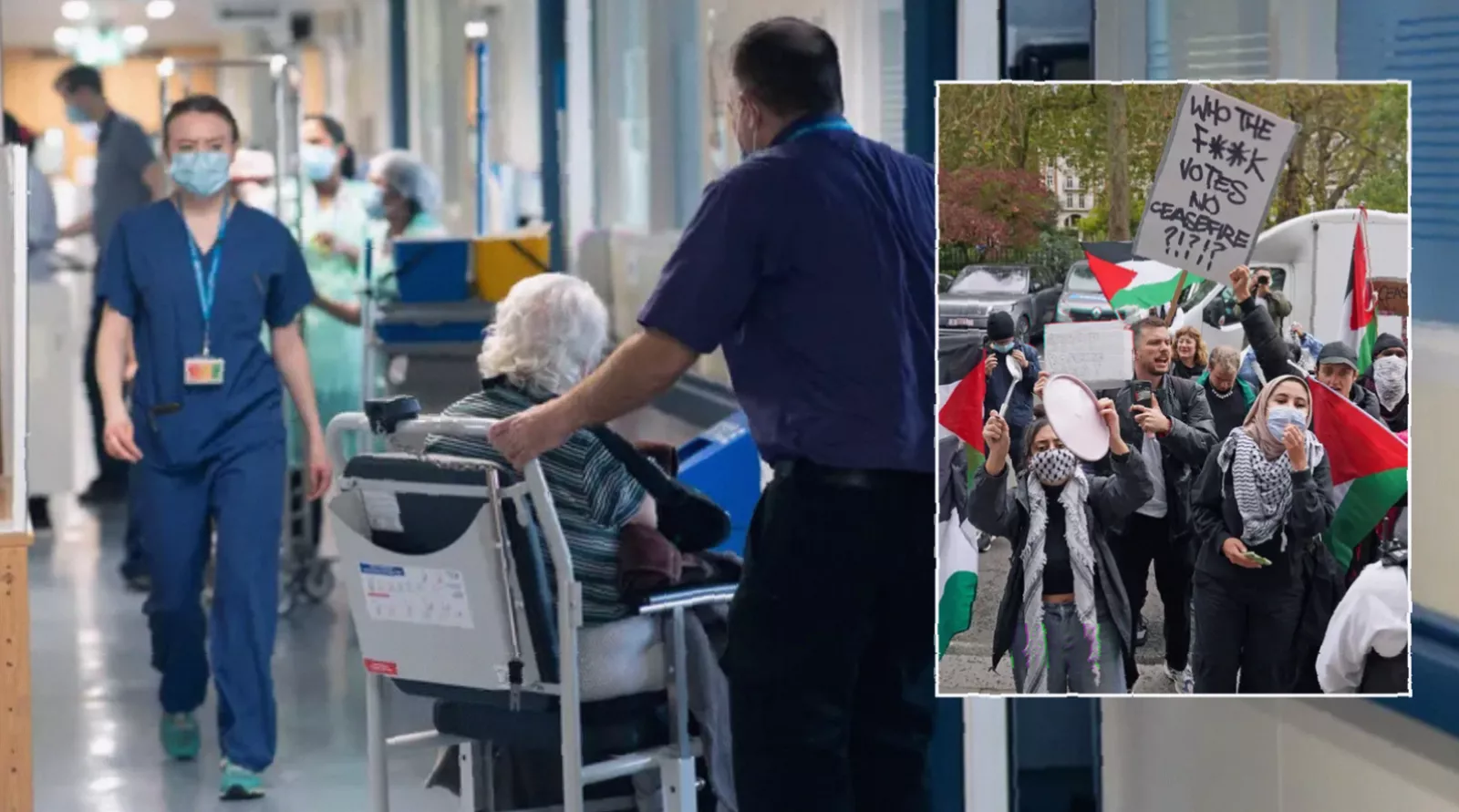
NHS staff could be banned from wearing politically aligned badges on their uniforms, including symbols such as the Palestine flag, under recommendations put forward by the Government’s independent antisemitism adviser, Lord Mann.
The proposed ban would cover all political insignia, with Lord Mann explicitly stating that “an ‘I support Palestine’ badge, or anything like that, is a problem for some people, just in the same way as an ‘I support Israel’ badge is a problem for some people. Don’t wear either.” Drawing a clear line between political expression and personal faith, he added that religious items such as a crucifix or Star of David would remain permitted, arguing that the NHS is “sufficiently sophisticated” to differentiate between the two.
The review, commissioned in October 2025 by the then-Health Secretary Wes Streeting after a series of attacks on the Jewish community and reports of antisemitic comments by doctors, concluded that “political identifiers do not have a place in the NHS” and risk becoming a “barrier to patients.” Lord Mann used the example of a dentist, saying no patient should expect to see an “I love Palestine” or “I love Israel” badge worn by their clinician.
Evidence of routine ostracism and hidden identity
Lord Mann’s investigation uncovered troubling evidence that antisemitism and other forms of racism remain pervasive within the health service, affecting both staff and patients. The report documented what it termed “routine ostracism” experienced by Jewish employees across the NHS.
Jewish healthcare workers are reportedly the only religious group in the latest NHS Staff Survey to have experienced an increase in discrimination from colleagues. Lord Mann said: “People are leaving and have left the NHS because of that. There are people who are very quietly whispering it to me that they’ve made life changes, career changes, because of the ostracisation they’ve had for being Jewish.”
The review also found that Jewish patients have concealed their religious identity while in NHS settings, and some have delayed or avoided seeking medical treatment entirely due to fears of encountering antisemitism and a lack of cultural safety. Lord Mann warned that such avoidance “can be catastrophic if they choose to put off the appointment.” He stated that if people feel they have to hide their identity or “suffer in silence,” the universality of the NHS is fundamentally breached.
One anonymous Jewish accident and emergency doctor told the BBC she had felt uncomfortable observing colleagues wearing pro-Palestinian badges, adding: “The public should have trust in healthcare professionals and if you express political opinions, it can undermine that trust.”
Separate figures highlight the scale of the problem. Between October 2023 and July 2025, 99 antisemitic incidents were recorded in the healthcare sector. The General Medical Council received 779 complaints alleging antisemitism by UK doctors between October 2023 and December 2025, investigating 86 cases. Two doctors were removed from the medical register for antisemitic behaviour.
Government response and implementation
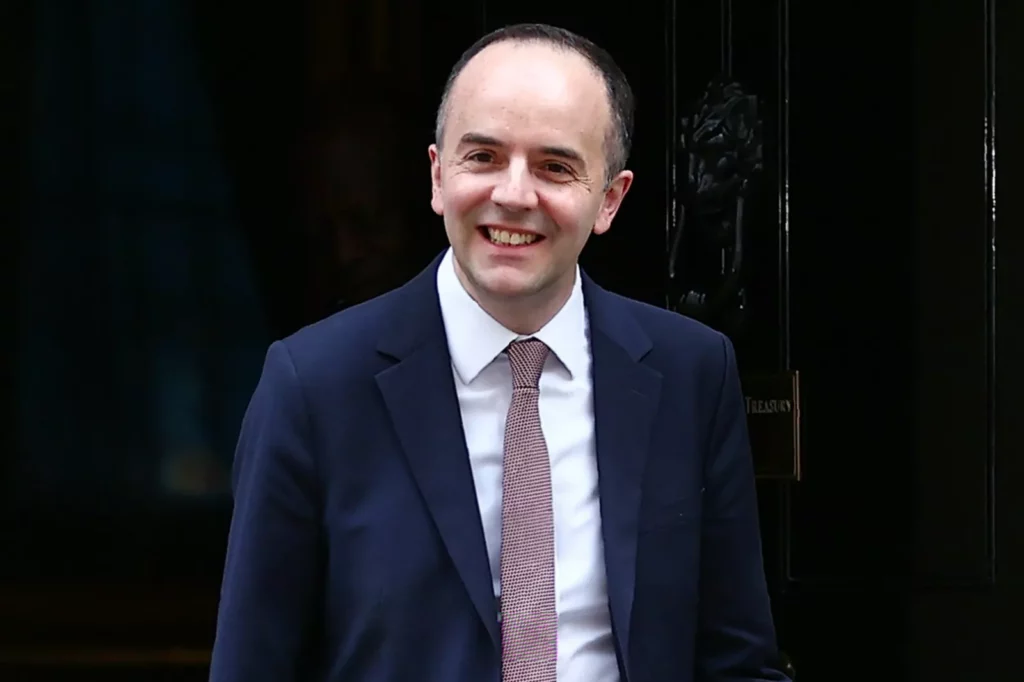
The Department of Health and Social Care has confirmed it will implement all of Lord Mann’s recommendations, pending consultation and engagement with relevant stakeholders. Health Secretary James Murray said the report “has made a series of robust and practical recommendations” and pledged that together with NHS England, “we will waste no time in setting these recommendations in motion to build a health service that lives up to its values.”

Jim Mackey, NHS England’s chief executive, accepted all recommendations and promised swift implementation, describing antisemitism in the health service as “unacceptable.” A new NHS Staff Standard focused on tackling racism will be published, setting minimum expectations for how organisations prevent, respond to and learn from incidents of racism. National guidance will be issued on uniform policy, the use of NHS-issued equipment, and how trusts should respond to racist behaviour from both staff and the public.
The review also recommends mandatory anti-racism training for NHS leaders — specifically chairs and chief executives of all trusts — within six months. Updated equality, diversity and human rights training, with specific content on antisemitism and anti-Muslim hostility, will become mandatory for all staff. NHS England will adopt the UK Government’s definition of anti-Muslim hostility, and all trusts will be asked to do the same. The recommendations also call for strengthening leadership accountability, improving data collection (including considering Jewish and Sikh as ethnicities), and enhancing reporting and investigation processes.
Lord Mann’s proposals have drawn support from Jewish organisations. The Jewish Medical Association expressed backing for prohibiting political symbols from any country, provided any policy is applied consistently, and welcomed the report’s focus on cultural awareness and accountability. Karen Newman, vice president of the Board of Deputies of British Jews, said: “Our public services must set the standard for confronting anti-Jewish hatred and discrimination, and we must ensure the NHS, one of our proudest national institutions, is safe and welcoming for every staff member or service user, regardless of faith or ethnicity.” The Community Security Trust also welcomed Mann’s recommendations and the recognition that antisemitism must be addressed urgently in the NHS.
The report’s findings come as three NHS workers — two doctors and a nurse — have initiated legal proceedings against Barts Health NHS Trust. They argue that the trust’s dress code policy, introduced in March 2025, unlawfully discriminates against their pro-Palestinian and anti-Zionist beliefs. The policy prohibits staff from wearing or displaying items that align with a “particular nation, political party, one side in a conflict or causes that are not directly linked to and supported by the trust or the NHS,” covering badges, lanyards, clothing, digital backgrounds and visible symbols. The claimants contend the policy was implemented without adequate consultation and may have been influenced by lobbying from UK Lawyers for Israel. One claimant, a nurse, was reportedly told to remove a watermelon image from his video call background on the grounds it could be perceived as antisemitic.