

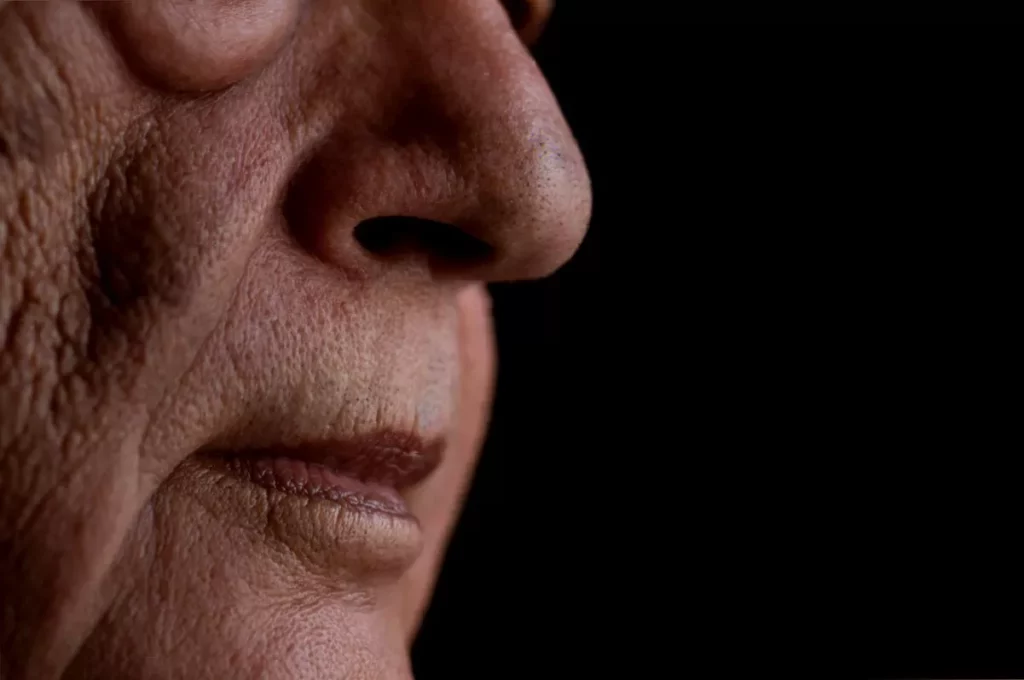
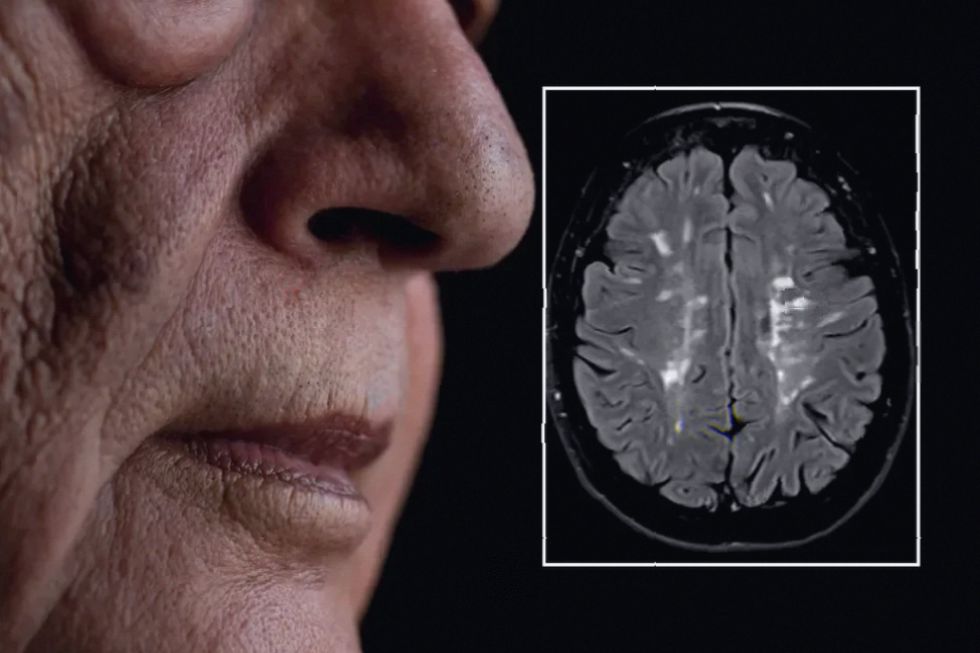
Smell loss is as devastating as a stroke, new research reveals. A study led by the University of East Anglia has found that losing the sense of smell impairs quality of life to a degree that rivals the impact of serious chronic illnesses such as Parkinson’s disease, diabetes and kidney failure. The findings, published in the journal Clinical Otolaryngology, lay bare the profound emotional, social and psychological suffering endured by the millions of people who live with smell and taste disorders, conditions that medicine has historically been slow to recognise as serious.
Professor Carl Philpott, a professor of rhinology and olfactology at UEA’s Norwich Medical School and the lead researcher, described the toll on patients as “alarming.” In the study, which assessed 455 patients across a review of dozens of existing studies, the majority reported suffering from depression. One in five experienced moderate, severe or extreme depressive symptoms. “Perhaps most alarming was the fact that rates of depression and social withdrawal among people with smell and taste loss were repeatedly found to be high,” Professor Philpott said.
Sufferers describe a “disturbing emotional numbness” that strips everyday life of meaning. Simple acts such as eating become purely functional exercises, devoid of the pleasure most people take for granted. Meals can turn “bland, metallic or even repulsive,” leading to significant weight fluctuations as some lose their appetite entirely while others chase ever sweeter or more intense flavours. The loss of pleasure in food, difficulties socialising and heightened anxiety around personal safety all combine to create what Professor Philpott called “significant emotional, social and psychological suffering.” Many withdraw from any social occasion where food and drink form the centrepiece, deepening a sense of isolation that strains intimate relationships and leads to loneliness.
The Weight of a Lost Sense
Approximately one in five individuals suffers from a smell or taste disorder. In the UK alone, this equates to more than 11 million adults with an impaired sense of smell at any given time. Yet medical professionals have often failed to treat these conditions as lasting or serious. The Covid-19 pandemic brought widespread attention to anosmia and ageusia – the medical terms for loss of smell and taste – because millions experienced these symptoms during infection. Studies suggest that between 34% and 68% of Covid-19 patients had olfactory dysfunction, and up to 7% have persistent loss lasting more than 12 months. A UK study indicated that roughly 9.6 million people in the country may have experienced smell loss since the pandemic began.
But Professor Philpott warned that Covid-19 merely exposed a problem that had been neglected for decades. “Our work suggests Covid-19 merely exposed a problem that had existed for decades, one that medicine has been slow to take seriously,” he said. While many who lost their sense of smell or taste during the pandemic recovered, others were left with permanent damage or a distorted perception known as parosmia, where ordinary smells become nauseating. One-third of self-reported long Covid patients suffer persistent smell loss, and almost a fifth experience loss of taste. Even when people feel their smell has returned, objective testing often shows otherwise: nearly a third of individuals with prior Covid-19 had some olfactory dysfunction a year later, compared with 21% of those who had never been infected. Long-term deficits occur in up to 30% of Covid cases.
The research also uncovered the broader implications of olfactory dysfunction: decreased smell function is linked to brain health, future mortality and overall quality of life. The safety consequences are severe. The inability to detect hazards such as gas leaks, smoke or spoiled food creates persistent anxiety. Data from the charity Fifth Sense, which supports people with smell and taste disorders, shows that 85% of its members fear being exposed to dangers such as gas or spoiled food, and 85.9% of affected individuals report high levels of safety concern.
A Long-Overdue Reckoning
Professor Philpott called for urgent action to address what he described as a matter of “genuine health and wellbeing.” He said: “Better recognition, investment in specialist clinics, and greater research into treatments are urgently needed – not as a matter of comfort, but of genuine health and wellbeing.” Currently, only limited specialist services exist, and access to treatment remains poor. For persistent smell loss, smell training – a daily routine of sniffing essential oils and concentrating on the scents – is a recommended approach. Other individual treatments, such as oral steroids, steroid rinses or omega-3 supplements, may be considered, though the evidence for some is weak. Nasal steroids can help if nasal congestion is also present.
Peer support from charities such as AbScent and Fifth Sense is considered vital for those managing the condition. The scale of the problem is undeniable: among Covid-19 survivors with smell or taste loss, 43% reported feeling depressed, and 61% of Fifth Sense members experienced depression and anxiety. The University of East Anglia’s research, led by Professor Philpott – who established the first British Smell and Taste Clinic – serves as a stark reminder that what is often dismissed as a minor inconvenience can destroy the fabric of daily life, rivaling the misery of a stroke or Parkinson’s disease.