

Close Menu
    Useful
    • About Us
    • Contact Us
    • Advertise With Us
    • Health Explainers
    • Our Editorial Team
    Facebook
    HealthNewsDaily.co.uk
    • Home
    • NHS

      NHS hit with £300,000 fine over water contamination that killed chemo patient

      16 June 2026

      Woman, 60, quits job that moved online to start anew in nursing

      15 June 2026

      Cancer patients and unwell children in hospital delighted by dance sessions

      14 June 2026

      NHS warned its weekday-only approach is causing deaths and wasting billions

      13 June 2026

      Resident doctors announce four-day strike, dealing triple blow to NHS

      13 June 2026
    • Health Policy

      Sierra Leone first lady will not oppose FGM without evidence of harm

      17 June 2026

      Readers tell of days of suffering as assisted dying bill returns

      16 June 2026

      Ministers accused of inaction on protection of women and girls

      16 June 2026

      Taxi costing £70 almost used by NHS to deliver 50p pill to England’s former deputy chief medical officer

      15 June 2026

      Abolition of legal protections for disabled people creates dangers

      14 June 2026
    • Mental Health

      Kathleen Chalfant excels in understated, sensuous memory loss play Familiar Touch

      15 June 2026

      William consoles mental health charity user overcome by emotion during tribute

      11 June 2026

      Mother spent £40,000 and four years trying for a baby – despite already having a child

      11 June 2026

      Drop in US suicide toll as one state defies national pattern

      10 June 2026

      Rural California county struggles to cut suicides as gun ownership widespread

      9 June 2026
    • Wellness & Lifestyle

      Letter writers take issue with soap dispensers

      16 June 2026

      Dietitian advises morning drink to lower blood pressure in hours

      16 June 2026

      Experts outline sunscreen reapplication frequency as summer returns

      15 June 2026

      Rising demand for high-protein foods sparks shortage fears

      14 June 2026

      Heightened pollen season expected this year with advice on symptom avoidance

      14 June 2026
    • Disease & Prevention

      Men’s skin cancer risk three times higher if sunscreen misses one body part, doctor warns

      16 June 2026

      Mobility equipment firm’s five-star assistance credited with saving holiday

      16 June 2026

      Mystery tooth condition puts millions of children at risk, experts warn

      16 June 2026

      Incurable cancer found in 25-year-old woman after she mistook symptoms for a virus

      15 June 2026

      UKHSA warns pandemic risk now over 25% with respiratory infections judged top threat

      15 June 2026
    • Treatment & Research

      Behaviours tied to violent crime could be curbed by weight loss jabs

      17 June 2026

      Doctors do not recommend paracetamol for period pain, yet most women use it

      16 June 2026

      Mother baffled by death of one-year-old who was in good health

      16 June 2026

      Title-winning swimmer with rare brain cancer appeals for UK to boost support for fellow patients

      16 June 2026

      Toxic endocrine-disrupting compounds detected in US breast milk samples

      14 June 2026
    HealthNewsDaily.co.uk
    • NHS
    • Health Policy
    • Mental Health
    • Wellness & Lifestyle
    • Disease & Prevention
    • Treatment & Research
    Home » Treatment & Research » Behaviours tied to violent crime could be curbed by weight loss jabs
    Treatment & Research

    Behaviours tied to violent crime could be curbed by weight loss jabs

    Sophie HargreavesBy Sophie Hargreaves17 June 2026
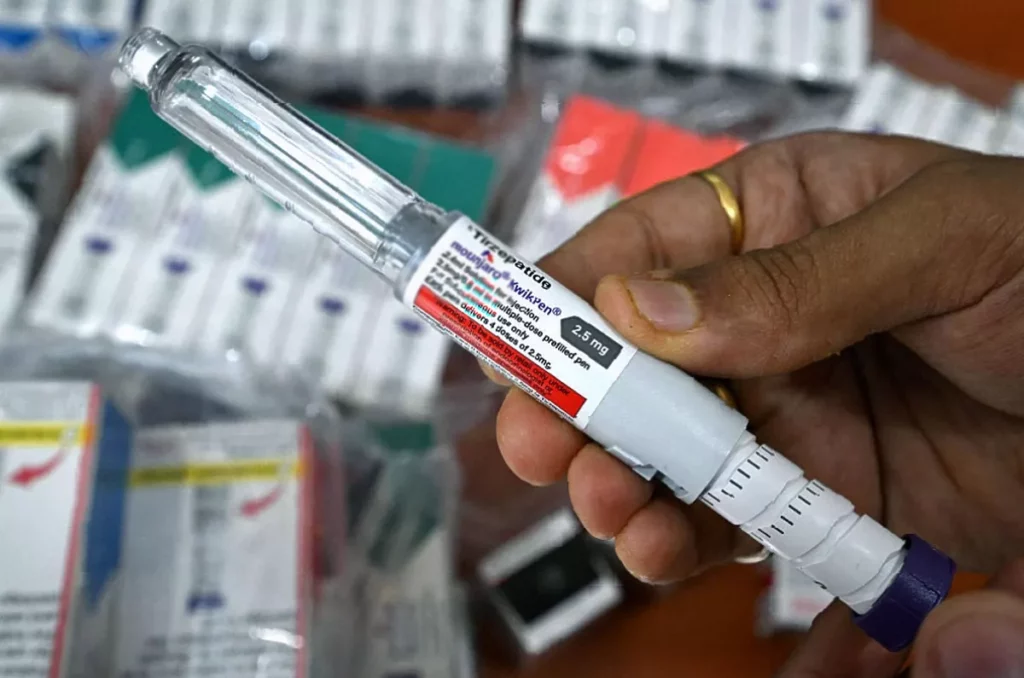
    Researcher analysing data on GLP-1 drug use and violent crime statistics

    Weight loss drugs may reduce violent crime behaviours, a new study suggests. Researchers at Rutgers University have found that people taking GLP-1 receptor agonists such as Ozempic and Wegovy show a significantly weaker link between impulsivity, alcohol consumption and violent acts, raising the possibility that these widely used medications could have unexpected public safety benefits.

    The study, published in the journal Criminology, analysed survey data from 7,521 US adults, including 821 who had ever used a GLP-1 medication. The core finding was that the well‑established association between impulsivity and violent behaviour was about 62 per cent weaker among current users compared with former users. Similarly, the link between alcohol use and violence was roughly 52 per cent weaker among current users, although the researchers noted that this particular result was less consistent across different statistical analyses.

    GLP-1 receptor agonists work by mimicking a natural hormone that regulates blood sugar, appetite and digestion. But drugs containing semaglutide — sold as Ozempic for type 2 diabetes and Wegovy for weight loss — also act on the brain’s reward centres. They have been shown to dampen the abrupt surge of dopamine, the “feel‑good” neurotransmitter linked to addictions such as alcohol, nicotine and gambling. By moderating this reward pathway, the medications may weaken the impulse to act aggressively, even when underlying impulsivity or alcohol intake remains.

    Christopher Thomas, an assistant professor at Rutgers University‑Camden and a co‑author of the study, described the effect as working “like cognitive behavioural therapy, weakening the path from impulse to action rather than eliminating impulsivity itself.” Daniel Semenza, the lead author and director of research at the New Jersey Gun Violence Research Center at the Rutgers School of Public Health, added: “The strongest finding in the study was that the well‑established link between impulsivity and violent behavior was substantially weaker among current GLP‑1 users compared to former users.”

    For the study, violent behaviour was self‑reported using an “offending scale” that assessed acts such as fighting, assault and robbery. The researchers compared current GLP‑1 users with former users to examine whether the medication changed the relationship between violence, impulsivity and alcohol use. Because the study is observational and cross‑sectional, the authors caution that they cannot draw firm conclusions about cause and effect. More research, including longitudinal and experimental studies, is needed to confirm whether GLP‑1 drugs actually reduce the risk of violence and to understand the exact mechanisms involved.

    How the drugs may influence behaviour

    The potential behavioural effects of GLP‑1 medications extend beyond weight loss and blood sugar control. Addiction, including alcohol misuse, is understood to involve the brain’s reward system, which is driven by dopamine. Addictive substances can hijack this system, leading to compulsive behaviours. GLP‑1 drugs appear to influence these reward pathways, potentially reducing cravings and the reinforcing effects of substances such as alcohol, nicotine and even opioids. Broader research has suggested that people taking GLP‑1 medications have a lower risk of developing substance use disorders and fewer addiction‑related emergencies, hospitalisations and drug‑related deaths.

    Alcohol is a significant factor in violent crime in the UK. In England and Wales, victims believed offenders were under the influence of alcohol in 39 per cent of violent incidents in 2023/24, according to Office for National Statistics data. Alcohol can lower inhibitions and impair judgment, increasing aggression and risk‑taking. Impulsivity itself is a known risk factor for violence, and the new study suggests that GLP‑1 drugs may weaken the pathway from an impulsive tendency to a violent act.

    The Rutgers team propose that the medications might affect behavioural pathways relevant to violence risk by influencing reward processing, craving, stress regulation and behavioural control. This is consistent with the finding that the link between impulsivity and violence was substantially weaker among current users, even when they reported similar levels of impulsivity as former users.

    Context and limitations

    In the UK, two GLP‑1 drugs are currently licensed for weight loss: tirzepatide (Mounjaro) and semaglutide (Wegovy). Semaglutide is also available as Ozempic and Rybelsus for type 2 diabetes. The Medicines and Healthcare products Regulatory Agency (MHRA) has approved the UK’s first GLP‑1 receptor agonist tablet for weight loss. However, concerns about safety, cost and side effects remain barriers to wider adoption. Common side effects include nausea, vomiting, diarrhoea, constipation and bloating. Less common but serious side effects can include pancreatitis, gallbladder disease and allergic reactions. There have also been reports of anxiety, depression and suicidal thoughts, though the MHRA has found no causal link between GLP‑1 receptor agonists and suicidal or self‑injurious thoughts.

    The study’s observational nature means that other factors could explain the weaker associations seen among GLP‑1 users. The researchers emphasise that further work is needed to establish causality and to determine whether the drugs themselves reduce violent behaviour or whether people who choose to take them differ in other ways. “As GLP‑1 drugs become increasingly widespread, it is important to understand all of their potential behavioral effects, including those relevant to public safety,” Professor Semenza said.

    Anxiety Depression Diabetes GLP-1 MHRA Public Health Stress Weight Loss Weight Loss Drugs
    Share. Facebook Twitter LinkedIn WhatsApp Telegram
    Sophie Hargreaves
    Sophie Hargreaves

    Health Correspondent
    Sophie Hargreaves covers medical research, new treatments, disease outbreaks and prevention for Health News Daily. She holds a Master's degree in Health Sciences from the University of Leeds and has spent several years translating complex medical science into clear, accessible reporting for a general audience. Sophie focuses on the latest clinical trials, NICE and MHRA approvals, vaccination programmes and emerging health threats, always with an eye on what these developments mean for people in the UK.
    · MSc Health Sciences (University of Leeds), science communication volunteer, medical research literacy
    · Clinical trials and drug approvals (NICE, MHRA), cancer screening programmes, vaccination and outbreak response, women's health (endometriosis, PCOS, menopause), weight management treatments, AI in diagnostics

    Related Posts

    Treatment & Research

    Doctors do not recommend paracetamol for period pain, yet most women use it

    16 June 2026
    Treatment & Research

    Mother baffled by death of one-year-old who was in good health

    16 June 2026
    Treatment & Research

    Title-winning swimmer with rare brain cancer appeals for UK to boost support for fellow patients

    16 June 2026
    Treatment & Research

    Toxic endocrine-disrupting compounds detected in US breast milk samples

    14 June 2026
    Join Our Community & Win

    Each month we select one lucky follower to receive a prize from our partners. Follow us on our social channels for your chance to win.

    • Facebook
    Latest
    Health Policy

    Sierra Leone first lady will not oppose FGM without evidence of harm

    17 June 2026
    NHS

    NHS hit with £300,000 fine over water contamination that killed chemo patient

    16 June 2026
    Health Policy

    Readers tell of days of suffering as assisted dying bill returns

    16 June 2026
    Wellness & Lifestyle

    Letter writers take issue with soap dispensers

    16 June 2026
    Disease & Prevention

    Men’s skin cancer risk three times higher if sunscreen misses one body part, doctor warns

    16 June 2026
    Health Policy

    Ministers accused of inaction on protection of women and girls

    16 June 2026
    News Categories
    • NHS
    • Health Policy
    • Mental Health
    • Wellness & Lifestyle
    • Disease & Prevention
    • Treatment & Research
    Help
    • About Us
    • Contact Us
    • Advertise With Us
    • Health Explainers
    • Our Editorial Team
    About Us
    About Us

    Health News Daily provides trusted UK health news, covering NHS updates, medical research, public health and wellbeing with clear and reliable reporting.

    Facebook
    • Cookie Policy
    • Privacy Policy
    • Complaints Policy
    • Corrections Policy
    • AI Disclosure Policy
    • Editorial Policy & Ethics
    • Accessibility Statement
    • Medical Disclaimer
    • Terms & Conditions
    • Sponsored Content Disclosure
    • Copyright Notice
    © 2026 Healthnewsdaily.co.uk. All rights reserved.

    Type above and press Enter to search. Press Esc to cancel.