

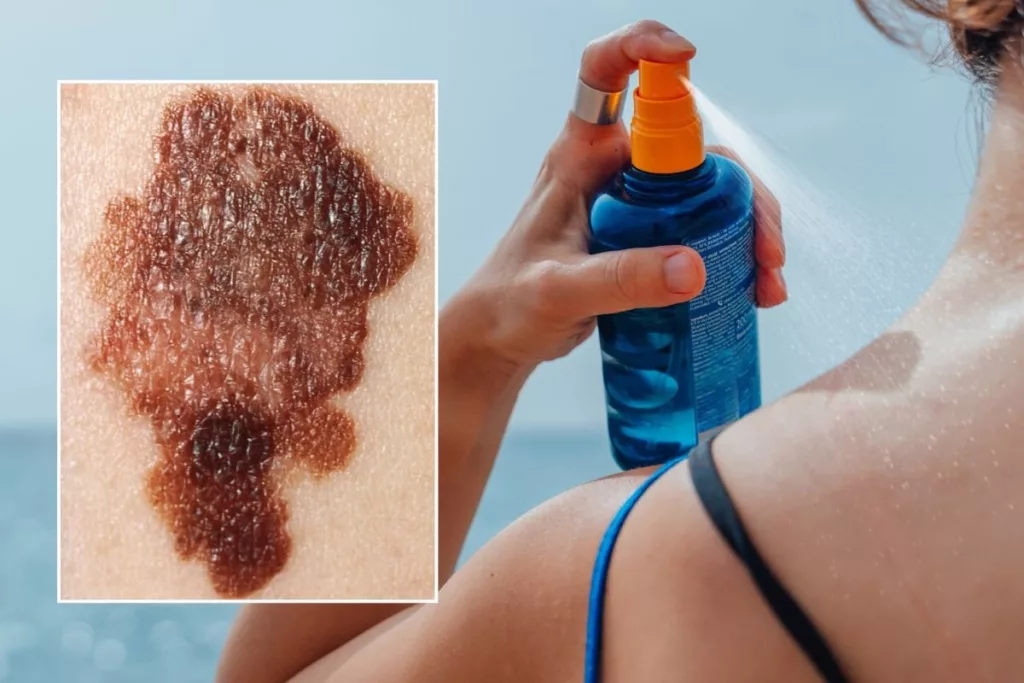
Men face triple the risk of developing melanoma on the neck and scalp compared to women, according to the latest figures, with more than 9,000 men in the UK now receiving a diagnosis of the disease each year. Men also account for approximately four-fifths of all new melanoma cases in these body areas annually, highlighting a stark gender divide that campaigners say demands urgent attention.
The Scale of the Problem
Melanoma skin cancer is the fifth most common cancer in the UK, with around 19,400 new cases diagnosed every year. Incidence rates have risen by more than 164% since the early 1990s, and projections suggest that figure could climb to 26,500 new cases annually by 2038–2040. Nearly nine in ten melanoma cases in the UK are linked to overexposure to ultraviolet radiation from the sun and from sunbeds, according to cancer research organisations. The UK also records more melanoma deaths per year than Australia.
Overall, men account for 51% of melanoma cases in the UK. They are more likely to be diagnosed at a later stage, which contributes to poorer outcomes. Several factors are thought to drive this disparity: lower engagement with healthcare, a tendency to avoid self-checks, perceptions of sunscreen as “unmasculine” or inconvenient, higher rates of outdoor occupations, and potential biological differences such as thicker, less hydrated male skin that may allow deeper UV penetration and a weaker immune response to UV damage.
The ‘Back of the Neck’ Campaign
To raise awareness of these trends, Boots has launched a creative partnership with England and Newcastle United defender Dan Burn. The footballer is rebranding himself as “Dan Won’t Burn” across social media as part of the retailer’s “Back of the Neck” campaign, which has the backing of Macmillan Cancer Support. The campaign specifically targets the neck — one of the body’s most neglected areas when it comes to sun protection.
New research commissioned by Boots found that four in five British adults have experienced sunburn on the back of their neck at some point. More concerning still, more than a fifth report that this happens every year, or even more often. The same research revealed that fewer than one in ten male respondents considered sunscreen necessary on overcast summer days, and only a third thought sun protection was essential while playing or spectating a sporting event. This aligns with broader findings that 35–41% of men in the UK rarely or never use sunscreen during the summer months.
Why the Neck is So Vulnerable
Suncare Scientific Advisor at Boots, Clare O’Connor, explained why the neck poses such a significant risk. “The neck is a particularly high-risk area because it is both frequently exposed to the sun and commonly missed when people apply sunscreen,” she said. “Behaviourally, it’s often overlooked because it cannot be seen and is sometimes partially covered by clothing or hair.”
The area’s inaccessibility — both for applying sunscreen and for checking later — makes it a blind spot for many people. While conventional sun safety messaging has proven effective in raising general awareness, O’Connor noted that many continue to neglect crucial spots. “That’s why campaigns like this are so important — they bring attention to these blind spots and help people apply protection more thoroughly,” she added.
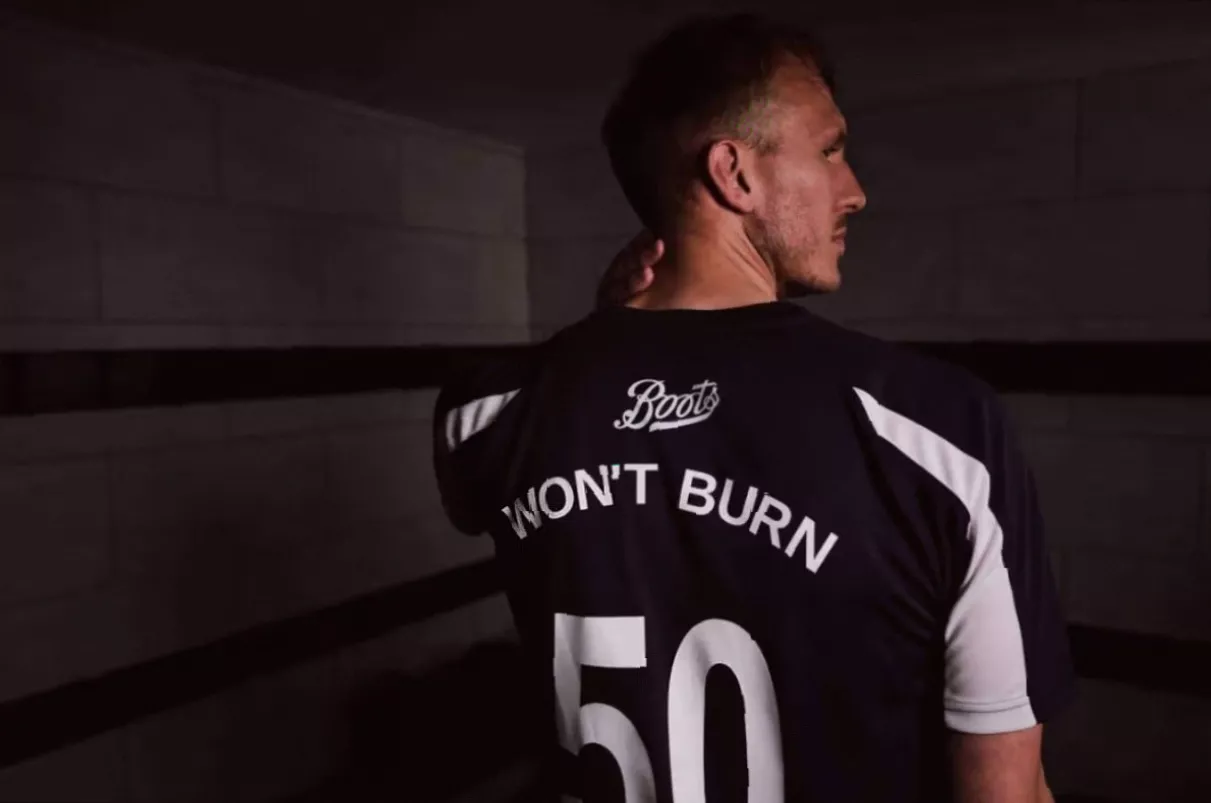
Analysis from Macmillan Cancer Support indicates that behavioural factors such as daily sunscreen application contribute significantly to men’s heightened vulnerability. Societal norms discouraging men from using sun protection, combined with higher cumulative outdoor exposure — whether through work or recreation — leave the neck and scalp particularly exposed.
On the biological side, research suggests male skin may be thicker and less hydrated, potentially allowing UV rays to penetrate more deeply. Men also appear to have a less robust immune response to UV-induced DNA damage, which can increase the risk of melanoma development.
A persistent myth is that sunscreen is unnecessary on cloudy days. However, up to 80% of UV rays can penetrate cloud cover, meaning skin remains vulnerable to damage, premature ageing, and skin cancer even when the sun is not visible. During sporting activities, experts recommend broad-spectrum SPF 30 or higher, water-resistant formulas, and reapplication every two hours — especially after sweating or water exposure. Protective clothing, hats with neck flaps, and seeking shade during peak UV hours (11am to 3pm) are also crucial.
Boots Initiatives and Support
To support the campaign, Boots is offering a 20% reduction on its Mole Scanning Service until 19 July. The service, operated by ScreenCancer, provides an assessment of moles and pigmented lesions by a dermatology specialist and is available at 135 stores nationwide. Typically, the service costs £35 for the first mole and £15 for each additional one, up to a maximum of four per consultation.
Boots is also donating 50p to Macmillan Cancer Support for each bottle of Soltan Clear & Cool Spray SPF50 100ml sold during the campaign period. The retailer has trained more than 11,000 Sun Safety Advisors across its stores to offer advice. In a separate move to encourage higher protection standards, Soltan has ceased production of lower SPF-rated products, now offering only SPF 50 for children and SPF 15 for adults.
Dan Burn spoke candidly about his own habits. “As a defender, I know how important it is to cover every angle, but I’ll admit the back of my neck isn’t always part of my game plan,” he said. “Whether I’m on the pitch or running around after the kids, I spend a lot of time outside, so it’s something I know I need to take seriously.”