

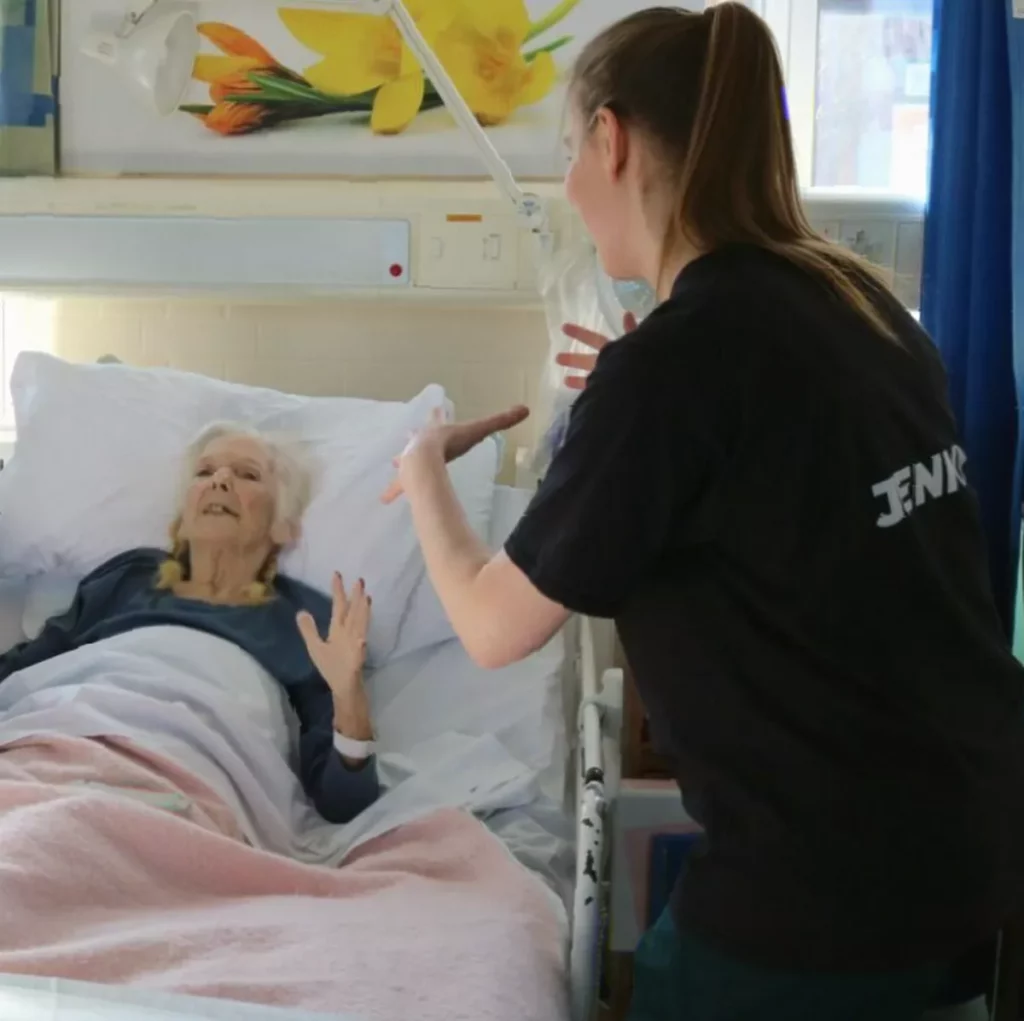
Dance classes are bringing joy and physical benefits to hospital patients at Bedford Hospital, where sessions on the wards have been hailed as transformative by those who take part.
Patient testimonials: ‘The first time I have felt like myself’
Patients who initially feared embarrassment have described the experience as “very worthwhile” and “totally uplifting”. One female patient, who admitted she thought she would be “really embarrassed”, said afterwards that she “absolutely loved it”. Another participant told staff: “This is the first time I have felt like myself since I have been here. We need this every day.”
The brief sessions, lasting between 15 and 30 minutes, incorporate substantial upper body movement. Several patients have reported that their shoulders feel noticeably lower after dancing and that their range of motion has improved. Jenny Howells, 35, a freelance practitioner who co-leads the sessions alongside Sadie Hunt, has witnessed tangible physical improvements. Patients have told her that their pain diminished or disappeared entirely during the dancing and that their joints felt more supple.
The mood on the ward lifts visibly, according to Ms Howells. “I think it just shifts the ward from feeling like a very clinical space into feeling like a more human and artistic space,” she said. She described her involvement as a “huge privilege”, adding that she values witnessing how dance and creative arts can support physical wellbeing while simultaneously boosting mood and fostering a sense of community among patients.
Expansion plans: 30-week programme for young patients and those on cancer treatment
The initiative began as a trial programme on two wards caring for elderly patients with frailty conditions in early 2025. It is now set to grow significantly, with a 30-week programme in the pipeline that will extend its reach to young patients and those receiving cancer treatment.
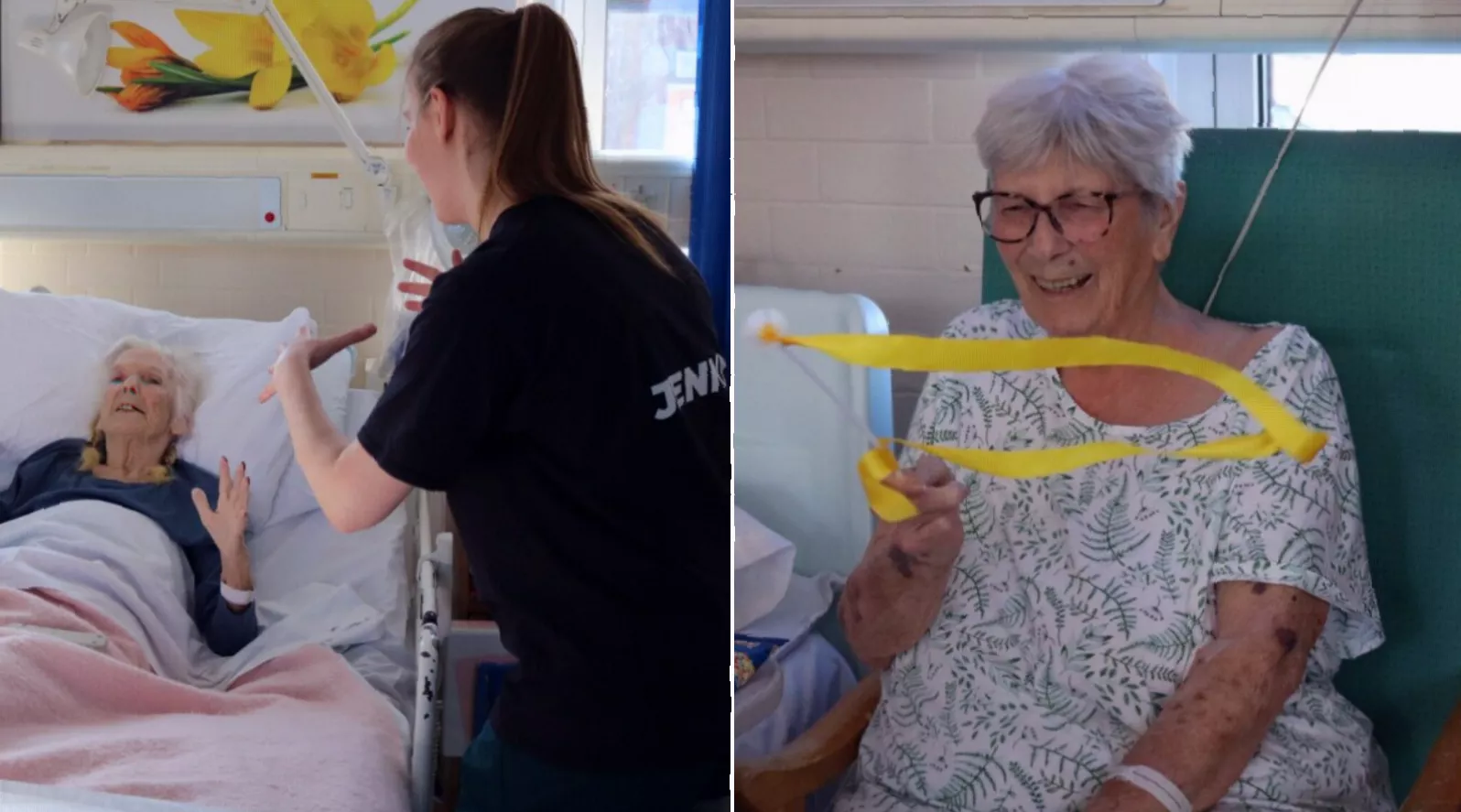
The project has secured funding on four separate occasions, receiving support from Bedfordshire Hospitals NHS Charity, Sport England and Friends of Bedford Hospital. Sport England has awarded more than £10,000 to the programme, which is split between seated dancing for people affected by cancer and their families, and partner dance classes for individuals with Parkinson’s or other long-term health conditions. The funding is intended to increase physical activity among groups that often face barriers to participation. Bedfordshire Hospitals NHS Charity, which supports both Bedford Hospital and Luton and Dunstable University Hospital, provides the funding to offer a fun activity that distracts from the clinical environment and improves mental wellbeing.
Ms Hunt expressed particular excitement about the upcoming expansion to paediatric patients. “I thought I was going to be really embarrassed, but I wasn’t – I absolutely loved it,” one patient said, echoing the sentiment of many who initially held back. Ms Hunt observed that initial reluctance often melts away once others begin participating, with nearly everyone eventually joining in.
Expert opinions: How dance improves physical and mental wellbeing
The sessions are designed to work around each patient’s clinical needs. Ms Hunt, who described her work as “the best job in the world”, explained that the approach centres on relaxation, enjoyment, releasing muscular tension and creating shared experiences among patients in the same bay. Staff have reported that patients appear in better spirits and are more cooperative after the dancing concludes.
The physical benefits are underpinned by a growing body of evidence. Dance interventions have been shown to improve functional capacity, reduce fatigue and enhance quality of life in cancer patients. The rhythmic movement also helps alleviate muscular tension and can reduce the perception of pain. Music therapy, which shares many of the same mechanisms, is recognised for its ability to address social, emotional, physical and cognitive goals. Some patients have reported that their pain disappeared entirely while they were dancing, and that their joints felt more supple afterwards.
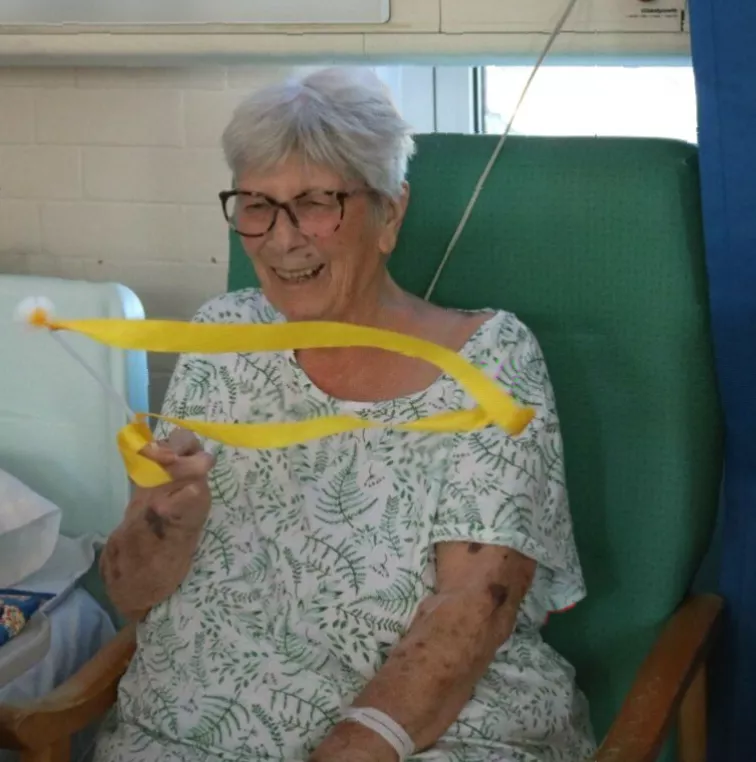
On the mental health side, the sessions provide a welcome distraction for those who are unwell, bored or frustrated by their hospital stay. Dance has been shown to reduce anxiety, stress and depression, offering an instantaneous mood boost that helps combat the isolation and low mood often associated with long admissions. The entire atmosphere of the ward has been described as transformed following the sessions, with staff also benefiting from moments of joy in their working day.
Keely Birch, Bedford Hospital’s prevention of deconditioning lead, acknowledged that extended hospital admissions can significantly affect patients’ mental health, leading to boredom, feelings of isolation and low moods. She also highlighted the physical impact of deconditioning, where rapid loss of muscle mass and functional decline can occur, particularly in older patients. “This project has shown that creative health has a well-deserved place in the acute setting, with patients who have taken part reporting they feel it has value as part of their hospital stay,” Ms Birch said.
The programme aligns with a wider recognition within the NHS that creative health initiatives – using creative and cultural activities to improve health and wellbeing – offer a holistic and person-centred approach. Research on arts and humanities programmes in healthcare environments indicates they can reduce sickness, anxiety and stress for inpatients, and support the NHS’s 10‑year plan by focusing on health promotion and community‑based care. Elsewhere, programmes such as the Royal Academy of Dance’s Fireflies Ballet for the Cancer Community offer free dance sessions for people living with and beyond cancer, reflecting the growing acceptance of dance as a complementary therapy in cancer care.
Ms Hunt emphasised that the sessions are inclusive, accommodating participants whether they are in bed, a chair or standing. “I think it just shifts the ward from feeling like a very clinical space into feeling like a more human and artistic space,” she said. The practitioners work around each patient’s clinical needs, and the results speak for themselves. As one participant put it: “We need this every day.”