

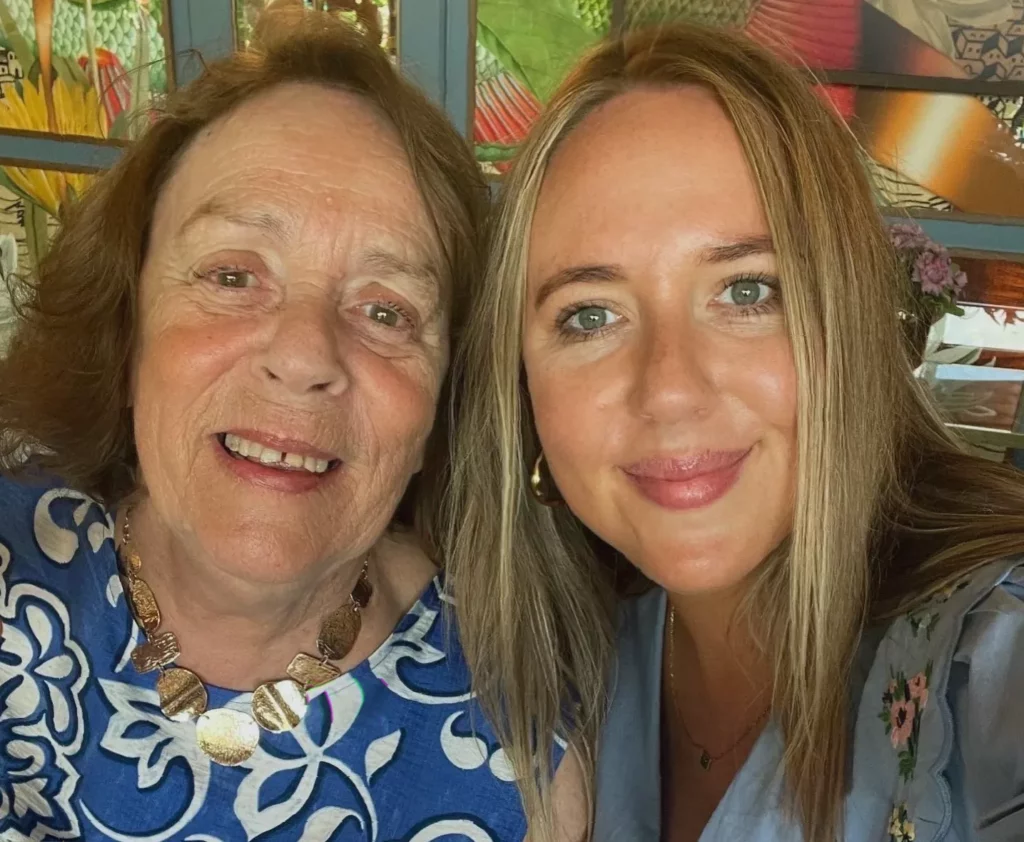
Families are being hit by dementia care bills approaching £100,000 a year, leaving many shocked by the true cost of looking after a loved one. The total economic impact of dementia in the UK is projected to reach £42 billion in 2024, with 63 per cent of that burden falling on patients and their families – a figure expected to rise to £90 billion by 2040. For those with severe dementia, the average annual cost per person is around £80,500, but many face far higher bills when specialist residential care is required.
One family described the moment they discovered the reality. The writer’s mother, Diane, was diagnosed with dementia in 2019 and eventually needed a care home. After finding what seemed a warm, welcoming place with daily activities, an ensuite bedroom and gardens, the relief was short-lived. A staff member asked for proof that the family had £300,000 in assets and could afford the £8,200 monthly fees. A quick calculation showed they were looking at almost £100,000 a year. A live-in carer would not have been cheaper, and Diane lived in a one-bedroom flat with no space for one.
How the means test punishes savers
The shock of the fees is compounded by a means-testing system that excludes those who saved for retirement. In England, anyone with savings or assets above £23,250 is expected to fund their own care in full. The writer described how a lifetime of careful saving – paying off a mortgage, putting money aside for retirement, children and grandchildren – suddenly becomes the reason you are excluded from help. Between £14,250 and £23,250, the local authority will contribute, but the individual must pay a portion of their income plus a “tariff income” calculated on capital above the lower threshold. Below £14,250, the council typically covers most costs, with a small income contribution required.
Certain assets are excluded from the means test, including personal possessions and life insurance policies. However, attempting to gift assets to avoid care costs is risky: local authorities may still consider the value of those assets during a financial assessment. The system does offer a deferred payment agreement, which can help families avoid selling the home immediately, and a 12-week property disregard that temporarily excludes the value of the main residence from calculations.
The Alzheimer’s Society advises families to explore all care options early. Lauren Pates, the charity’s Senior Knowledge Officer for Welfare and Social Care, said a local authority can carry out a financial assessment to determine eligibility for support. If eligible, the council must offer at least one care home that meets the person’s needs within its funding rate. Those who are not eligible become self-funders, covering all fees themselves. “While this often provides greater choice of care homes, they can still claim disability benefits, such as Attendance Allowance, to offset a small portion of costs,” she added.
Attendance Allowance is a non-means-tested benefit for people over State Pension age who need help with personal care or supervision. The weekly rates are £76.70 (lower) and £114.60 (higher) as of April 2026. But against fees of £8,000 or £9,000 a month, the writer said it felt “like pouring a cup of water onto a house fire”. Notably, Attendance Allowance is generally not claimable if the local authority is paying for care home fees.
For younger people, Personal Independence Payment helps with extra living costs due to long-term health conditions. And for those with complex medical needs, NHS Continuing Healthcare offers fully funded care – but it is notoriously hard to access for dementia patients. The care must be deemed a “primary health need” rather than a social one, a distinction that can feel arbitrary when someone can no longer dress, wash or recognise their own children. The writer noted that many families spend months appealing decisions, only to be turned down. If they do not qualify for full NHS funding, they may be eligible for NHS-funded nursing care, which provides a weekly contribution, but that still leaves the bulk of costs to the family.
The hidden trap of top-up fees
Even when a family funds care themselves, the financial strain does not end. Many care homes charge above the local authority’s standard rate. If a family chooses a more expensive home, they may be asked to pay a “top-up fee” – the difference between the council rate and the actual cost. These fees are legal only if affordable alternatives exist and the choice is voluntary. Typically, a third party – a family member or friend – must pay the top-up, not the resident. But if that third party can no longer afford it, the local authority may reassess and, as the Alzheimer’s Society warns, the person with dementia could be moved to a more affordable home. “As moves can be particularly disruptive for people with dementia, this should be avoided wherever possible,” Ms Pates said.
The writer described the grim arithmetic: after paying for the first year from savings, Diane’s flat was put on the market to buy around five more years. After that, it is unknown territory. The money she worked hard to save, meant for a “bolthole by the sea”, has instead become the price of safety and care.

The emotional toll of counting the cost
Worse than the financial strain is the emotional toll. The writer admitted sitting down to calculate how long the family can afford for her mother to live – and the guilt of catching herself worrying that her mother might live for another decade, followed by immediate shame. “The cost of care has a way of dehumanising the elderly,” she wrote, “reducing people to figures, thresholds and means-testing calculations instead of seeing the person they once were – and still are.”
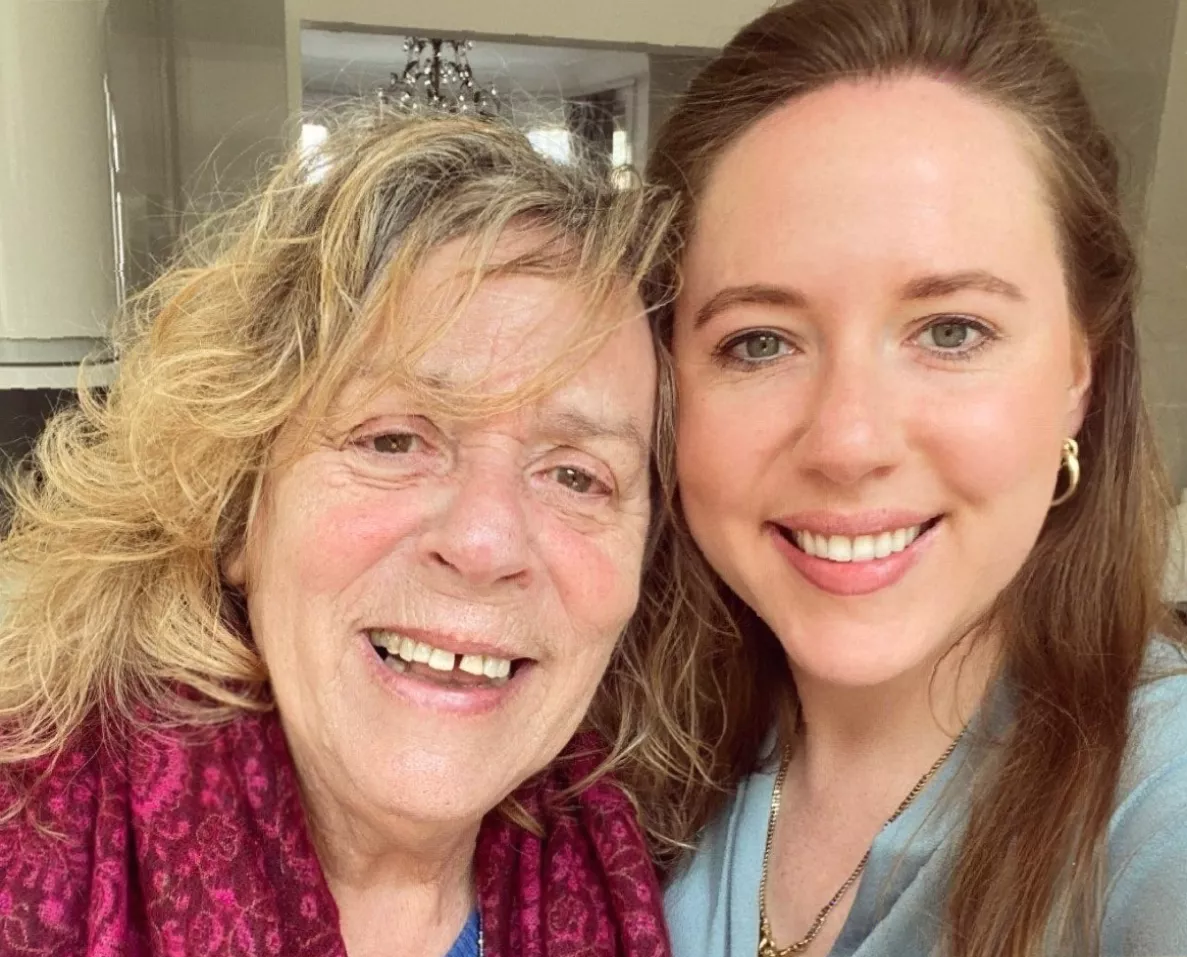
Diane still laughs at the same things, reaches for her daughter’s hand when frightened, and smiles when she sees her grandchildren. “Those moments remind me that dementia may change a person, but it does not erase them. And perhaps that is what makes the financial side of care feel so brutal. Because while the system sees assets, thresholds and affordability, families still just see their mum.”