

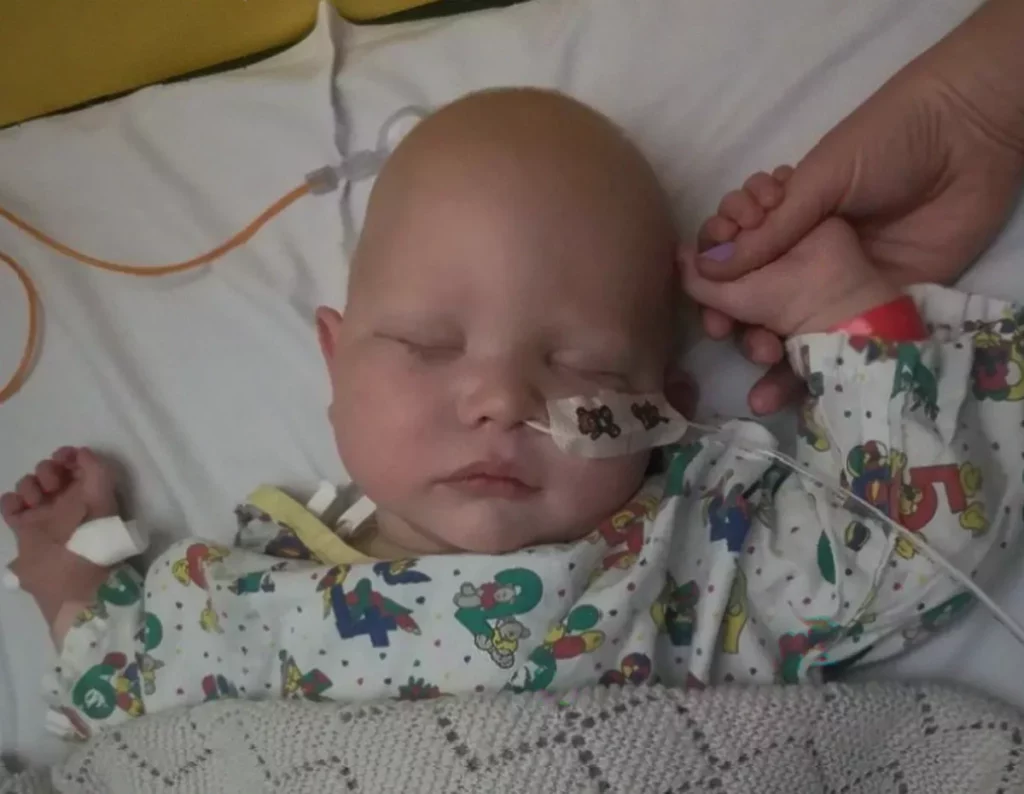
Parents of seriously ill children are being forced to “beg” for money to fund treatment, with many losing their jobs, selling their homes and even going without food as the financial burden of caring for a sick child spirals out of control.
Helen Duffy’s son Michael was diagnosed with high-risk neuroblastoma in June 2021, when he was less than a year old. The rare cancer affects around 100 children annually in the UK, primarily under the age of five, and requires intensive treatment that can last up to 18 months. Michael spent 14 months at Great Ormond Street Hospital (GOSH) undergoing chemotherapy, surgery, radiotherapy, a stem cell transplant and immunotherapy — a regimen that can cost anywhere from £80,000 in Germany to more than £300,000 in the United States if sought abroad.
Helen, who was working two jobs at the time, said she had to stop work to be at his bedside. “As soon as my son was diagnosed, the world completely fell apart,” she said. “I didn’t leave the hospital after diagnosis for at least three weeks. It became completely impossible to work.” While one employer continued to pay her out of “goodwill”, the other would only pay for hours she actually worked, causing her to lose more than £1,000 a month and halving her family’s income. “There was no job security there at all. That income just vanished overnight,” she said.
‘You shouldn’t have to go around with a begging bowl’
Helen and her husband spent more than £10,000 on extra costs directly linked to Michael’s cancer — transport to and from the hospital, food while the family was there, and other treatment-related expenses. Her loss of income coincided with these sudden outgoings. “We just ate entirely into our savings,” she said, adding that many other families would not have had that cushion.
The experience is far from unique. Ceri Morys Menai-Davis, who founded the charity It’s Never You after his son Hugh died of cancer in 2021, said the average monthly cost of having a seriously ill child is between £750 and £1,000. This includes travel, food, hospital parking charges and the general costs of caring for a vulnerable child.
“The parents we have spoken to have maxed out credit cards, sold their homes, sold their clothes on Vinted, and made significant personal sacrifices simply to get by,” he said. “One mother even had to go without dinner while staying in hospital because she could only afford to buy food for her daughter.”
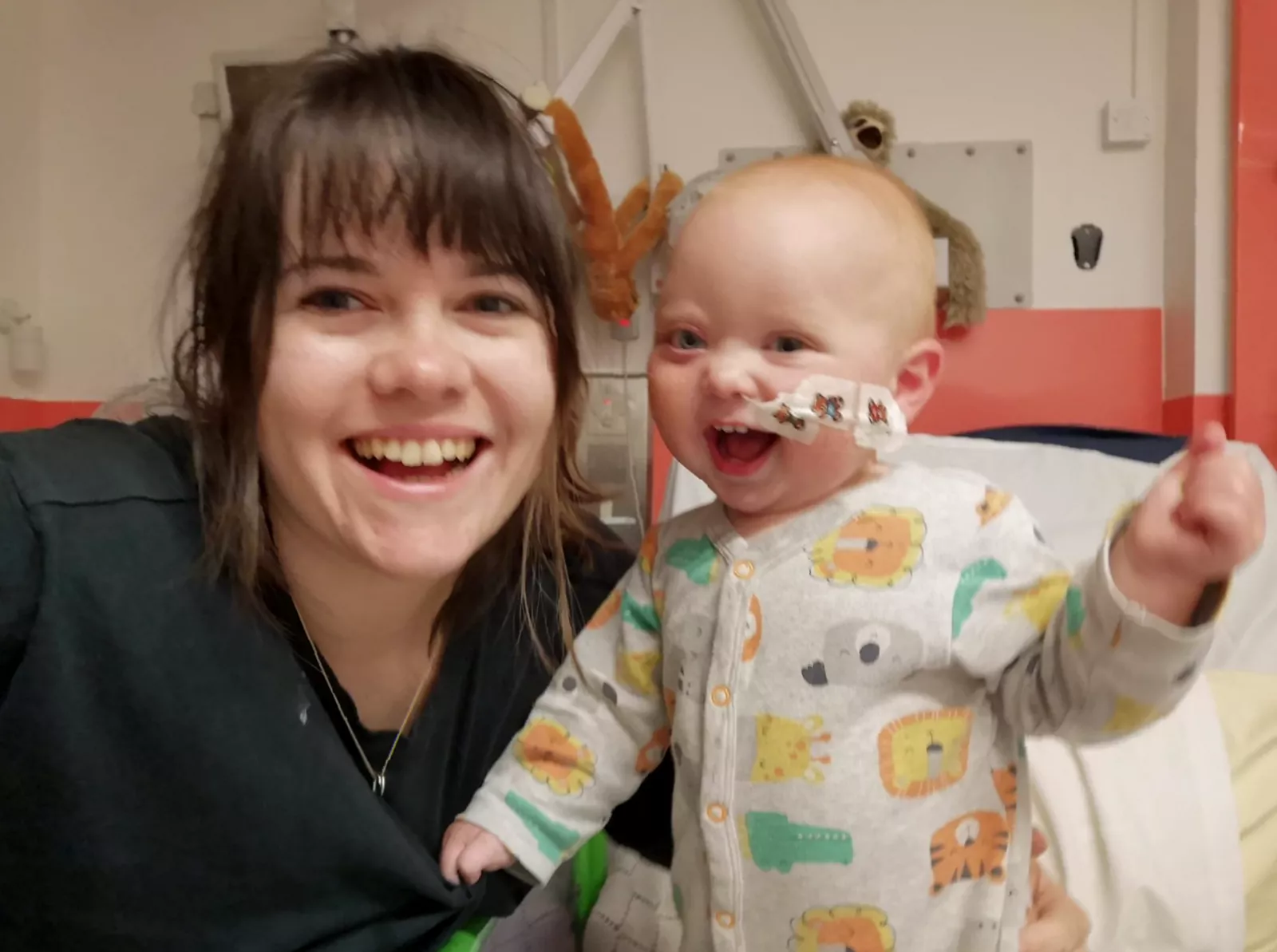
Helen said she and her partner had met other parents in the same situation who had experienced extreme hardship. “We met families who lost their jobs and had to sell personal items. Obviously a lot of families choose to fundraise and their community has to rally around them, but you shouldn’t have to go around with a begging bowl. Not everyone has rich friends and neighbours — it becomes a self-fulfilling thing that the families that are going to struggle the most then have the least support.”
The financial strain is compounded by a lack of statutory support. Currently, employees are entitled to only one week of unpaid carer’s leave per year under the Carer’s Leave Act 2023, which can be taken in half or full days. Separate parental leave provides up to 18 weeks of unpaid leave per child up to the age of 18, but only for those with at least one year’s service. There is also a right to reasonable emergency time off — but employers are not obliged to pay for it. For families facing a serious diagnosis, these provisions fall far short of what is needed.
Government consultation and ‘Hugh’s Law’
The Government launched a consultation on 9 June examining whether parents whose children are in extremely poor health should be given paid time off work — something they are not currently entitled to. The consultation, which closes on 1 September 2026, is part of the Government’s broader “Make Work Pay” agenda aimed at modernising working practices and supporting workforce participation. It is seeking views on whether existing rights are adequate and what further measures could be implemented.
A central focus of the consultation is what campaigners call “Hugh’s Law”, named in memory of Hugh Menai-Davis, who died of cancer at the age of six in 2021. The campaign, led by Hugh’s parents, Ceri and Frances Menai-Davis, and their charity It’s Never You, calls for statutory paid leave and financial support for parents in the immediate aftermath of a child’s serious diagnosis. The proposal aims to provide financial support and job protections similar to those already available to parents of newborns in neonatal care or those experiencing bereavement. Currently, there is a gap in support for parents whose children become seriously ill after the first 29 days of life.
Under the proposals, the Government is exploring introducing paid carer’s leave for the first time. Potential models include a short period of paid leave — up to five days — funded at various rates, such as 90 per cent or 50 per cent of normal pay, or at statutory family-related pay rates. At the same time, the Government is reviewing the existing right to unpaid carer’s leave, with proposals to extend the entitlement and improve information and guidance for both carers and employers.
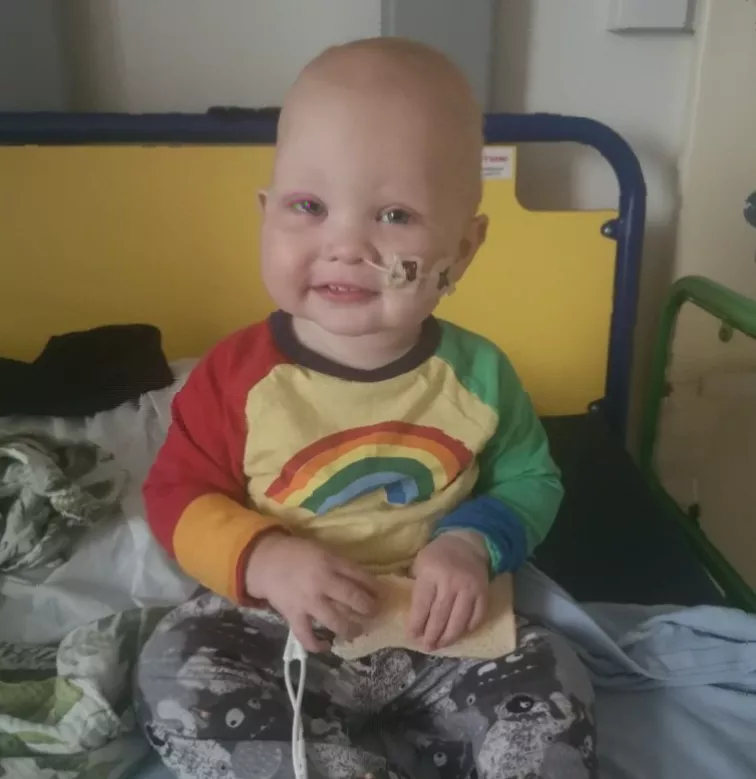
Families and charities say the payment is needed because finances are being crippled by care costs, and they need a “safety net” for when the “worst possible thing” happens. The charity Carers Trust also welcomed the proposals, with policy manager Ramzi Suleiman saying: “Building on the existing right to unpaid leave and levelling this up to paid leave would offer greater financial security and peace of mind for potentially millions of carers. Most of us will be carers at some point in our lives, and carers being out of work costs the economy billions every year. Securing measures that support carers to stay in work is beneficial for everyone.”
The economic cost of unpaid care is substantial: it is estimated that millions of carers balancing work and caring responsibilities are forced to reduce hours, quit work, or delay returning to employment, costing the economy around £37 billion per year. Research also indicates that kinship carers — relatives who step in to care for children — often face financial insecurity and are forced to claim benefits due to a lack of paid parental leave, with many losing their jobs and never returning to work.
Right to return to work
Another element of the consultation is whether parents who take time off to care for their children should have a guarantee that they will get their jobs back afterwards — a “right to return” mirroring the protections enjoyed by those on maternity leave. Helen Duffy says this is crucial.
“If you’re on maternity leave, you’re protected from a restructure at work. But if you’re off looking after a sick child who’s got cancer in six months, you’re not protected,” she said. “When your child is so unwell, there’s literally nowhere else you can be than at their bedside. You’re not thinking about financial security, but the mortgage still needs to be paid, bills still need to be paid, everything still needs to be paid. Caring for a sick child is a 24/7 job and it’s right that the Government is kind of looking into how they can support parents.”
The consultation also notes that countries such as Sweden offer 120 days of paid leave per year for sick children, California provides eight weeks of paid family leave, Canada offers 35 weeks of caregiver benefits, and France provides up to 310 days of financially assisted leave. For now, UK families like Helen’s are left relying on savings, charity handouts, and the goodwill of employers — a situation Ceri Morys Menai-Davis described as unsustainable. “You shouldn’t have to go around with a begging bowl,” Helen said. “Not everyone has rich friends and neighbours.”