

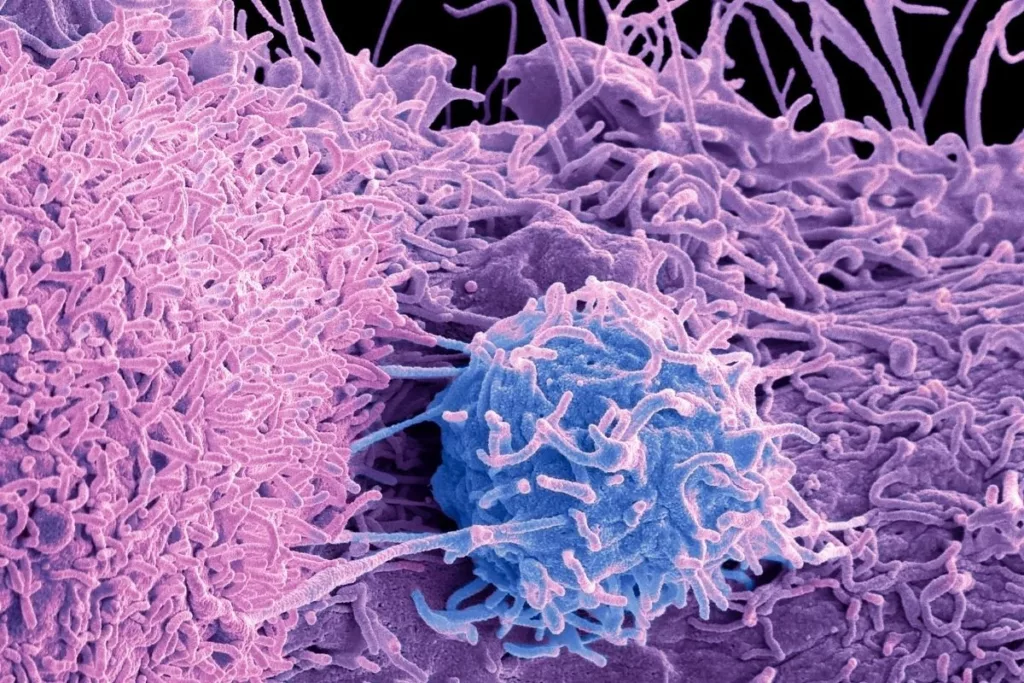
Prostate cancer is the most common cancer diagnosed in men across the United Kingdom, with official figures showing that roughly one in eight men will receive a diagnosis in their lifetime. For Black men, that figure rises sharply to one in four, while transgender women and non-binary individuals assigned male at birth also need to remain alert to the condition.
The scale of the disease
In 2022, more than 68,000 new cases were recorded in the UK, and projections suggest that number could climb to around 85,100 cases annually by 2038–2040. At present, approximately 57,900 men are diagnosed each year — the equivalent of 160 new cases every day. Prostate cancer accounts for 14 per cent of all new cancer cases in the UK and 28 per cent of all new male cancers. It is the third most common cause of cancer death, responsible for more than 12,000 deaths annually and 7 per cent of all cancer fatalities. Survival rates are generally good when the disease is caught early; around 78.9 per cent of men survive for ten years or more after diagnosis.
Incidence rates are highest in men aged 75 to 79, and more than three-quarters (77 per cent) of deaths occur in individuals aged 75 and over. There is also a notable deprivation gap: rates are 17 per cent lower in the most deprived areas of England compared with the least deprived, suggesting differences in awareness, access or diagnostic practices.
The subtle, often overlooked, symptoms
Early-stage prostate cancer frequently produces no symptoms at all. When signs do appear, they tend to involve urination difficulties because the gland — a walnut-sized structure positioned beneath the bladder, responsible for producing seminal fluid — surrounds the urethra. Marc Laniado, a consultant urological surgeon, warns that symptoms like increased trips to the bathroom at night continue to slip under people’s radar.
A tumour pressing against the bladder reduces its capacity, while pressure on the urethra makes it harder to empty the bladder completely, meaning it fills up again more quickly. Men should also pay attention to a weakened or intermittent urinary stream, a sensation that the bladder has not fully emptied, and sudden urgency — the feeling of not reaching the toilet in time. Mr Laniado points out that these symptoms can also be caused by benign prostatic enlargement (BPE), a non-cancerous swelling that commonly occurs as men age. “It’s a nuisance, not a danger,” he says, but the difficulty lies in distinguishing between benign and cancerous causes based on sensation alone.
Other warning signs that men often overlook include blood in urine or semen, pain during ejaculation, and newly developed difficulties achieving or maintaining erections. Should the cancer advance beyond the prostate, additional symptoms may emerge: persistent lower back pain without a clear explanation, lingering hip pain, pelvic discomfort that refuses to subside, and persistent fatigue that does not improve with rest. Unexplained weight loss, occurring without changes in diet or physical activity, also merits attention. A dull, persistent ache in the perineum — the area between the scrotum and the back passage — may signal prostate concerns. Mr Laniado advises that these are not classic textbook symptoms and could be due to non-cancerous conditions, but “if they’re persistent” they should be discussed with a GP.
Thanks to improved testing protocols, cases where the cancer has already spread at the point of diagnosis are becoming less common, but early detection remains paramount for successful treatment outcomes.
Risk factors and who should be especially vigilant
Age is the strongest risk factor, with risk increasing significantly after 50. Ethnicity plays a major role: Black men are two to three times more likely to be diagnosed than white men, are more likely to be diagnosed at a younger age, and may have a more aggressive form of the disease. Men of Asian origin have a lower risk, while those of mixed Black ethnicity may also be at higher risk, though more research is needed. A strong family history of prostate, breast or ovarian cancer also raises risk. Specific genetic variants are implicated — for example, the rs72725854 variant on chromosome 8q24 is associated with increased risk in men of African ancestry, and BRCA2 gene variants increase the likelihood of fast-growing prostate cancer.
Trans women and non-binary individuals who were assigned male at birth retain a prostate and can develop prostate cancer. Although feminising hormones and testosterone blockers may reduce risk by lowering testosterone levels, a risk still exists. The prostate may be smaller due to hormone therapy, which could mean symptoms appear later. PSA levels in trans women taking feminising hormones tend to be lower, potentially making the standard blood test less reliable.
Diagnosis and the path to early detection
The UK does not have a national screening programme for prostate cancer. The UK National Screening Committee does not recommend population-wide screening because the benefits of the PSA test are not proven to outweigh the risks for the general population. However, the committee does recommend targeted screening for men aged 45 to 61 who carry a pathogenic BRCA2 variant and have a family history of certain cancers. This involves a PSA blood test every two years, and rollout plans are being developed, with England aiming to start by 2027.
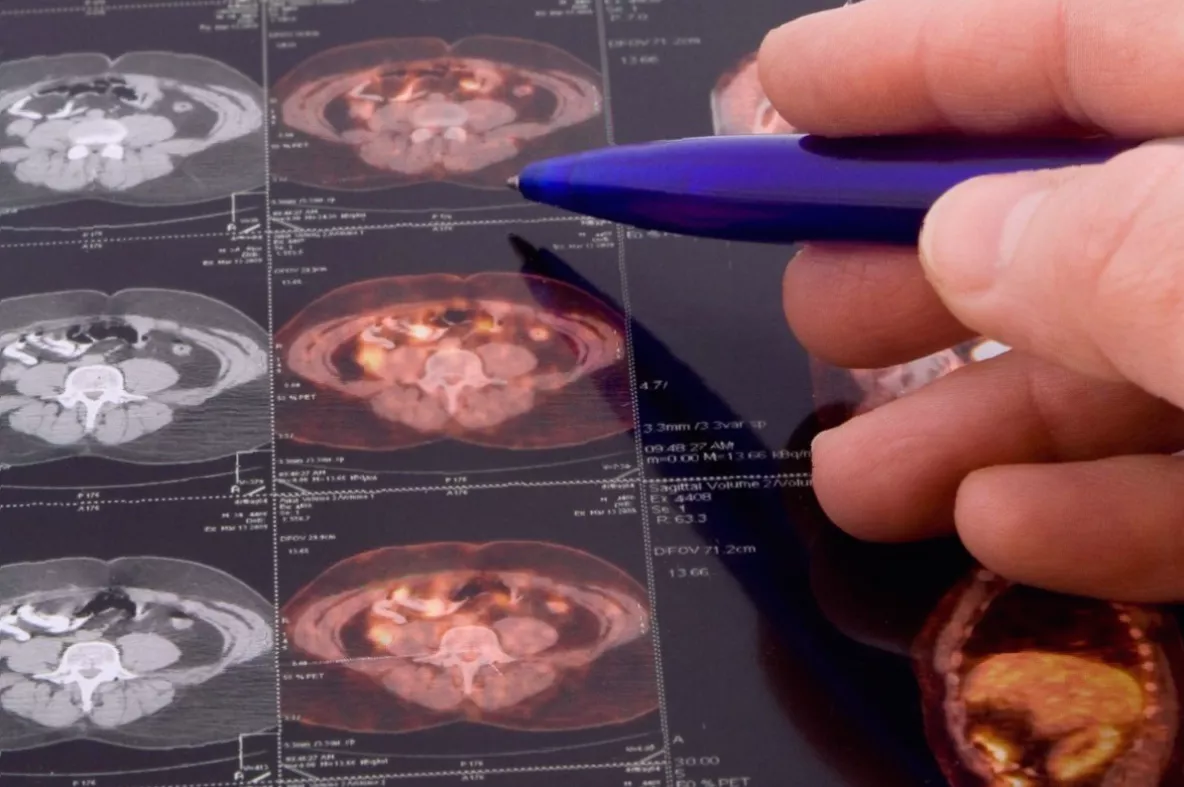
The PSA blood test can indicate prostate issues but is not a definitive diagnostic tool. Elevated levels can be caused by BPE, infection or other factors. Men can request a PSA test from their GP, who will discuss the pros and cons. For Black men, it is recommended that they speak to their GP about a PSA test from age 45, or from age 40 if there is a family history. If symptoms or elevated PSA prompt further investigation, the standard diagnostic pathway begins with a GP consultation, followed by a high-resolution MRI scan to identify suspicious areas. If the MRI suggests cancer, a transperineal biopsy — taking tissue samples via the perineum — is performed. This method is considered more accurate and carries a lower risk of infection than traditional trans-rectal biopsies.
A major £42 million trial, called TRANSFORM, is currently underway to determine the most effective way to screen men for prostate cancer, combining PSA tests, genetic tests and fast MRI scans. The trial aims to include at least 10 per cent Black men to ensure the evidence is robust for this higher-risk group.
Treatment options and advances
For slow-growing or low-risk cancers, active surveillance or watchful waiting allows monitoring without immediate treatment. When treatment is needed, options include radical prostatectomy (removal of the prostate gland) — with techniques such as Retzius-sparing robotic surgery designed to preserve urinary control and erectile function — as well as radiotherapy, which can be delivered externally or internally via brachytherapy. A newer precision radiotherapy called stereotactic ablative radiotherapy (SABR) reduces the number of treatment sessions from 20 to five while causing fewer side effects. Hormone therapy blocks or lowers testosterone to slow cancer growth, and chemotherapy is used for advanced disease, often in combination with hormone therapy. High-intensity focused ultrasound (HIFU) and cryotherapy are also available.
Research into new drug combinations continues, including trials of ipasertib and capivasertib combined with other agents for advanced prostate cancer, which may kill cancer cells and prevent resistance. Immunotherapy drugs such as VIR-5500 are showing promise in early trials for advanced disease. Marc Laniado, who specialises in advanced diagnostic techniques, robotic surgery and focal therapies, stresses that the key to successful outcomes remains early detection and persistent attention to the subtle signs that too many men dismiss as minor inconveniences.