

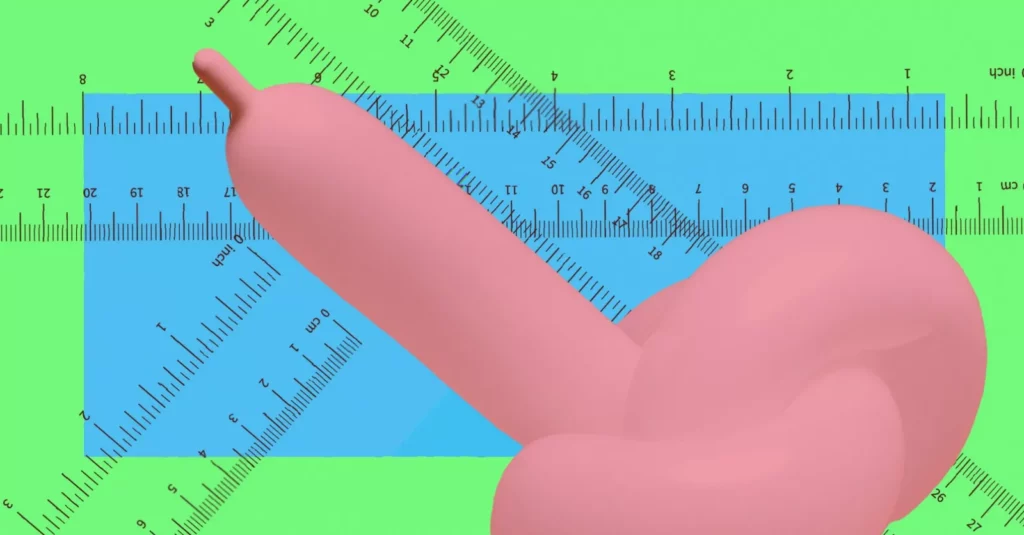
Men are turning to fat-dissolving injections on their pubic area in an attempt to enlarge the appearance of their penis, a practice promoted by influencers within the “looksmaxxing” community but which carries serious medical risks and operates outside any UK licensing framework.
The technique, sometimes referred to under the umbrella term “penismaxxing,” involves injecting lipolysis agents into the mons pubis — the rounded pad of fatty tissue sitting over the pubic bone in the lower abdomen. When that pad is larger, it can create a “buried penis”, where a normal-sized member is obscured by skin, subcutaneous tissue or fat. By reducing that fat, more of the shaft becomes visible, giving the illusion of increased length.
The method was shared on a podcast by Braden Eric Peters, an influencer who goes by the online alias Clavicular and is known for promoting various “looksmaxxing” practices aimed at maximising physical appearance. Critics argue such content can fuel unhealthy beauty standards and body dysmorphia.
How the injections work – and what they don’t do
Fat-dissolving injections, such as those containing deoxycholic acid or products like Aqualyx and Kybella, are designed to break down localised pockets of fat. Dr Babak Ashrafi, a GP at Superdrug Online Doctor, explained: “Around the pubic region, reducing excess fat above the penis can make more of the shaft visible, creating the appearance of increased length. It’s important to understand this doesn’t actually enlarge the penis itself, it simply changes the surrounding tissue, which may make it look more prominent.”
Dr Ashrafi also noted that where genuine weight loss is achieved, there can be additional benefits. “Weight loss could improve cardiovascular health, blood flow and, in some cases, erectile function,” he said.
But despite the existence of licensed fat-dissolving products for other body areas — such as the chin and abdomen — their use for penile enhancement is not approved. Dr Shirin Lakhani, an intimate health specialist, said: “While a number of fat-dissolving products are used in UK aesthetic practice… there are currently no fat-dissolving injections specifically licensed for enlarging the penis or reducing the mons pubis to enhance penile appearance.” The products used for this purpose are being employed off-label, meaning they have not been formally assessed by regulators for safety and efficacy in that context.
Dr Ashrafi warned men against buying such products over the counter or from the “online black market for injectable products”. He said: “These products may be counterfeit, contaminated, incorrectly dosed or contain undisclosed ingredients, putting people at risk of serious complications. Any injectable treatment should only be prescribed and administered by a qualified healthcare professional following an appropriate medical assessment.”
Concerns are particularly acute around unregulated products such as “Lemon Bottle”, which have been sold online and administered by untrained individuals. The US Food and Drug Administration has issued warnings about adverse reactions from unapproved fat-dissolving injections, including permanent scarring and infections.
Significant physical risks and no medical licence
The pubic area is anatomically sensitive, and the risks of performing injections there without proper oversight are considerable. Dr Lakhani described it as “a highly sensitive anatomical area containing important blood vessels, nerves and delicate tissues”. She added: “Any injectable treatment performed close to the genital region requires careful assessment and significant clinical expertise. Potential risks include pain, swelling, bruising, infection, skin irregularities, asymmetry, scarring and damage to surrounding structures.”
Dr Ashrafi said that in severe cases, the consequences could be permanent cosmetic deformity and an impact on sexual function. Reported side effects from lipolysis injections more broadly include redness, swelling, pain, bruising and temporary dizziness, but when applied to the genital region the stakes are higher.
The lack of a specific licence in the UK means that any practitioner offering this treatment is doing so off-label, and there is no regulatory safety net to guarantee the product’s quality or the clinician’s competence. The government is planning stricter oversight and licensing for cosmetic procedures, particularly high-risk ones such as fillers and injections in genital areas.
Beyond injections, men have explored other inadvisable methods. The original article notes “jelqing” — manually stretching the penis or using weights — and “ballmaxxing”, which involves injecting the testicles with saline for temporary inflation. Medical evidence for the effectiveness of such techniques is scant, and the NHS does not routinely fund cosmetic penis enlargement procedures except in rare medical cases such as micropenis or functional impairment from injury.

Surgical options exist privately, including suspensory ligament release, fat transfer or silicone implants, but research shows low patient satisfaction rates and significant risks including deformity, shortening and erectile dysfunction. Non-surgical approaches such as hyaluronic acid fillers for girth enhancement carry risks of infection, lumps and vascular occlusion. Many experts recommend counselling for men experiencing size anxiety, as a large proportion of those seeking treatment have anatomically normal penises but suffer from body dysmorphic tendencies.
Rising demand driven by social media
Both doctors confirmed they regularly receive enquiries from men about penis enlargement and intimate concerns. Dr Lakhani said: “Demand for treatments relating to erectile dysfunction and penile enhancement has existed for many years. What’s changing is the influence of social media and online trends, which can encourage people to experiment with treatments that may not be medically appropriate or safe.”
A study from the aesthetics company Adoreal revealed a 30% increase in aesthetic inquiries from men in 2025, with fat removal among the most booked treatments for male clients. Dr Ashrafi noted a significant rise in men seeking weight-loss injectables and fat-dissolving injections over the past couple of years. “Many men are becoming more proactive about their health and body image,” he explained, “and effective weight loss can reduce fat around the lower abdomen and pubic area, which may improve confidence and make the penis appear more visible.”
Broader data indicates that male patients now account for nearly one in five cosmetic appointments in the UK, though the British Association of Aesthetic Plastic Surgeons reported a slight decline in male cosmetic surgery procedures in 2024, with liposuction and rhinoplasty dropping while face and neck lifts surged.
Both medical professionals emphasised that maintaining a healthy weight is the safest and most effective way to optimise the appearance of the penis. Dr Lakhani strongly cautioned: “I strongly caution against attempting any injectable treatment in this area without proper medical supervision.”