

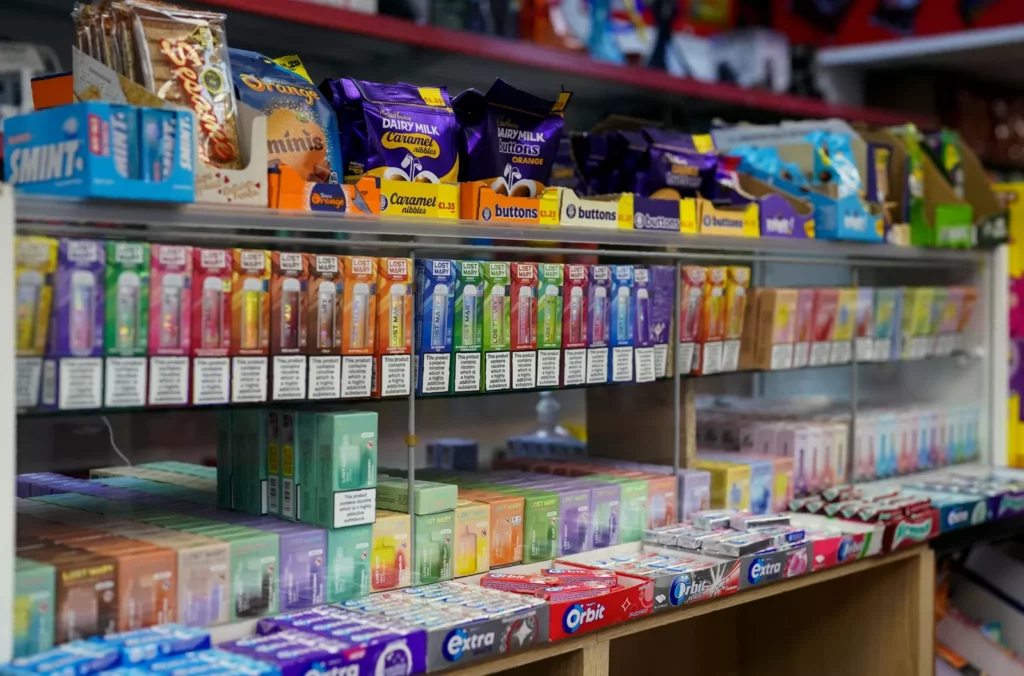
Fruit-flavoured e-cigarettes are not significantly more effective at helping smokers quit than their tobacco-flavoured counterparts, according to a newly released internal memo from the Food and Drug Administration (FDA), a finding that has thrown a harsh light on the agency’s decision last month to authorise the sweet-tasting products for the first time.
The six-page memo, which the FDA posted more than a month after the authorisation was granted, reveals that while smokers using Glas Inc.’s mango and blueberry vapes were more likely to completely switch from cigarettes over a three-month study period, the data showed no “statistically significant differences” between adults using the fruit flavours and those using a tobacco-flavoured e-cigarette. This means the fruit-flavoured products failed to clear the same regulatory bar that the FDA set for other flavoured products it has previously sanctioned, such as menthol vapes from Juul and NJOY. In those earlier cases, the companies had successfully demonstrated that adults using menthol flavours were significantly more likely to reduce or quit cigarettes compared with those vaping tobacco flavours.
The authorisation, which marks the first time the FDA has endorsed the sale of fruit-flavoured vapes as a less harmful alternative to traditional cigarettes, has drawn immediate condemnation from health groups and lawmakers in Washington. Ten Democratic senators sent a letter to the agency last month calling the decision a “shortsighted and reckless decision,” and a chorus of critics — including the American Lung Association, the Truth Initiative, and individual politicians such as congressmen Raja Krishnamoorthi and Dick Durbin — have accused the FDA of ignoring scientific evidence and risking a resurgence in youth vaping. Despite a reported drop in teen vaping rates to a 10-year low, opponents argue that sweet flavours remain highly appealing to children.
The FDA’s own long-standing position has held that fruit and dessert flavours appeal to young people and must therefore demonstrate exceptional public health benefits to justify approval for adults. Federal regulations mandate that companies prove their products benefit public health — typically by helping adult smokers transition away from or quit cigarettes without attracting underage users. Yet in a notable departure from this stance, the FDA’s memo states that the Glas flavoured vapes “did not have to demonstrate added adult benefit” because young people were deemed unlikely to use them.
Age-verification technology as a regulatory loophole
That assessment rested entirely on a technical safeguard: Glas requires each e-cigarette to be unlocked via an age-verifying smartphone app. Users must present a government-issued ID through the app, and the device only operates when paired via Bluetooth to the verified phone. The FDA argued this made it improbable that underage individuals would gain access. However, public health advocates have pushed back, describing such “device access restrictions” as a weak substitute for proven public health policies and pointing out that they can be bypassed.
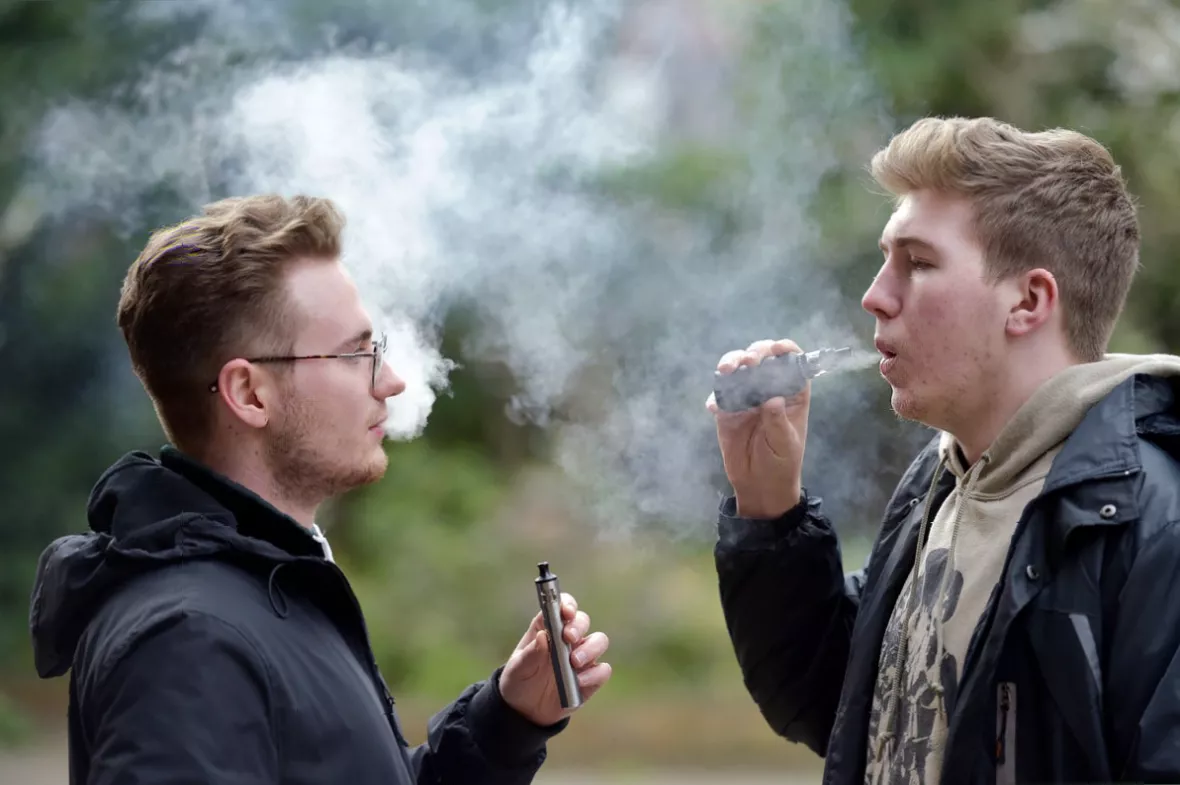
The justification also contradicts recent FDA guidelines, which had advised companies that fruit and dessert flavours would face “a high evidentiary burden” for adult use due to their appeal to children. Tobacco-flavoured products, generally less popular with teens, have typically encountered fewer regulatory obstacles. The agency’s decision to sidestep its own evidentiary standard for fruit flavours has intensified scrutiny of the approval process, particularly given the unusual brevity of the memo. Previous FDA documents detailing new vaping product authorisations have often run to dozens of pages — last year’s memo for Juul’s menthol e-cigarettes exceeded 90 pages and included extensive scientific data from a study involving 50,000 individuals. The Glas memo lacks crucial details, such as the number of smokers included in the firm’s study.
Political pressure and internal reversals
The authorisation path for Glas, a small Los Angeles-based company, was anything but straightforward. The firm initially submitted its marketing request in 2021, only for it to be rejected. In February of this year, FDA scientists reversed course and approved several flavours, but that decision was subsequently blocked by a senior official reporting to then-FDA Commissioner Marty Makary, according to internal memos. The mango and blueberry flavours ultimately received approval during Makary’s final full week leading the agency. He resigned shortly afterward, following months of criticism from industry stakeholders, including tobacco companies that had lobbied the Republican White House for looser regulations on vaping flavours. Reports have indicated that President Trump pressured Makary to approve the flavoured vapes, with the dispute cited as a contributing factor to his departure. Lawmakers have expressed concern that political conflicts of interest, rather than impartial science, may have influenced the decision.
The FDA has authorised a total of 45 e-cigarette products for marketing in the United States, with the Glas products being the latest additions. The agency maintains that no tobacco product is safe and that youth should never use these products. A spokesperson for Glas Inc. could not be reached for immediate comment when contacted on Thursday morning.