

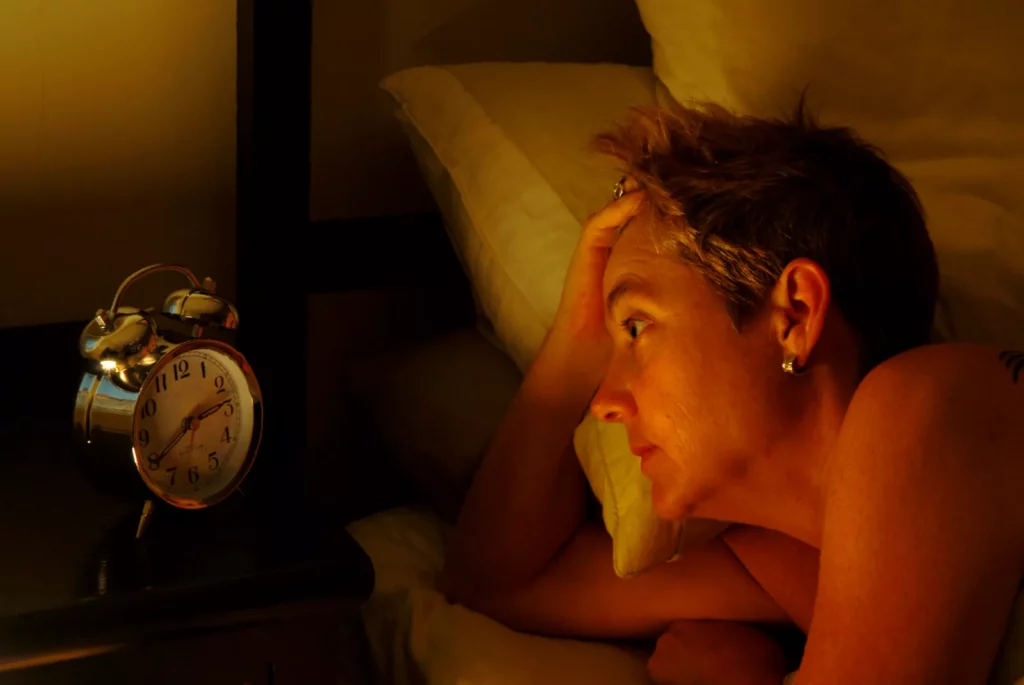
More than eight in ten Britons are now regularly waking up at least once during the night, with the majority finding themselves wide-eyed between 2am and 4am, according to new data that paints a stark picture of the nation’s sleep health.
The Land of Beds 2026 UK Sleep Report, which surveyed 2,004 UK adults, found that 88% of people experience at least one nightly awakening. A separate Dreams survey of 2,000 adults puts the figure even higher for the early hours, with 69% reporting they wake specifically between 2am and 4am. Worse still, 61% of those who wake struggle to fall back asleep afterwards.
The figures represent a marked decline in rest quality. The same Land of Beds report reveals that only 27.9% of Britons achieve the recommended seven or more hours of sleep per night, and just 14.3% wake up feeling consistently refreshed. On average, Brits experience disturbed sleep 3.4 nights per week, and 19% suffer broken sleep every single night. The over-55s are the worst affected, averaging around 3.8 disrupted nights per week.
A separate 2024 Dreams survey indicated that the average time spent in bed was 7.4 hours, with actual sleep averaging only six hours a night. That survey also noted a decline in nightly disturbances — 17% experienced them, down from 21% in 2022 — but the 2026 data suggests the problem has since escalated.
So what is driving these unwanted 2am wake-up calls? Sleep experts point to a combination of stress, poor habits, diet, hormones and underlying medical conditions.
Stress and anxiety: the body’s early alarm
Stress is among the biggest contributors to early-morning waking, according to Dr Deborah Lee, a sleep expert from Doctor Fox. She explains that cortisol, the stress hormone, naturally begins to rise in the early hours as the body prepares to wake. “However, if you’re feeling anxious or under prolonged stress, that rise can happen earlier or more sharply, making it difficult to fall back asleep and creating a cycle of broken rest,” she says.

The 2026 Dreams survey confirms this shift: racing thoughts and a busy mind are now the primary sleep disruptors, affecting 37% of people — a change from 2024, when being too hot was the main culprit. Chronic stress can sustain high cortisol levels, overriding melatonin’s calming signals and keeping the body in a state of heightened arousal, which can manifest as difficulty falling asleep, frequent night waking, or waking unrefreshed.
Dr Lee recommends a consistent wind-down routine, reducing late-night screen use, and keeping a notebook beside the bed to offload racing thoughts if they crop up overnight.
Poor sleep hygiene: the habits that keep you awake
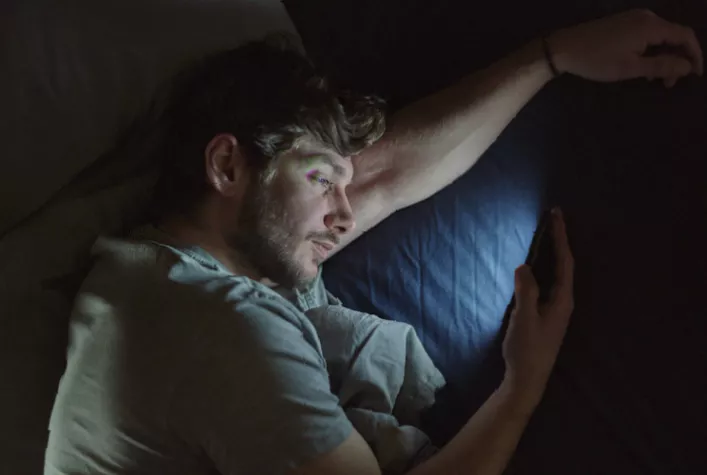
Bad sleep habits are a major factor. Inconsistent bedtimes, staying up too late, going to bed before you feel tired, and staring at a phone for an hour before sleep can all prompt the body to wake at inconvenient hours. The Land of Beds report notes that 91% of UK adults admit to using screens before bed — a habit known to disrupt sleep quality. Almost 68.6% of the UK settles down between 10pm and 10:59pm, but nearly one in five are still awake past midnight.
Stephanie Romiszewski, a sleep physiologist and director of the Sleepyhead Clinic — who has worked with institutions including NASA and Harvard Medical School — offers clear, actionable advice to tackle an uneven sleep cycle. “Wake up at the same time every day, and don’t get in bed until you feel sleepy,” she says. “You’ll notice that if you’re waking up at the same time every day, that will start to become your regular time. That’s the order in which you need to do it.”
She stresses the importance of not letting a sleep problem rule your life. Keeping up with exercise and social time is vital. “We need to actually allow our brains to understand the only opportunity to sleep will be the usual nighttime,” she explains. “As soon as we start adapting our entire lives to a sleep problem, we actually end up making it worse.”
Romiszewski is emphatic that relaxation is not a cure for an existing sleep problem. “Doing things for relaxation and anxiety reduction can be a very proactive tool to making sure you don’t get sleep problems, but it is not a reactive one,” she says. “If you have a sleep problem and are waking up at 3am or 4am every single night, that is habitual. Unfortunately, it is not going to be changed by relaxing before you go to bed. It will be a very pleasant way to spend your evening and that’s important for keeping your anxiety or worry levels low — but actually it’s doing very physical, actionable things with your sleep [like creating a routine] that will get you back on track.”
Blood sugar, alcohol and diet
What you eat and drink can also trigger early awakenings. “Low blood sugar during the night can trigger the release of adrenaline and cortisol, both of which may wake you in the early hours,” says Dr Lee. This is more common in people who skip meals, eat very light dinners, or consume insufficient protein during the day. When the body senses an energy dip, it may respond by increasing alertness.
Alcohol, meanwhile, can cause “rebound insomnia”. Although it may initially help you fall asleep faster, as it metabolises during the night it reduces time spent in deeper sleep stages, acts as a diuretic (making you more likely to get up to urinate), and relaxes throat muscles — potentially lowering blood oxygen levels and waking you up. Dr Lee recommends avoiding alcohol for at least six hours before bed and eating a balanced diet with adequate protein and healthy fats to help stabilise overnight energy levels.
Hormonal changes and underlying conditions
Hormones also play a major role in sleep regulation, according to Dr Lee. Menopause, perimenopause and pregnancy can all lead to night-time waking due to fluctuating oestrogen and progesterone levels, which contribute to night sweats, temperature sensitivity, anxiety and physical discomfort. “Small environmental adjustments and supportive routines can make a meaningful difference,” she says.
In some cases, an underlying medical condition is the cause. Conditions linked to early-morning waking include depression, sleep apnoea, gastroesophageal reflux disease (GERD), low blood sugar, frequent urination, restless legs syndrome (RLS), and chronic pain conditions such as arthritis, fibromyalgia and peripheral neuropathy. Sleep apnoea, characterised by pauses in breathing, loud snoring and daytime fatigue, is a serious concern. Restless legs syndrome, an irresistible urge to move the legs that worsens in the evening, is more common in women and can develop at any age, becoming more prevalent after menopause.

Dr Lee advises anyone who notices physical symptoms alongside broken sleep — such as sudden need to urinate, faintness, headache, cough, pain, or a partner reporting snoring or breathing difficulties — to seek medical advice. Certain medications can also affect sleep, so a chat with a GP is recommended if any concerns arise.
When to seek professional help
Is it normal to wake at 2am or 3am? It depends on the cause. Temporary disruption is usually normal, especially during life changes or stress. “Our brains are just trying to adapt,” says Romiszewski. “Sleep is just adapting to all these different situations. It’s no wonder that in the short term our sleep can act a bit funny and we just need to let it, and then let it go back to normal.”
However, persistent problems require medical intervention. “If it’s been over three months, then absolutely go to the GP,” she warns. “If you haven’t changed anything [in your life] — and it’s becoming cumbersome and affecting you consistently, we would suggest that it is definitely time to contact your GP.” After three months, any sleep problem can become habitual — a pattern for the brain. “At that point, no amount of getting rid of the original trigger is going to get rid of the problem. You may get rid of the stress, for example, but the sleep [issue] can remain. That’s when you need insomnia treatment, such as Cognitive Behavioural Therapy (CBT), to help change the behaviour pattern — for which you’ll need to see your GP or a sleep expert.”
Cognitive Behavioural Therapy for Insomnia (CBT-I) is recommended by the National Institute for Health and Care Excellence (NICE) as the gold standard treatment for chronic insomnia. It involves identifying and modifying unhelpful thoughts and behaviours that disrupt sleep, and can be delivered through individual or group therapy, or via digital platforms such as the Sleepio app. CBT-I aims to treat chronic sleep disturbances within approximately eight weeks.