

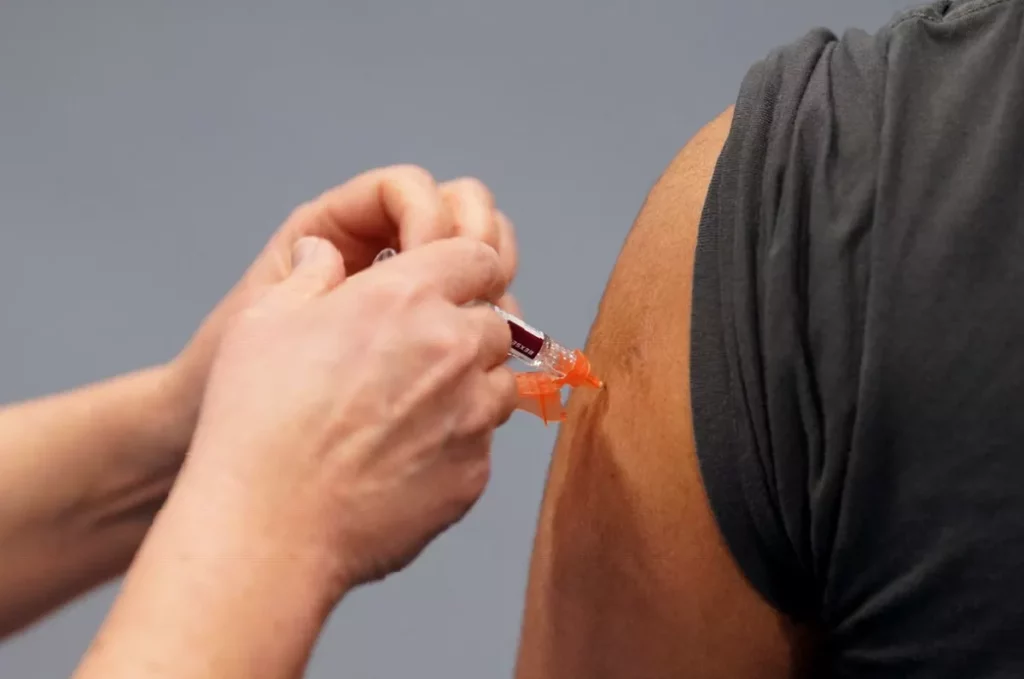
Around a million young people will be offered a meningitis B vaccine this autumn in a one-off programme aimed at protecting those at the highest immediate risk, the government has announced. The initiative, which provides two doses of the Bexsero jab, is a direct response to a series of outbreaks across England, including a cluster in Kent that claimed the lives of two teenagers.
Eligibility and vaccination schedule
The programme targets Year 13 pupils finishing their final year of school this summer, as well as anyone under 25 beginning university or moving into residential further education for the first time in autumn 2026. In England and Wales, eligibility covers those born between 1 September 2007 and 31 August 2008; in Scotland, between 1 March 2008 and 28 February 2009; and in Northern Ireland, between 2 July 2007 and 1 July 2008. International students under 25 entering their first year of university are advised to receive their first dose in their home country where possible. Individuals who have completed a course of MenB vaccination within the past five years will not require further doses.
The first dose will be available from 20 July, with the second given in August at least 28 days later. Full protection develops two weeks after the second dose. Those unable to receive their second dose in August due to holidays can still get it in September, with community pharmacists delivering the programme. Year 13 pupils will be contacted via the NHS app, text, or letter; other eligible individuals can book appointments directly with pharmacies.
Why university students face higher risk
First-year university students are at substantially greater risk of contracting MenB compared with their non-university peers, according to the UK Health Security Agency. Cases typically peak in October and November, shortly after students move into halls of residence and shared accommodation. Health officials point to close and prolonged contact in dormitories, shared kitchens, and social settings as key factors that drive transmission. The bacteria, which can cause meningitis and septicaemia, is fatal in up to 10 per cent of cases, said England’s deputy chief medical officer Dr Thomas Waite.
The decision to target this group follows a cluster in Kent earlier this year described as the fastest-growing and largest seen in the UK. As of 1 April 2026, 21 confirmed cases of invasive meningococcal disease linked to Canterbury had been reported, all of them MenB. Eighteen cases involved a specific outbreak strain, and all 21 patients were hospitalised. Two teenagers, including 18-year-old Juliette Kenny, died. Subsequent smaller clusters in Dorset and Berkshire also exceeded expectations, involving different MenB strains that would have been covered by the Bexsero vaccine.
Dr Shamez Ladhani, a consultant epidemiologist at UKHSA, said the recent increase in clusters may reflect low population immunity against MenB, noting that meningococcal disease cycles typically span 20 to 30 years. While he acknowledged that Covid lockdowns could have played a role, he said it was difficult to prove definitively. The MenB vaccine has been part of the routine NHS infant programme since September 2015, but children born before May 2015 were not eligible, leaving many older teenagers and young adults unvaccinated.
Health Secretary James Murray said the Kent outbreak and recent clusters indicated “a possible change to the way MenB affects people”. He added: “While we assess the latest evidence, we are acting now to help protect young people at highest immediate risk as they enter university and residential colleges this autumn.” The Joint Committee on Vaccination and Immunisation is currently preparing advice for ministers on whether a broader and more permanent programme for young people is necessary.
Dr Tom Nutt, chief executive of the charity Meningitis Now, welcomed the announcement as “a great step forward in the fight against meningitis in the UK” and a “good practical and pragmatic response”. However, Vinny Smith, chief executive of the Meningitis Research Foundation, described the programme as only a “step towards closing the UK’s MenB protection gap”. He cautioned: “A one-off programme will not fully close that gap – teens and young adults who fall outside the current eligibility criteria remain at risk of MenB. That is why we will continue to make the evidence-led case for routine NHS access for them, including seeking clarity from Government and the JCVI on what happens next.”