

The extraordinary lifespan of Sardinia’s centenarians is not a matter of luck but a direct consequence of diet and community, according to the chef Francesco Mattana, whose new cookbook distils the island’s secrets into everyday practice. In Sardinia, one of the world’s five official Blue Zones – regions identified by National Geographic explorer Dan Buettner in the early 2000s where residents consistently live past 100 – the combination of fresh, seasonal ingredients and deep social bonds creates a culture in which ageing well is the norm rather than the exception.
Blue Zones: Where longevity is engineered into daily life
The term “Blue Zone” was coined by Buettner after researchers Gianni Pes and Michel Poulain drew blue circles on a map to mark Sardinian villages with an unusually high number of centenarians. The five recognised Blue Zones are Sardinia, Okinawa in Japan, the Nicoya Peninsula in Costa Rica, the Greek island of Ikaria, and Loma Linda in California. Studies of these regions show that lifestyle and environment account for approximately 80 per cent of how long a person lives, with genetics playing a smaller role – a finding supported by the Danish Twin Study. Buettner’s team distilled nine common lifestyle habits, known as the Power 9® principles, which include a plant-slant diet, moderate alcohol consumption, moving naturally, having a sense of purpose, reducing stress, and maintaining strong social connections.
Sardinia’s inclusion among these longevity hotspots is a source of considerable pride for Mattana, a chef who learned his craft from his grandfathers. “When I was a child, both of my grandads, one was a fisherman, and one was a farmer, so I was lucky enough to have the freshest vegetables and meat and the freshest fish,” he explained. Those formative years left him with vivid memories: his grandfather returning from the fishing village laden with the day’s catch, the extended family gathering in the courtyard, and young Francesco tasked with chasing crabs scuttling across the garden. “Those memories, they build up, and they stick with me,” he said. For Mattana, food was never merely about sustenance – it represented connection, tradition and a way of life shared with loved ones under the Mediterranean sun. That philosophy forms the foundation of his new cookbook, Eat Like A Sardinian: Live to 100, which features 90 home-cooking recipes and draws directly on the lessons of his childhood.
The specific ingredients and habits that underpin Sardinian longevity
The traditional Sardinian diet is predominantly plant-based, built on whole grains such as barley and sourdough bread, legumes including fava beans, chickpeas and lentils, and a wide variety of seasonal vegetables. Meat is typically reserved for Sundays or special occasions, and fish is consumed less frequently than in other Mediterranean diets because of the island’s historical inland isolation. Dairy comes from locally raised sheep and goats: pecorino cheese made from grass-fed sheep is a staple, noted for its high omega-3 fatty acid content, while goat’s milk is also common. Olive oil serves as the primary source of fat, and mastic oil is used in some parts of the island.
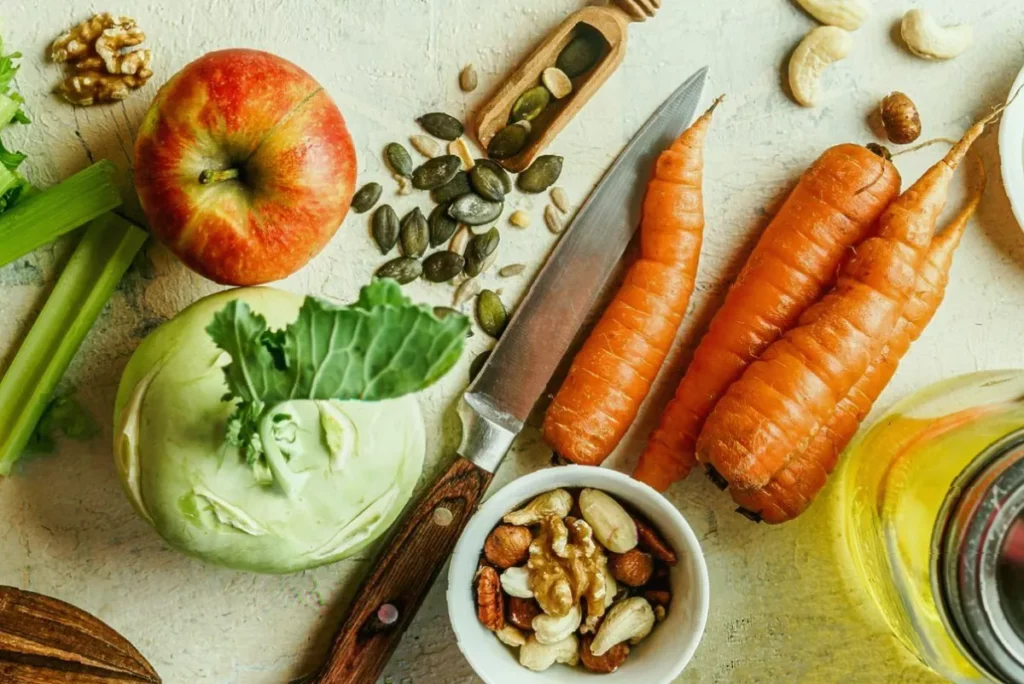
Raw vegetables hold a special place in Sardinian culinary tradition. “Raw vegetables – for us, raw vegetables are a celebration because you get the best nutrition if you don’t cook them,” Mattana explained. This reverence extends to even the most upmarket restaurants, where diners routinely order platters of fresh, uncooked produce. The scientific rationale is that raw vegetables retain more water-soluble vitamins – particularly vitamin C and B vitamins – and phytochemicals such as flavonoids, though cooking can increase the bioavailability of some nutrients like lycopene in tomatoes and beta-carotene in carrots. The Sardinian approach favours methods that minimise nutrient loss, such as steaming, blanching, sautéing, roasting or microwaving.
The island’s signature minestrone soup exemplifies the principle of seasonal adaptability. Spring brings asparagus, broad beans and peas; summer calls for ripe tomatoes and fragrant basil; and the dish is prepared throughout the year with whatever ingredients nature provides. A nutritional transition began in the 1960s as economic development increased consumption of meat, olive oil and fresh fruit while reducing lard, legumes and vegetables, but the change has been slow because of Sardinia’s persistent rural profile.
Wine also plays its part, particularly the local Cannonau variety. “We prioritise quality over quantity when it comes to this type of wine – it’s very high in antioxidants – Cannonau has two to three times the amount of flavonoids, a type of antioxidant, compared to any other red wine,” Mattana said. Studies suggest that resveratrol, a polyphenol abundant in Cannonau, is linked to heart health and longevity through anti-inflammatory and anti-aging properties, including reducing arterial plaque buildup and improving blood circulation. Sardinians traditionally consume one to two glasses per day with meals and in social settings, though some research indicates that red wine intake may not be directly correlated with exceptional longevity in all parts of the island, with other sources of polyphenols such as coffee also contributing.
Beyond diet, lifestyle factors are critical. Strong social bonds are a defining characteristic of Sardinian culture; research has shown that people with strong social connections have a significantly higher chance of survival, with loneliness being as detrimental as smoking or alcoholism. Sardinians integrate physical activity into daily life through farming, shepherding, walking hilly terrain and manual labour – they “move naturally” rather than exercising formally. A clear sense of purpose, sometimes referred to in Japan as ikigai, is linked to lower stress levels and reduced disease risk. Rituals such as prayer, napping and “happy hour” contribute to a balanced life, and elders remain active in family and community life.
Mattana believes anyone can embrace Sardinian eating principles regardless of where they live. The key, he says, is developing a genuine relationship with local produce. “See what’s around you: in Italy, especially in Sardinia, we have this concept called Kilometre 0 – go to your local shop, go to the Sunday farmers’ market, see what’s in season, get excited. Talk to the butcher, talk with the fishmonger. Get advice from them.” Simplicity is paramount: ingredients that have travelled shorter distances will taste superior and deliver greater nutritional benefit. The final element involves gathering others around the table. “So, if you combine those things – making it very simple, inviting people around the table, have fun with it, make mistakes – you can enjoy the process just as much as the result.”