

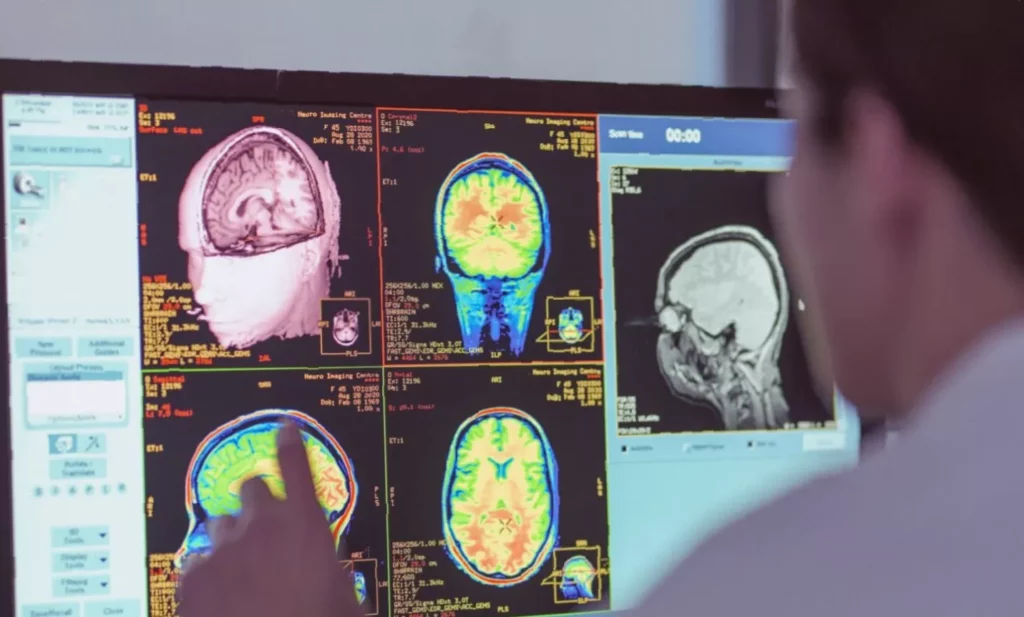
Lithium, a drug long used to stabilise the moods of people with bipolar disorder, may prove to be a crucial weapon against Alzheimer’s disease, with researchers now suggesting that a deficiency of the naturally occurring mineral could even be a contributing factor to the development of the condition.
Around 20 years ago, the first hints emerged that lithium might have a role in dementia. Studies found that bipolar patients who were already taking lithium had lower rates of dementia, and that people living in areas with naturally higher levels of lithium in their drinking water were also less likely to develop the disease. A small randomised trial subsequently indicated that low doses of lithium might slow the rate at which people progress from mild cognitive impairment — an early stage of memory loss and confusion — to full Alzheimer’s. Larger trials are now needed to confirm whether the effect is genuine, but the evidence has prompted a renewed wave of scientific interest.
The emerging case for a lithium deficiency
Lithium is a chemical element, present in tiny amounts in food and water, and a recent review published in JAMA Psychiatry argued that it could be seen as an essential mineral component of the diet, similar to iron or zinc. The review, led by Professor Husseini Manji, a psychiatrist at the University of Oxford, proposed that a lack of lithium may be partly responsible for the memory problems that come with ageing and can progress into Alzheimer’s.
This “lithium deficiency disease” hypothesis is supported by laboratory findings. Research has shown that lithium levels are significantly lower in the brains of people with mild cognitive impairment and Alzheimer’s compared with those who have healthy cognition. One proposed mechanism is that as amyloid plaques — the sticky protein clumps characteristic of Alzheimer’s — begin to form in the early stages of dementia, they bind to lithium and sequester it, making it less available to protect neurons. The trapping of lithium appears to worsen as the disease progresses. In mouse models, a diet deficient in lithium accelerated the formation of both amyloid plaques and tau tangles, increased brain inflammation, led to the loss of synaptic connections and hastened cognitive decline. Restoring lithium levels in those mice reversed the pathological changes and improved memory.
The fire on Oxgate Lane, Brent, is now under control.
Crews have worked hard over night to contain the flames, and will continue through the morning to extinguish the remaining pockets of fire.
(Photo from earlier in the incident)https://t.co/6Mb88Xkqxg pic.twitter.com/hzdExkN0vw
— London Fire Brigade (@LondonFire) June 12, 2026
How lithium might combat Alzheimer’s
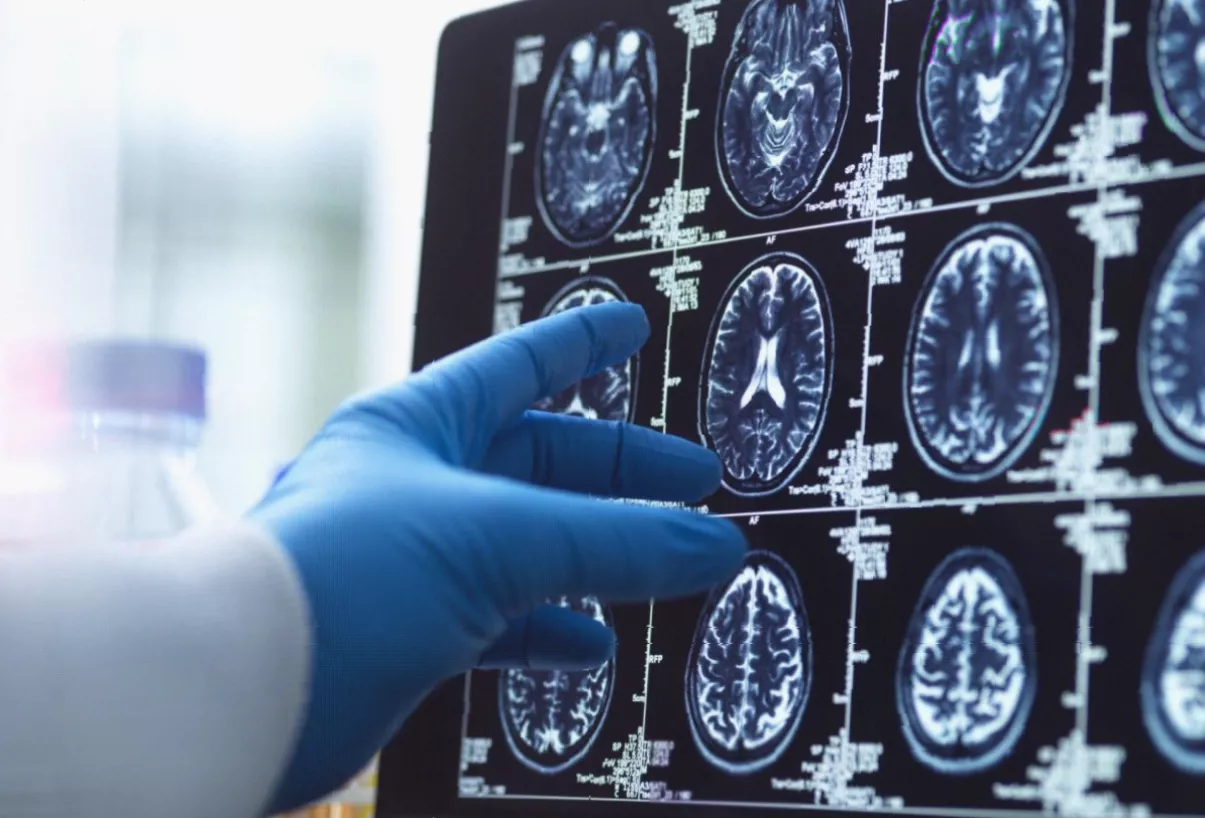
Lithium appears to act through several biological pathways that could protect the brain against Alzheimer’s. The leading theory is that it inhibits the production of two proteins central to the disease: amyloid and tau. Lithium achieves this by suppressing enzymes such as BACE1 and GSK-3β, which are involved in the cleavage of the amyloid precursor protein and the phosphorylation of tau, respectively.
Beyond blocking the formation of these hallmark proteins, lithium also demonstrates a range of neuroprotective properties. It reduces programmed cell death, inflammation and oxidative stress, while boosting levels of other compounds that promote the survival of brain cells. It may also enhance mitochondrial function — the energy-producing centres of cells — and has been proposed to restore impaired autophagy, the cell’s waste-clearing process, by normalising calcium dysregulation, thereby restoring neuronal and synaptic functions.
The chemical form of lithium matters. The most common medical formulation, lithium carbonate, has a narrow therapeutic window and can become trapped within amyloid plaques, limiting its bioavailability in the brain. An alternative, lithium orotate, is an organic salt that appears to bypass this sequestration, leading to higher concentrations in the brain and potentially reduced toxicity. In mouse models, lithium orotate has shown promise in reversing Alzheimer’s pathology and restoring memory. It is available as an over-the-counter supplement, typically in doses of five to ten milligrams of elemental lithium, but its long-term safety and efficacy in humans are not yet established.
A long and unusual history
Lithium’s medicinal journey stretches back more than a century. In the 1800s, it was known to be present in some mineral-rich springs that were claimed to be good for health. The chemical was once an ingredient of the soft drink 7Up, marketed as Lithiated Lemon Soda, and in the 1940s lithium chloride was briefly sold as a table salt substitute in the United States. Those products were banned in 1949 as people started to fall ill and even die from consuming too much lithium.

Around the same time, however, psychiatrists were discovering that when the dose was properly controlled, lithium could be of great help for what was then known as manic depression, now called bipolar disorder. In this condition, people cycle between periods of euphoric, energetic mania and crushing depression. Doctors still do not fully understand why lithium works, but for many patients it eases both poles of the mood swing.
Its main drawback is toxicity. At too-high levels, lithium can damage the heart and kidneys, so patients require regular blood tests to ensure the dose is correct. Because bipolar disorder can be so devastating, lithium carbonate remains the first-line medicine doctors recommend. Professor Rob Howard, a psychiatrist at University College London, described it as “the drug with the most evidence of benefits in helping people with bipolar disorder to stay on an even keel”. Lithium is also used, though not specifically approved for the purpose, to improve mood in people with ordinary depression who do not respond to standard antidepressants such as SSRIs.
Supplement concerns and the need for more research
Last year, the journal Nature published an article titled “Does lithium deficiency contribute to Alzheimer’s disease?”. Meanwhile, lithium is already being sold as a supplement. According to a survey by Dr David Cousins, a psychiatrist at Newcastle University, people typically buy it because they believe it improves their mood or mental abilities. However, as with all supplements, it is unclear whether lithium really is effective or whether it could simply be having a placebo effect.

The dose in a supplement is much lower than that prescribed for bipolar disorder, but Dr Cousins has urged caution. Lithium supplements come in different chemical forms, and some may lead to higher levels in the body than others. Lithium orotate, for instance, is claimed to achieve higher concentrations in the brain relative to other organs. Dr Cousins recently conducted brain scans of nine supplement takers, which showed that they did have lithium in their brain at very low levels, but there was marked variation between individuals, suggesting that people may process the chemical differently. “This is why I’m a bit cautious about this,” he said. “I think there is a lot to learn yet about it.”
One complication is that older adults may experience toxicity at lower blood levels than younger people. High levels can cause confusion, tremors, vomiting and, in severe cases, seizures, coma or death. Dr Cousins believes it is premature for people to be self-medicating with lithium in this way.
Ultimately, the only way to learn more is through larger randomised trials. Professor Manji is now planning such a trial using a dose about a third of that used for bipolar disorder — low enough to avoid side effects but still higher than typical supplement doses. If lithium does prove effective against Alzheimer’s, Professor Howard noted that it would be far more useful than the expensive antibody infusions that have so far been approved. Because lithium is a chemical element and not under patent, it is relatively cheap. “Lithium is something that lots of us are genuinely excited about,” he said.