

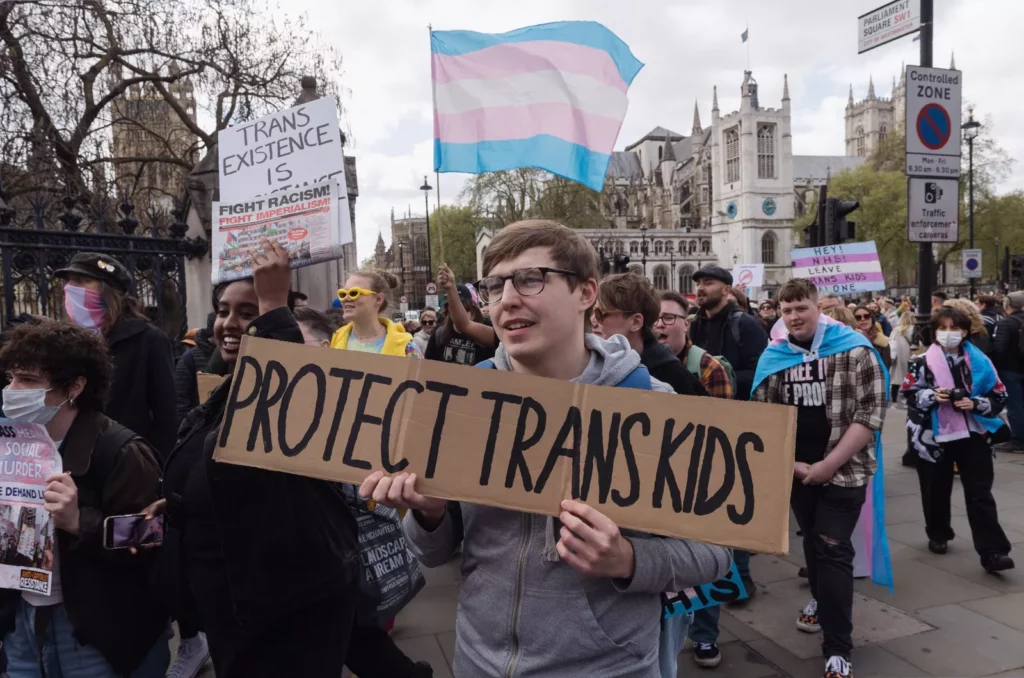
A rogue GP practice in Brighton prescribed puberty blockers to children as young as 11, an NHS investigation has found, exposing a pattern of care that fell “far short of what could be considered safe or appropriate” and may have harmed 78 young patients.
The damning report, published today by NHS Sussex and NHS England, covers the period from January 2023 to December 2025 and examines the activities of the WellBN practice, which operates three clinics in Sussex. Clinicians at the practice were not professionally qualified or commissioned to provide gender services for under-18s, yet they prescribed powerful gender-affirming medications to children and young people from across the country. Doctors from the clinic have been referred to the General Medical Council, and one GP has been suspended as a result of the investigation.
Investigators found that 44 children received puberty blockers — which pause natural puberty — and 51 received cross-sex hormones, which induce characteristics of the opposite sex such as facial hair, a deepened voice in natal females, or breast development, reduced muscle mass and reduced fertility in natal males. Some children received both. In total, 58 of the 78 children received their first gender medication before the age of 16.
The youngest patient was 11 years old, prescribed puberty blockers by the practice. A further 11 children received puberty blockers aged 12. In 22 instances, powerful gender drugs were prescribed before children had even been seen face-to-face.
“Wholly inadequate” assessments and missing consent
The report’s most serious findings relate to consent and the absence of proper assessments. Reviewers said there had been a “wholly inadequate assessment” of children before medication was prescribed and concluded the practice was incapable of carrying out proper assessments because it lacked the range of specialists required by NHS gender services.
Only 23 fully completed consent forms could be located among the 78 cases reviewed. A child or young person’s ability to consent — known as Gillick competence, a legal principle allowing under-16s to consent to their own treatment if they demonstrate sufficient understanding — was confirmed in just six cases. For 50 children under 16, there was no express confirmation of their ability to understand the risks and benefits of the treatment.
Investigators also found only four children had been referred to fertility specialists. Records contained what the report described as an “inaccurate and misleading claim” that any impact of gender medication on fertility was completely reversible.
The report states: “There is considerable concern that medications were prescribed for children … without obtaining properly informed consent from the children/young people and their parents.”
Beyond consent, the investigation highlighted “poor and disorganised record keeping,” with key information scattered across emails and messaging systems rather than properly documented in medical notes. Blood tests and other necessary monitoring were often not carried out, putting children’s physical health at risk, the report found.
Of particular concern, the report noted that 53 of the 78 children had possible neurodevelopmental disorders, such as autism spectrum disorder, but there was no reference to the GP considering whether this could have an impact on the child or young person’s gender distress. Research has indicated a frequent co-occurrence of neurodevelopmental disorders in youth with gender dysphoria, underscoring the need for specialist multidisciplinary assessment.
Investigators also described as “of significant concern” the fact that emails from a practice care coordinator advised families to avoid contact with social services in case questions were asked about gender medication.
Despite these failings, the report acknowledged that staff had a “genuine desire and commitment to help distressed children and families” who were facing lengthy waits for NHS treatment. However, it concluded that the absence of proper assessment risked a premature and inexorable commitment to a medical pathway with potentially irreversible consequences.
Legal challenges and wider context
WellBN is the subject of multiple legal challenges from parents who believe their children were treated by its trans health hub without their knowledge or proper consent. A lawyer with ties to anti-abortion and gender-critical organisations, Paul Conrathe, initiated legal action against the practice, challenging the application of Gillick competence in these cases.
The clinic previously said it was “confident any young patient under 18 is assessed in accordance with good medical practice” and defended its prescribing of hormones based on an “informed consent pathway” which it said sets out the “risks, potential side-effects and reversible and irreversible intended effects of hormone therapy.” Since the investigation, WellBN has ceased initiating new prescriptions for under-18s for gender dysphoria and is withdrawing prescriptions for existing young patients.
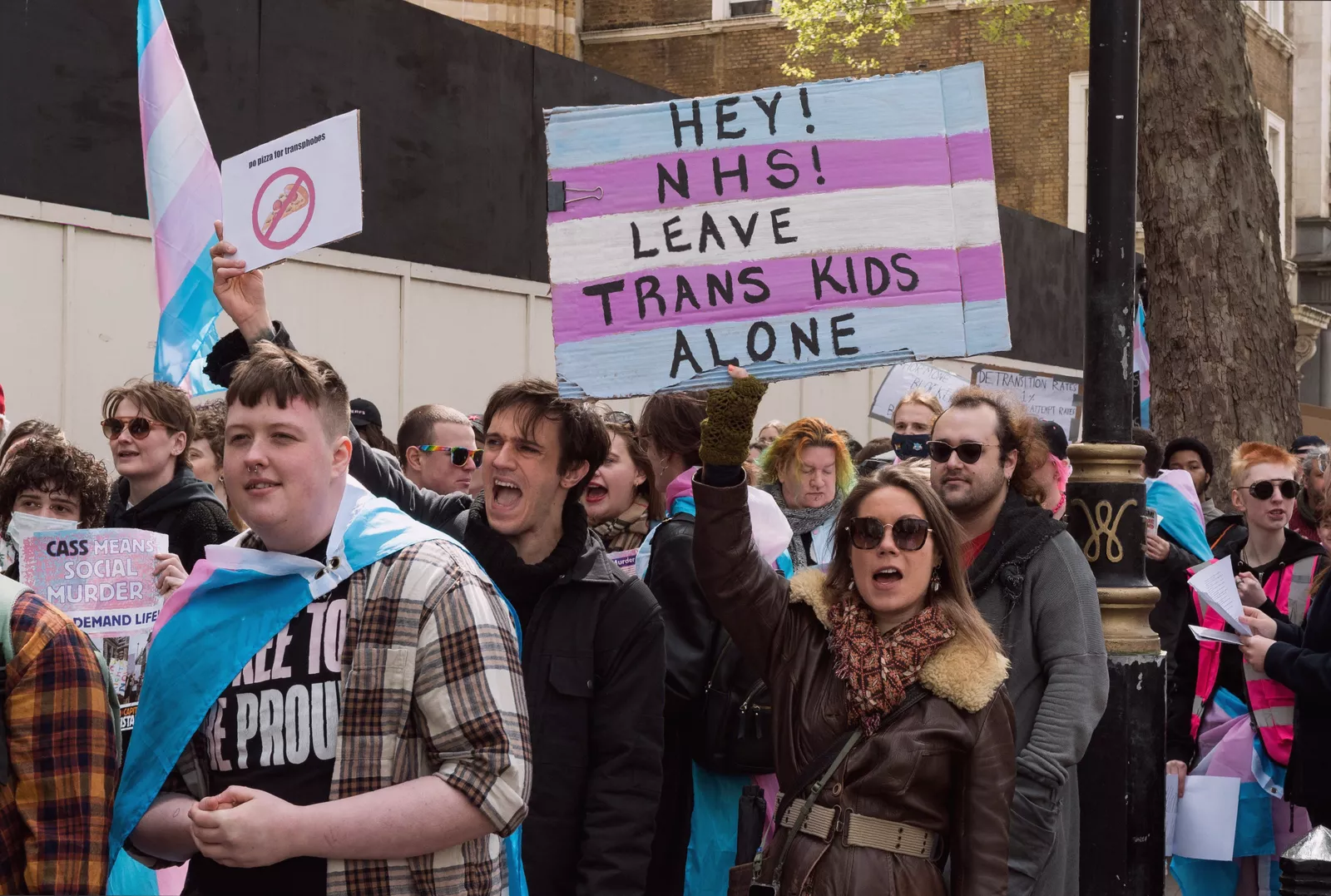
The findings echo concerns raised in the landmark Cass Review, led by paediatrician Baroness Hilary Cass, which concluded that children with gender distress should receive a holistic assessment from specialist multidisciplinary teams rather than being fast-tracked onto a medical pathway. The Cass Review found a “weak evidence base for puberty blockers and hormones in under 18s” and a lack of good quality evidence on detrimental effects on bone health, fertility, sexual development, brain development, sexual function and future mental health.
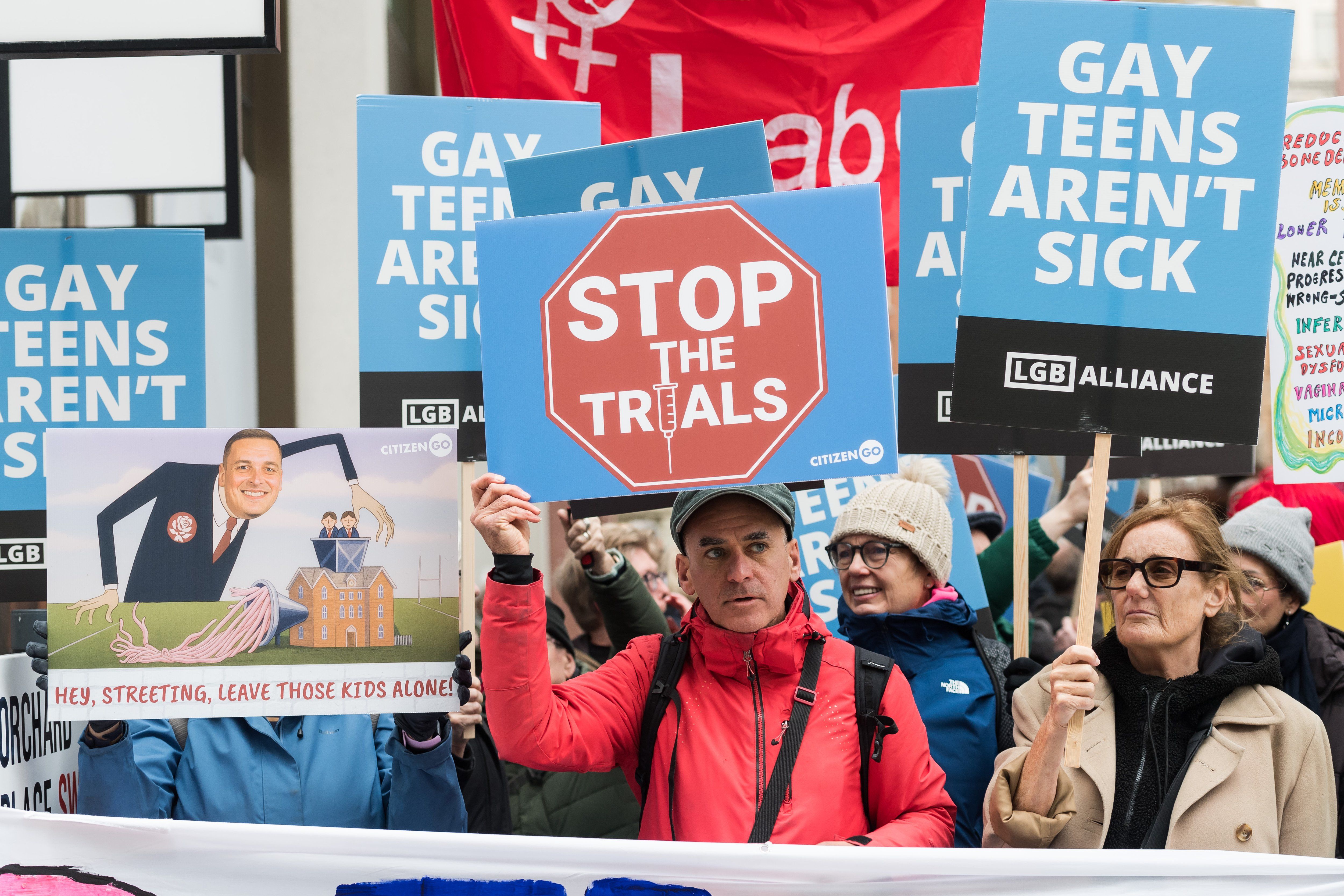
Following the Cass Review, the NHS stopped the routine prescription of puberty blockers to under-18s in March 2024. In December 2024, Health Secretary Wes Streeting made the temporary ban indefinite, citing an “unacceptable safety risk” based on advice from the Commission on Human Medicines and the Cass Review. The ban applies to both NHS and private prescriptions, except for those within clinical trials. Mr Streeting also urged “extreme caution” in prescribing cross-sex hormones to under-18s.
Dr Louise Irvine, co-chair of the Clinical Advisory Network on Sex and Gender, said: “This is a damning report on the activities of a ‘rogue’ GP gender clinic which was dishing out hormones to children without competence or care as to the harm they were doing — not proper assessment, monitoring or record keeping or accountability.”
She added: “Quite rightly the GPs involved are being referred to the GMC. But what of the authorities that knew about this practice for years and did nothing to protect children from harm — the Integrated Care Board, the GMC and others? There must be accountability if lessons are to be learned. No doubt there are other GPs who have been involved in similar practices and they must now take note and cease completely. Never again should we put children’s health and wellbeing at risk in the interests of a non-evidence based and dangerous ideology.”