

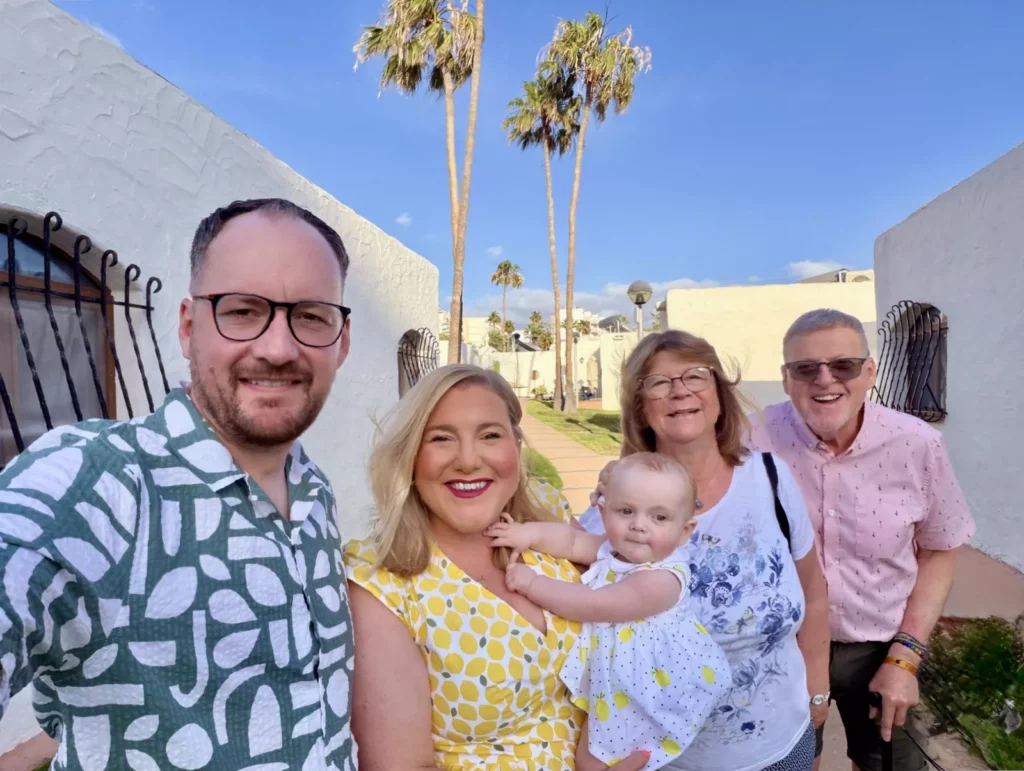
Tony Newitt, a 71-year-old cancer survivor from Warwickshire, feared he would never walk again – or see his granddaughter Isabelle grow up – after being struck down by Guillain-Barré Syndrome, a rare autoimmune disorder that left him paralysed from the neck down.
Diagnosis and treatment
Mr Newitt was diagnosed with bowel and liver cancer in 2024, but scans later showed no signs of the disease. In March 2025, shortly after his final chemotherapy session, he collapsed at home. He was rushed to University Hospitals Coventry and Warwickshire NHS Trust, where doctors diagnosed Guillain-Barré Syndrome – a condition in which the immune system attacks the myelin sheath that insulates peripheral nerves, disrupting signals between the brain and muscles.
Guillain-Barré Syndrome affects roughly 1.1 to 1.8 people per 100,000 globally, and about 1,300 people in the UK each year. There is no cure, but treatments are designed to reduce the severity of the immune attack and speed recovery. Mr Newitt received two therapies derived from donated plasma: intravenous immunoglobulin (IVIG) and therapeutic plasma exchange, also known as plasmapheresis.
Over ten days he underwent five IVIG infusions and five plasma exchanges. IVIG supplies a concentrated dose of antibodies from healthy donors, which helps calm the overactive immune response. Plasmapheresis physically filters the harmful antibodies attacking the nerves out of the blood. Within days his symptoms stabilised, allowing him to begin physiotherapy.
A remarkable recovery
Despite being told it was unlikely he would ever walk again, Mr Newitt spent six months at Leamington Rehab Hospital and walked out of the facility in October 2025. He has since been able to rebuild his life, including taking his first family holiday abroad in three years. He credits the plasma-derived treatments as the “only reason” he has been able to do so.
Recovery from Guillain-Barré Syndrome varies significantly. Most people improve within weeks or months, and many regain independent walking within six months. A full recovery can take between six and 18 months, or up to three years for some. Between 20 and 40 per cent of survivors experience lasting symptoms such as chronic fatigue, neuropathic pain, anxiety or depression, and 7 to 15 per cent may have permanent muscle weakness. Modern treatment has high survival rates – around 85 to 95 per cent – and mortality in the acute phase is low, at 5 to 8 per cent, often due to complications such as pneumonia or sepsis.
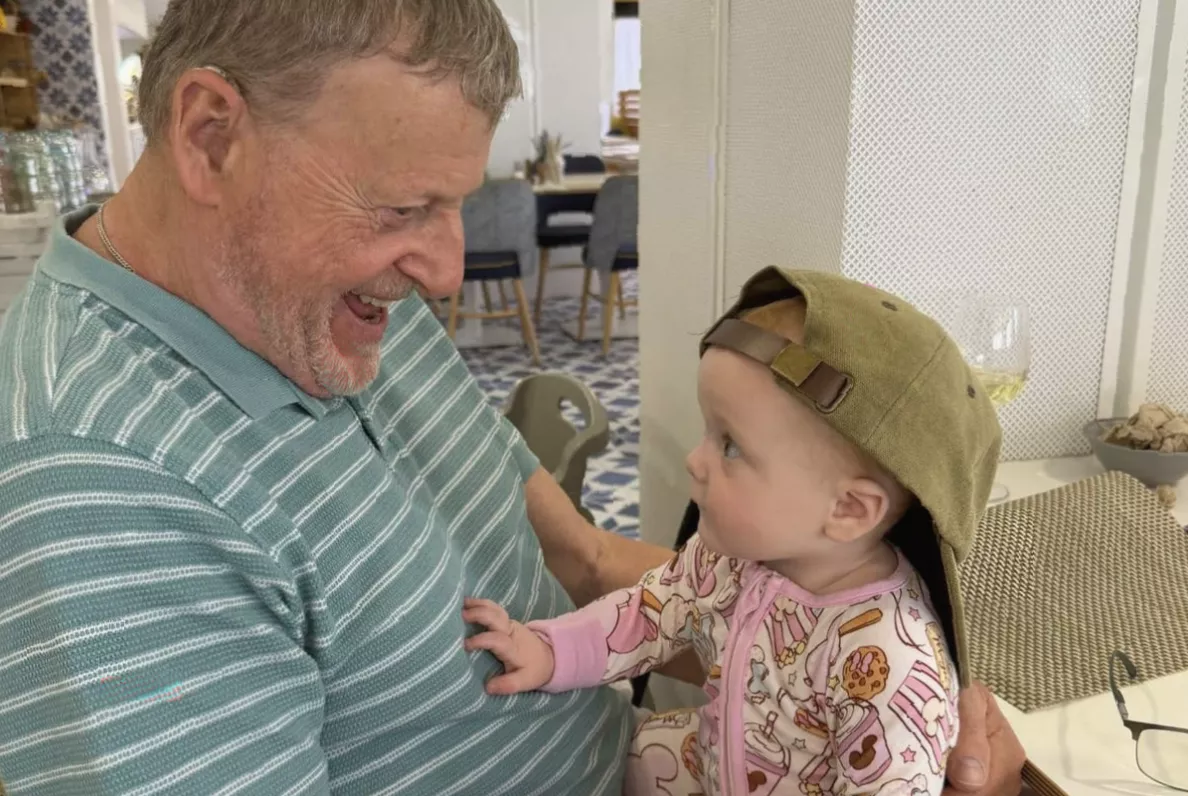
A call for plasma donors
Now Mr Newitt and his daughter, Lauren Marshall, 37, are urging the public to donate plasma so that others can receive the same life-saving treatment. Ms Marshall, a regular plasma donor, has described plasma as “liquid gold”.
Plasma – the liquid component of blood that carries cells, antibodies and proteins – is used to make a range of essential medicines. One course of treatment for a patient with Guillain-Barré Syndrome requires 56 plasma donations, while a person with a primary immune disorder needs around 130 donations annually. An estimated 17,000 people in England rely on plasma-derived medicines each year.
NHS Blood and Transplant (NHSBT) is working to reduce the UK’s historical reliance on imported plasma. A ban on using UK plasma for immunoglobulin medicines, imposed in 1998 over concerns about variant Creutzfeldt-Jakob disease, was lifted in February 2021, and a similar ban for albumin medicines was lifted in June 2023. The first medicines made from UK-donated plasma reached NHS patients in March 2025, after more than 25 years. NHSBT aims to increase self-sufficiency in immunoglobulin medicines to 35 per cent by 2030.
Dedicated plasma donor centres are now operating in Birmingham, Reading and Twickenham. Mr Newitt and his daughter hope that sharing his story will encourage more people to come forward. “Without those donations I would not be here,” Mr Newitt said. “Plasma gave me my life back.”