

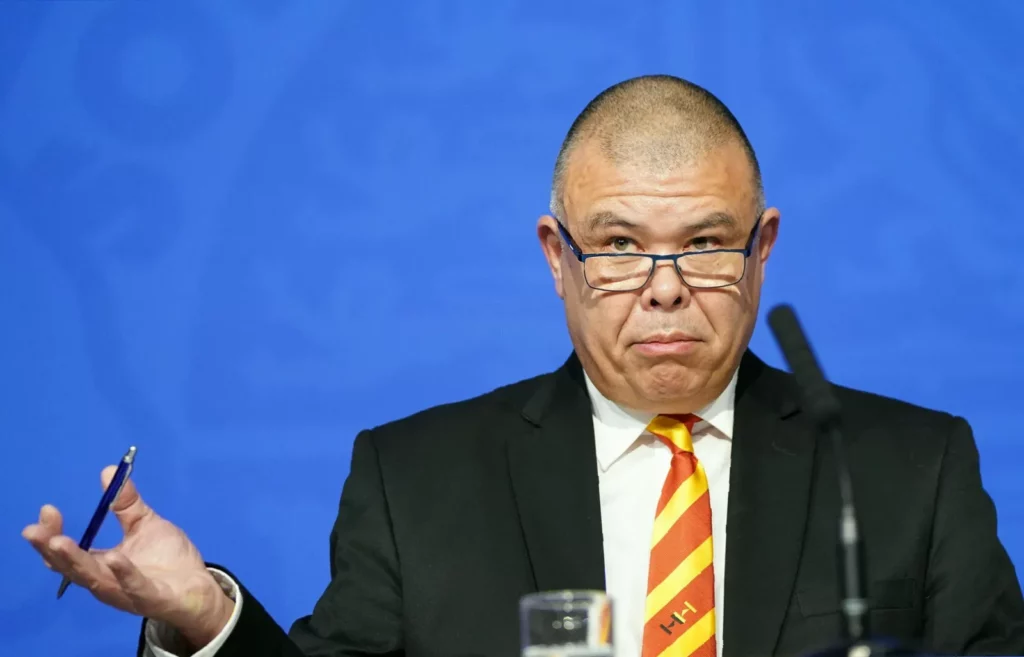
The NHS offered to deliver a single 50p pill via taxi service in what critics have called an “absurd inefficiency”, after the country’s former deputy chief medical officer found himself on the receiving end of a system he says is fractured by a lack of basic data sharing.
Professor Sir Jonathan Van-Tam, who served as Deputy Chief Medical Officer for England from 2017 to 2022 and became a familiar face during the pandemic, recounted the incident at a conference on NHS inefficiency and fraud. He had gone to collect five pills from his pharmacy only to be told they had four in stock. Staff initially said he could return later once supplies had been replenished — but that meant a 60-mile round trip. When he declined, the pharmacy offered to courier a single tablet to him by taxi, a journey estimated to cost between £60 and £70. “Of course, knowing what I know, I knew that the cost of that tablet was at worst 90p, at best 50p,” Sir Jonathan said.
Rather than accept the offer, he personally phoned his GP and asked for a separate prescription for a single pill. “I had to manually phone my GP and say, look, can you possibly prescribe me one tablet of this and it will save another bit of the NHS this heap of money that they’re going to throw at the problem in the most inefficient way?” he said. He noted that most patients would simply take the expensive solution offered, adding: “But most people don’t bother to solve the problem. They’ll just take the solution that’s offered, which would have been very costly for the system.”
Systemic failures behind the cost
Sir Jonathan’s story points to deeper, structural inefficiencies within the NHS that go well beyond a single expensive taxi ride. He attributed the problem to a chronic failure to integrate data systems across the health service. “Had pharmacy data sets been linked up, for example, in a much more intelligent, maybe AI-assisted way, I could have been directed somewhere else to pick that up rather than having to solve the problem myself,” he said.
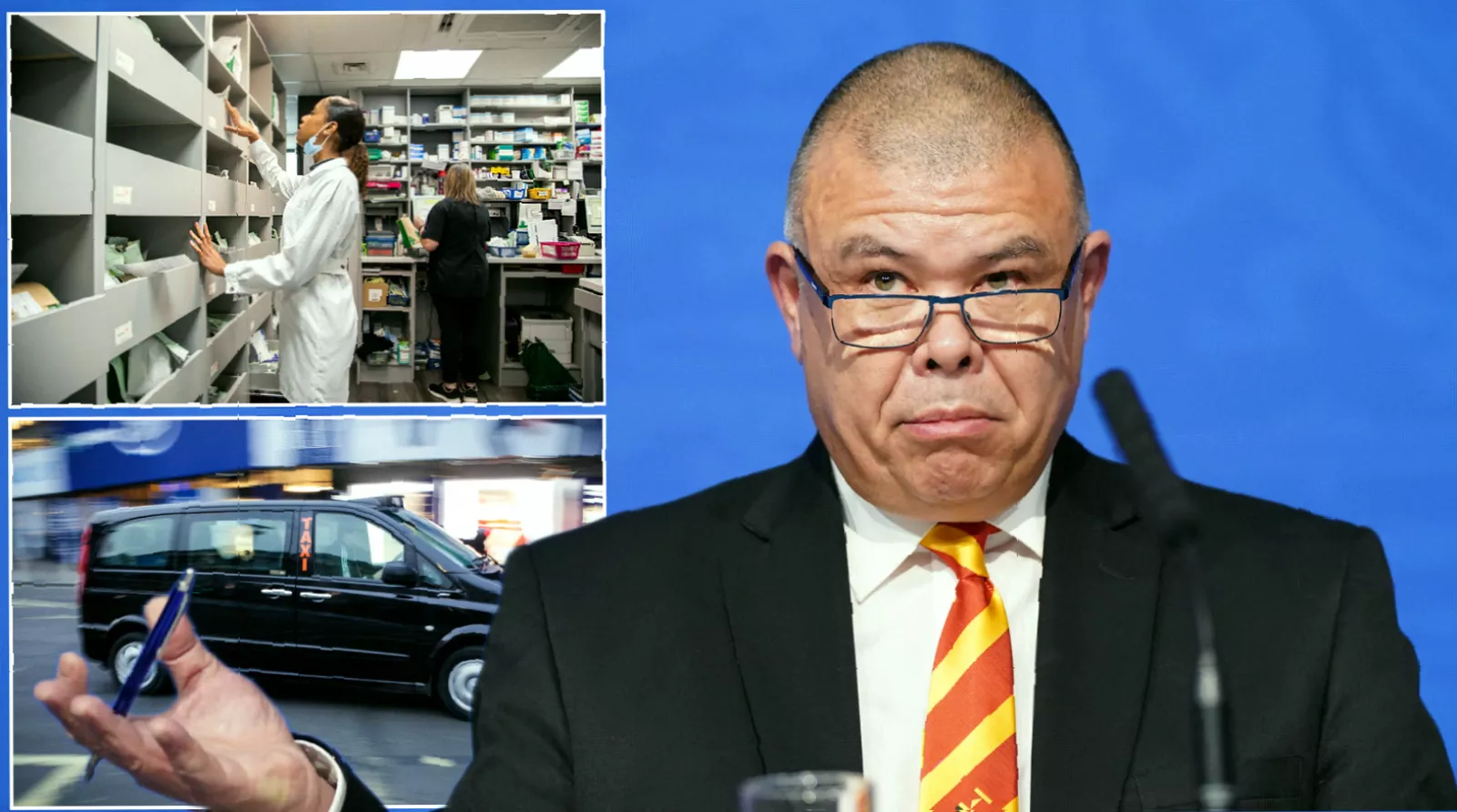
The lack of real‑time stock visibility across pharmacies is a known weakness in the medicine supply chain. Without a national system to track what is available where, patients are often sent on “wild goose chases” or, as in Sir Jonathan’s case, offered costly workarounds. Coroners have previously issued warnings about inadequate sharing of NHS patient information, with some deaths linked to clinicians being unable to access crucial medical details. The NHS has a long history of fragmented IT systems, and while efforts to upgrade technology and enable digitally‑enabled care are underway, seamless data sharing remains elusive. Public trust in centralised health data was also dealt a blow by the controversial “care.data” scheme, which raised concerns about privacy and consent.
The incident also highlights the financial pressures under which the NHS operates. In 2025‑26, NHS bodies collectively aimed for £11.0 billion in efficiencies. Against that backdrop, even a single £70 taxi ride for a 50p pill can be seen as a symptom of a system that, as Lord Daniel Hannan, Director of the Institute of Economic Affairs, put it, is run “for producers rather than consumers”. Lord Hannan said: “We are, paradoxically, getting the NHS we say we want. We insist on being the only country in the world with a 100 per cent state monopoly, and then we wonder why the system is run for producers rather than consumers. Inefficiencies like this are inevitable unless we are prepared to bring our underperforming healthcare system into line with what happens across Europe or East Asia.”
The TaxPayers’ Alliance echoed the criticism. Researcher Anne Strickland said: “Taxpayers will be tearing their hair out at the fact that the NHS was willing to spend £70 on a taxi to deliver a 50p pill. This is exactly the kind of careless waste that drives public frustration, especially when record sums of money are going into the health service while patients sit on waiting lists. NHS bosses need to stamp out these absurd inefficiencies and focus on frontline delivery.”
Waste on a colossal scale
Sir Jonathan’s experience is not an isolated case. The broader crisis of medicine wastage is draining hundreds of millions of pounds from health budgets every year. More than one billion prescription items are wasted annually in England, costing the NHS over £300 million. Around ten per cent of all primary care prescriptions are estimated to be unnecessary.
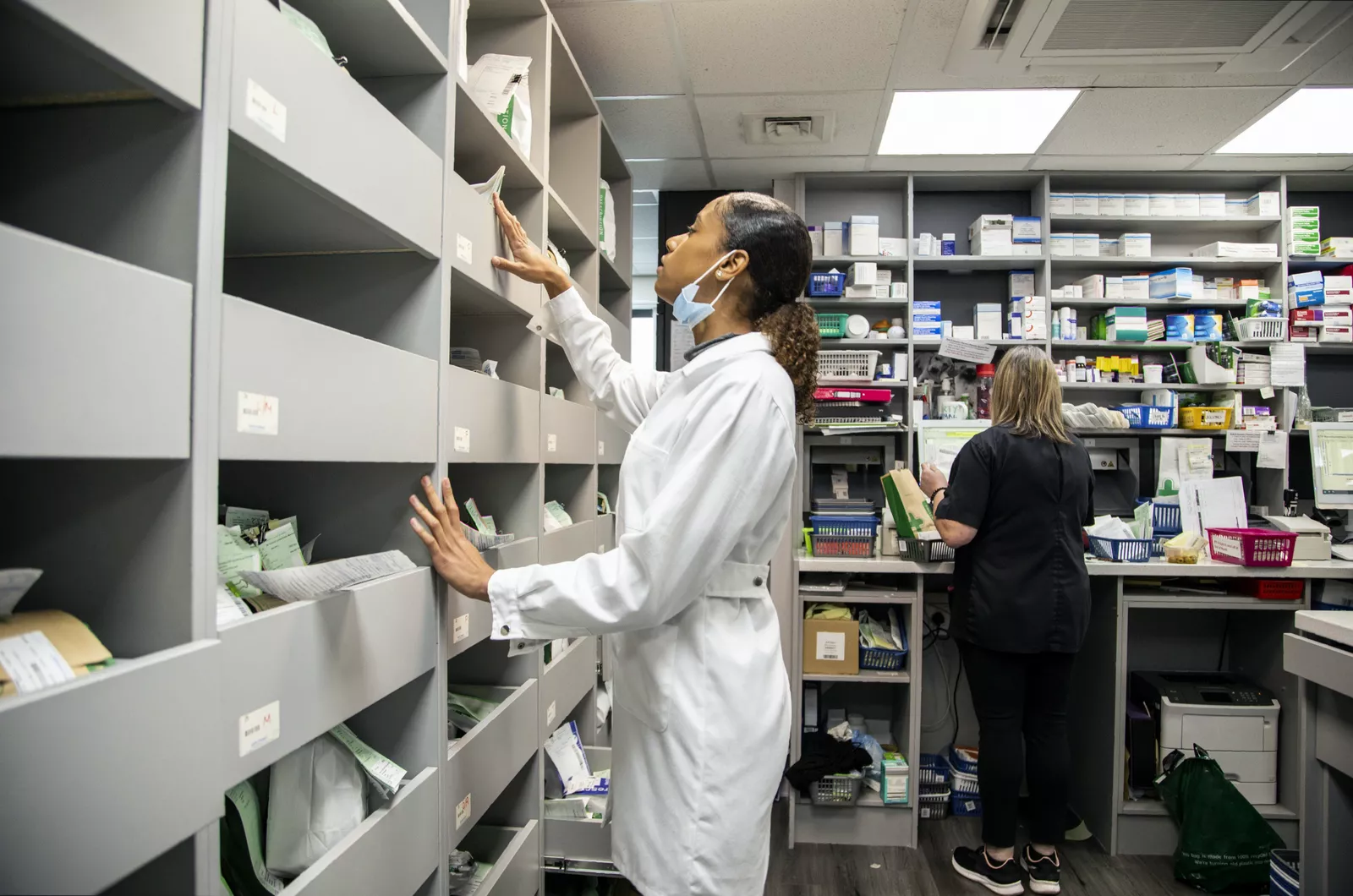
Medicine checks in Somerset illustrate the shocking scale of the problem. One patient was found to be storing 119 bottles of liquid morphine, while another household had accumulated 28,520 excess doses of medicine, worth almost £3,000. The cost of incinerating returned medicines in Somerset alone runs to £60,000 each year. A local campaign called “Order what you need” saved nearly £280,000 in a single year by reducing prescribing by more than 22,000 items. Across the country, an estimated £110 million worth of medicines are returned to community pharmacies annually, £90 million of unused prescriptions sit in patients’ homes, and £50 million worth of medicines are disposed of by care homes every year.
To put the £300 million waste figure in context, that sum would fund approximately 7,595 nurses or 3,606 GPs for a year, or keep 1,065 hospital beds open for an entire year. Shaun Green, Chief Pharmacist at NHS Somerset, said: “Medicines waste is a serious problem that affects local people, the environment and our budgets. By ordering only what you need, checking prescriptions before leaving the pharmacy, and safely returning unused medicines, we can work together to reduce unnecessary costs and ensure NHS resources are focused on patient care.”
Responding to Sir Jonathan’s taxi story, an NHS spokesman said: “While it is right staff always have a patient’s best interests at heart, we acknowledge that the costs associated with this case seem disproportionate and it is important we focus on providing solutions that make sense for both patients and taxpayers.”