


Close Menu
    Useful
    • About Us
    • Contact Us
    • Advertise With Us
    • Health Explainers
    • Our Editorial Team
    Facebook
    HealthNewsDaily.co.uk
    • Home
    • NHS

      NHS hit with £300,000 fine over water contamination that killed chemo patient

      16 June 2026

      Woman, 60, quits job that moved online to start anew in nursing

      15 June 2026

      Cancer patients and unwell children in hospital delighted by dance sessions

      14 June 2026

      NHS warned its weekday-only approach is causing deaths and wasting billions

      13 June 2026

      Resident doctors announce four-day strike, dealing triple blow to NHS

      13 June 2026
    • Health Policy

      Sierra Leone first lady will not oppose FGM without evidence of harm

      17 June 2026

      Readers tell of days of suffering as assisted dying bill returns

      16 June 2026

      Ministers accused of inaction on protection of women and girls

      16 June 2026

      Taxi costing £70 almost used by NHS to deliver 50p pill to England’s former deputy chief medical officer

      15 June 2026

      Abolition of legal protections for disabled people creates dangers

      14 June 2026
    • Mental Health

      Kathleen Chalfant excels in understated, sensuous memory loss play Familiar Touch

      15 June 2026

      William consoles mental health charity user overcome by emotion during tribute

      11 June 2026

      Mother spent £40,000 and four years trying for a baby – despite already having a child

      11 June 2026

      Drop in US suicide toll as one state defies national pattern

      10 June 2026

      Rural California county struggles to cut suicides as gun ownership widespread

      9 June 2026
    • Wellness & Lifestyle

      Letter writers take issue with soap dispensers

      16 June 2026

      Dietitian advises morning drink to lower blood pressure in hours

      16 June 2026

      Experts outline sunscreen reapplication frequency as summer returns

      15 June 2026

      Rising demand for high-protein foods sparks shortage fears

      14 June 2026

      Heightened pollen season expected this year with advice on symptom avoidance

      14 June 2026
    • Disease & Prevention

      Men’s skin cancer risk three times higher if sunscreen misses one body part, doctor warns

      16 June 2026

      Mobility equipment firm’s five-star assistance credited with saving holiday

      16 June 2026

      Mystery tooth condition puts millions of children at risk, experts warn

      16 June 2026

      Incurable cancer found in 25-year-old woman after she mistook symptoms for a virus

      15 June 2026

      UKHSA warns pandemic risk now over 25% with respiratory infections judged top threat

      15 June 2026
    • Treatment & Research

      Behaviours tied to violent crime could be curbed by weight loss jabs

      17 June 2026

      Doctors do not recommend paracetamol for period pain, yet most women use it

      16 June 2026

      Mother baffled by death of one-year-old who was in good health

      16 June 2026

      Title-winning swimmer with rare brain cancer appeals for UK to boost support for fellow patients

      16 June 2026

      Toxic endocrine-disrupting compounds detected in US breast milk samples

      14 June 2026
    HealthNewsDaily.co.uk
    • NHS
    • Health Policy
    • Mental Health
    • Wellness & Lifestyle
    • Disease & Prevention
    • Treatment & Research
    Home » Treatment & Research » Doctors do not recommend paracetamol for period pain, yet most women use it
    Treatment & Research

    Doctors do not recommend paracetamol for period pain, yet most women use it

    Sophie HargreavesBy Sophie Hargreaves16 June 2026
    Shopping receipts being analysed for painkiller and menstrual product purchases

    Millions of people reach for paracetamol when period pain strikes, but a new study has found that ibuprofen is actually the more effective choice — and the reason lies in how the two drugs work inside the body.

    Researchers from the University of Bristol and the University of Nottingham analysed more than 211 million supermarket receipts from 2006 to 2015, published in the journal PLOS Digital Health. They found that one in four shoppers overall — 26.7% — bought pain relief alongside menstrual products such as pads and tampons. Among those specifically buying period products, 50% also included some form of painkiller. Of those, two-thirds were paracetamol and only one-third were ibuprofen, despite the latter being the more effective treatment for menstrual cramps.

    The study also uncovered a stark socio-economic divide. People living in low-income areas were 32% less likely to purchase pain relief alongside period products than those in higher-income areas, a gap attributed to affordability. “Using shopping data, we can see just how widespread the need for pain relief really is,” said Dr Anya Skatova of the University of Bristol. “This kind of evidence helps make menstrual pain visible at a population level and provides a strong foundation for systemic change in how it is recognised, treated, and prioritised in public health.”
    Two packaging boxes side by side showing paracetamol and ibuprofen tablets

    Why ibuprofen is more effective for period pain

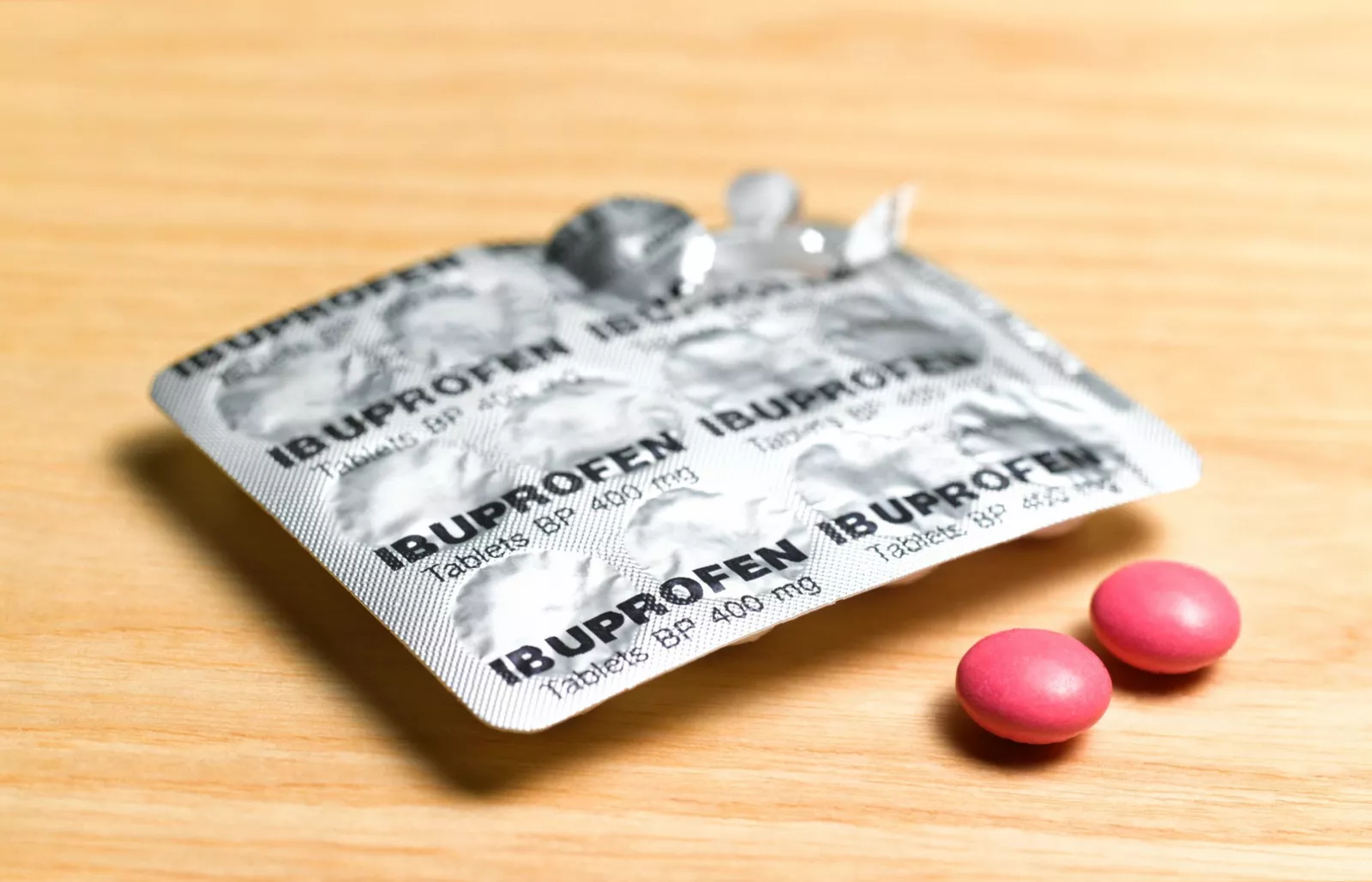
    Ibuprofen belongs to a class of drugs known as non-steroidal anti-inflammatory drugs (NSAIDs). It works by directly targeting the underlying cause of period pain. During menstruation, the body releases chemicals called prostaglandins, which cause the muscles of the womb to contract, leading to pain and cramps. Dr Giuseppe Aragona, medical adviser for Prescription Doctor, explained: “Ibuprofen … works by reducing the production of prostaglandins. By addressing the process that is driving the pain in the first place, ibuprofen can often provide better relief than paracetamol alone.”

    Paracetamol, in contrast, blocks pain signals from reaching the brain but does not have the same anti-inflammatory effect and does not reduce prostaglandin production. While it can take the edge off mild symptoms, it is often less effective for moderate to severe menstrual cramps. Studies cited in the research briefing show that NSAIDs are significantly more effective: if 18% of women taking a placebo achieved moderate or excellent pain relief, between 45% and 53% of those taking NSAIDs would do so. Ibuprofen can also reduce menstrual flow by 20% to 60%.

    Despite these advantages, Dr Aragona noted that paracetamol remains a useful option for people who cannot take ibuprofen — for example, those with NSAID-triggered asthma, stomach ulcers, or kidney problems. “Paracetamol works differently, helping to reduce the perception of pain, but it does not have the same anti-inflammatory effect,” he said.
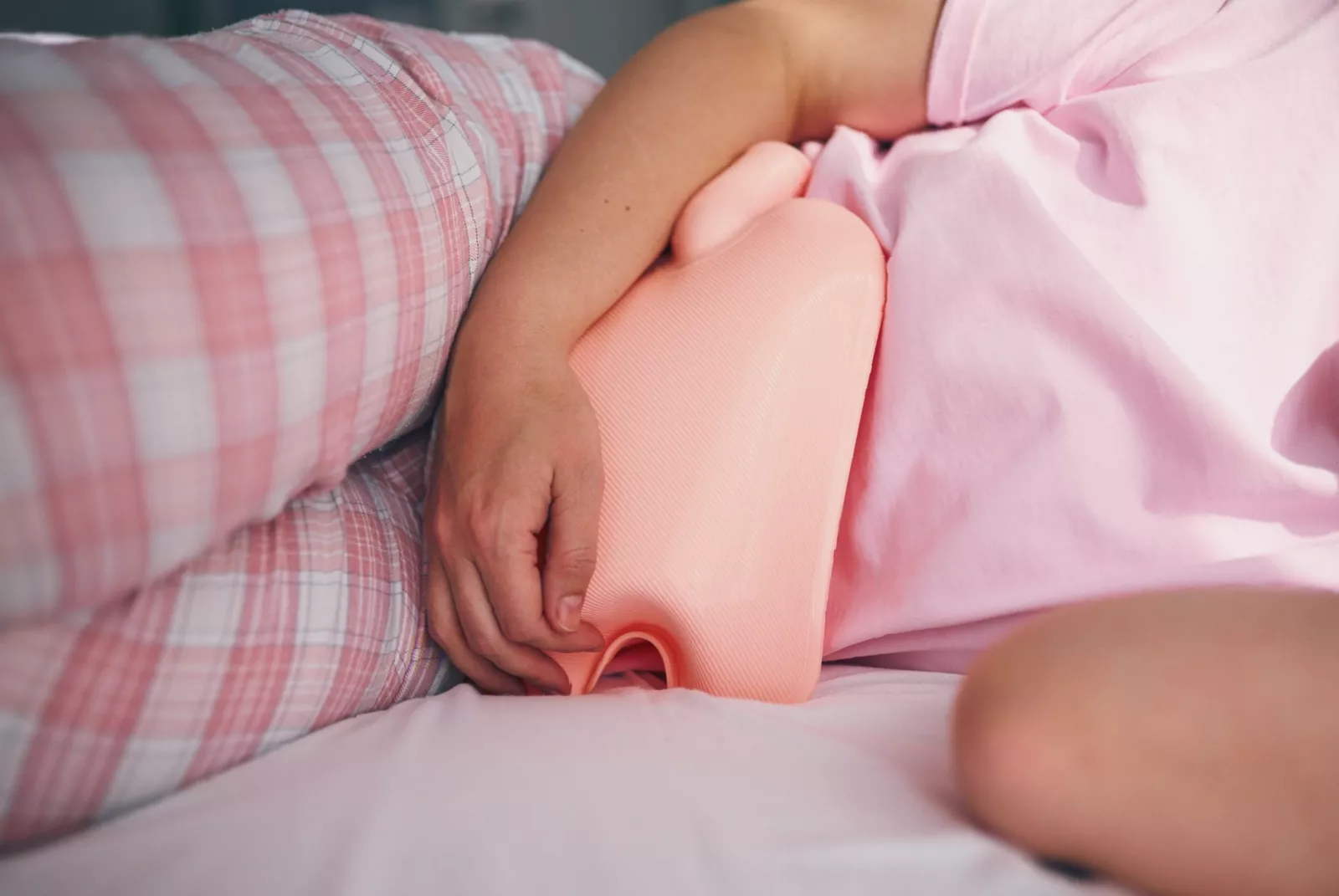
    Woman holding a hot water bottle on her lower abdomen during period cramps

    For those prone to cramping, taking ibuprofen preventatively — before pain sets in — may help. “The aim is to reduce prostaglandin production before levels build up,” Dr Aragona said, though he cautioned that people should follow dosing instructions and seek advice from a pharmacist or GP if unsure.

    Other options and systemic challenges

    Beyond ibuprofen and paracetamol, other NSAIDs such as naproxen and mefenamic acid are also effective for period pain because they reduce prostaglandins and inflammation. Some research suggests combining an NSAID with paracetamol can be more effective than either drug alone, addressing both the source of pain and how the brain processes it. For those who prefer non-medication approaches, heat pads, hot water bottles, gentle exercise, and massage can offer relief.

    Hormonal contraception is another option. The combined oral contraceptive pill, hormonal IUDs, implants, and injections can suppress ovulation and reduce prostaglandin production, leading to lighter and less painful periods. Hormonal IUDs are particularly effective, often resulting in significantly reduced pain and many users ceasing to have periods entirely after a year.
    Researcher reviewing data on a computer screen at a university office

    Yet the scale of the problem goes beyond which pill to take. A 2025 survey by Wellbeing of Women, titled “Just a Period,” of more than 3,000 people found that 50% of women had seen a healthcare professional about heavy bleeding or period pain, and another 50% had their symptoms dismissed by someone in their lives — whether a male healthcare professional (17%) or a partner (26%). Fifty-one per cent said having a period negatively impacts their life. Endometriosis UK reports that the average wait for an endometriosis diagnosis in the UK has risen to nine years and four months. Of those surveyed by the charity, 39% had to visit their GP at least ten times before being referred for diagnosis, 55% went to A&E with symptoms, and 46% were sent home without any treatment.

    Period poverty exacerbates these inequalities. The shopping data study showed that those in low-income areas are less likely to afford pain relief, while stigma and dismissal of symptoms prevent many from seeking help. Dr Aragona advised that anyone experiencing severe period pain that is worsening, interfering with daily life, or accompanied by heavy bleeding, pain during sex, or fertility concerns should speak to their GP.

    A&E Asthma Digital Health Exercise Public Health
    Share. Facebook Twitter LinkedIn WhatsApp Telegram
    Sophie Hargreaves
    Sophie Hargreaves

    Health Correspondent
    Sophie Hargreaves covers medical research, new treatments, disease outbreaks and prevention for Health News Daily. She holds a Master's degree in Health Sciences from the University of Leeds and has spent several years translating complex medical science into clear, accessible reporting for a general audience. Sophie focuses on the latest clinical trials, NICE and MHRA approvals, vaccination programmes and emerging health threats, always with an eye on what these developments mean for people in the UK.
    · MSc Health Sciences (University of Leeds), science communication volunteer, medical research literacy
    · Clinical trials and drug approvals (NICE, MHRA), cancer screening programmes, vaccination and outbreak response, women's health (endometriosis, PCOS, menopause), weight management treatments, AI in diagnostics

    Related Posts

    Treatment & Research

    Behaviours tied to violent crime could be curbed by weight loss jabs

    17 June 2026
    Treatment & Research

    Mother baffled by death of one-year-old who was in good health

    16 June 2026
    Treatment & Research

    Title-winning swimmer with rare brain cancer appeals for UK to boost support for fellow patients

    16 June 2026
    Treatment & Research

    Toxic endocrine-disrupting compounds detected in US breast milk samples

    14 June 2026
    Join Our Community & Win

    Each month we select one lucky follower to receive a prize from our partners. Follow us on our social channels for your chance to win.

    • Facebook
    Latest
    Treatment & Research

    Behaviours tied to violent crime could be curbed by weight loss jabs

    17 June 2026
    Health Policy

    Sierra Leone first lady will not oppose FGM without evidence of harm

    17 June 2026
    NHS

    NHS hit with £300,000 fine over water contamination that killed chemo patient

    16 June 2026
    Health Policy

    Readers tell of days of suffering as assisted dying bill returns

    16 June 2026
    Wellness & Lifestyle

    Letter writers take issue with soap dispensers

    16 June 2026
    Disease & Prevention

    Men’s skin cancer risk three times higher if sunscreen misses one body part, doctor warns

    16 June 2026
    News Categories
    • NHS
    • Health Policy
    • Mental Health
    • Wellness & Lifestyle
    • Disease & Prevention
    • Treatment & Research
    Help
    • About Us
    • Contact Us
    • Advertise With Us
    • Health Explainers
    • Our Editorial Team
    About Us
    About Us

    Health News Daily provides trusted UK health news, covering NHS updates, medical research, public health and wellbeing with clear and reliable reporting.

    Facebook
    • Cookie Policy
    • Privacy Policy
    • Complaints Policy
    • Corrections Policy
    • AI Disclosure Policy
    • Editorial Policy & Ethics
    • Accessibility Statement
    • Medical Disclaimer
    • Terms & Conditions
    • Sponsored Content Disclosure
    • Copyright Notice
    © 2026 Healthnewsdaily.co.uk. All rights reserved.

    Type above and press Enter to search. Press Esc to cancel.