

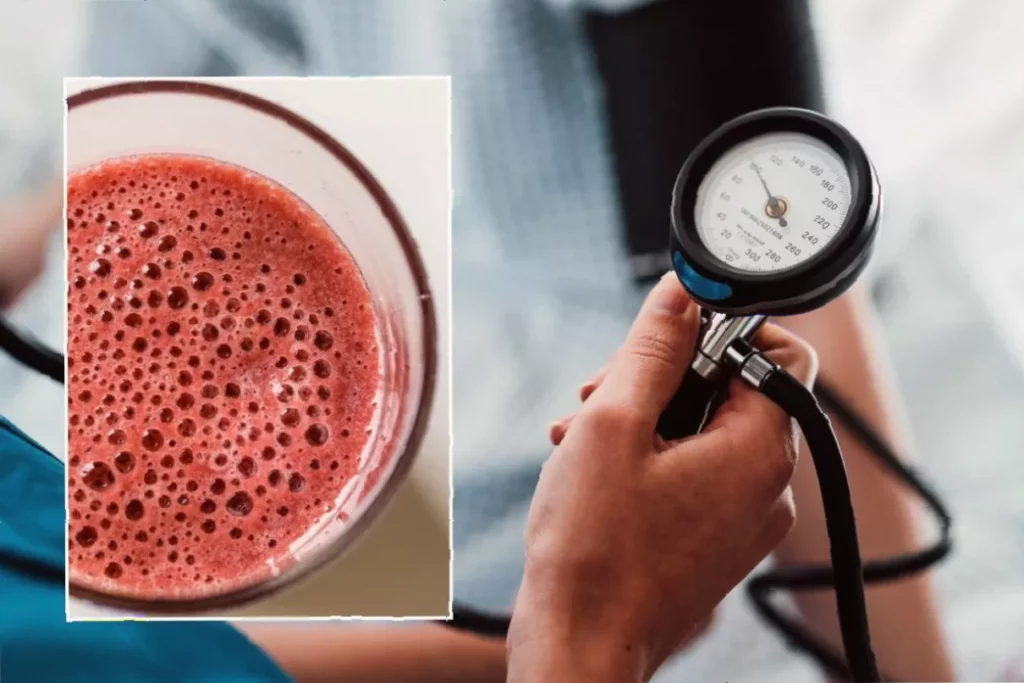
Beetroot juice may be a simple morning remedy for high blood pressure, according to dietitians who point to the vegetable’s powerful effect on the body’s circulatory system.
Left unmonitored, high blood pressure can silently strain the arteries and heart until the damage triggers a stroke or heart attack. But a growing body of evidence suggests that a daily glass of beetroot juice could offer a straightforward line of defence.
The Science Behind the Juice
“Beet juice can trigger nitric oxide production, which acts as your body’s natural blood pressure regulator,” Kiran Campbell, a registered dietitian nutritionist with over 15 years of experience specialising in cardiovascular disease prevention, told EatingWell.
The process begins with nitrates, compounds found in abundance in beetroot. Fresh beetroot typically contains between 250 and 400 mg of nitrate per 100g, though levels can vary depending on growing conditions, season, and light intensity.
When consumed, specific bacteria in the mouth convert these dietary nitrates into nitrites. This step highlights the surprising importance of oral hygiene in managing blood pressure. The nitrites are then further transformed in the body into nitric oxide — a crucial molecule that signals the smooth muscles lining blood vessel walls to relax.
This relaxation, known as vasodilation, widens the arteries and reduces vascular resistance. The result is that blood flows more freely, taking direct pressure off the heart.
The effects are surprisingly rapid. Research indicates beet juice can begin lowering blood pressure within just hours of consumption, with its peak effect occurring around three hours after drinking it. A meta-analysis found that drinking beet juice reduced systolic blood pressure — the top number in a reading — by an average of 5.31 mm Hg compared to a placebo. A drop of just 5 mm Hg in systolic pressure can reduce the risk of a cardiovascular event by 10 per cent.
The optimal daily dose appears to be around 250 millilitres, though some studies have successfully used concentrated shots of just 7 cl. Experts note that effectiveness can vary by age. One study found that older adults who drank concentrated beetroot juice twice daily for two weeks experienced noticeable blood pressure reductions, whereas younger adults did not, even with similar changes to their oral microbiome.
Beyond Beetroot Juice
While beetroot juice is a powerful tool, dietitians stress it works best as part of a broader lifestyle strategy. Michelle Routhenstein, a preventive cardiology dietitian and Certified Diabetes Educator with over a decade of experience, told GB News: “The most effective lifestyle changes to lower blood pressure naturally include adopting a balanced diet rich in magnesium, potassium, and calcium, engaging in regular physical activity, managing stress, ensuring adequate sleep, and addressing underlying factors like insulin resistance and weight management.”
Potassium plays a particularly vital role. The American Heart Association recommends consuming between 3,500 mg and 5,000 mg of potassium daily from dietary sources such as kale, spinach, bananas, avocados, potatoes, salmon, and yoghurt. The mineral helps the body eliminate sodium through urine and eases tension in blood vessel walls.
Physical activity is another potent stimulator of nitric oxide production and can improve endothelial function. Studies show that regular aerobic exercise can lower high blood pressure by 5 to 8 mm Hg, while cardiorespiratory exercise can produce reductions of up to 7 mm Hg systolic. Stress management techniques such as yoga, tai chi, and meditation, alongside adequate sleep, are also considered crucial for blood pressure control.
Even the timing of meals matters. Routhenstein explained that “smaller, more frequent meals and avoiding large meals before bed help to stabilise blood sugar and improve sleep,” both of which contribute to better blood pressure control. Research suggests that eating the majority of calories before 6pm may be associated with better cardiovascular health, while skipping breakfast has been linked to a higher risk of hypertension.
Individual Variability and Precautions
Despite the promising data, the speed and extent of blood pressure reduction can vary significantly from person to person. “How quickly you see results depends on how severe your blood pressure is and what’s actually causing it to be elevated in the first place,” the dietitians explain. In her private practice, Routhenstein said she has helped many patients reduce their blood pressure by 20 to 30 points within just two weeks through “personalised dietary adjustments.”
However, beetroot juice is not suitable for everyone. Being rich in oxalates, it may contribute to kidney stone formation in susceptible individuals. It can also cause digestive discomfort, temporary discolouration of urine and stool known as beeturia, and potential blood sugar spikes in diabetics due to the removal of fibre during juicing. Excessive consumption could lead to dizziness or fainting in those with naturally low blood pressure.
Beetroot juice may interact with certain blood pressure-lowering medications, potentially causing a severe drop in blood pressure. It is not recommended during pregnancy and may be harmful to the liver or cause calcium deficiency in some individuals. Experts advise that anyone with pre-existing health conditions, those taking medication, or pregnant women should consult a healthcare professional before incorporating beetroot juice into their daily routine.