

Close Menu
    Useful
    • About Us
    • Contact Us
    • Advertise With Us
    • Health Explainers
    • Our Editorial Team
    Facebook
    HealthNewsDaily.co.uk
    • Home
    • NHS

      NHS hit with £300,000 fine over water contamination that killed chemo patient

      16 June 2026

      Woman, 60, quits job that moved online to start anew in nursing

      15 June 2026

      Cancer patients and unwell children in hospital delighted by dance sessions

      14 June 2026

      NHS warned its weekday-only approach is causing deaths and wasting billions

      13 June 2026

      Resident doctors announce four-day strike, dealing triple blow to NHS

      13 June 2026
    • Health Policy

      Sierra Leone first lady will not oppose FGM without evidence of harm

      17 June 2026

      Readers tell of days of suffering as assisted dying bill returns

      16 June 2026

      Ministers accused of inaction on protection of women and girls

      16 June 2026

      Taxi costing £70 almost used by NHS to deliver 50p pill to England’s former deputy chief medical officer

      15 June 2026

      Abolition of legal protections for disabled people creates dangers

      14 June 2026
    • Mental Health

      Bleech 9:3 discuss addiction, sobriety, and debut album

      17 June 2026

      Kathleen Chalfant excels in understated, sensuous memory loss play Familiar Touch

      15 June 2026

      William consoles mental health charity user overcome by emotion during tribute

      11 June 2026

      Mother spent £40,000 and four years trying for a baby – despite already having a child

      11 June 2026

      Drop in US suicide toll as one state defies national pattern

      10 June 2026
    • Wellness & Lifestyle

      Letter writers take issue with soap dispensers

      16 June 2026

      Dietitian advises morning drink to lower blood pressure in hours

      16 June 2026

      Experts outline sunscreen reapplication frequency as summer returns

      15 June 2026

      Rising demand for high-protein foods sparks shortage fears

      14 June 2026

      Heightened pollen season expected this year with advice on symptom avoidance

      14 June 2026
    • Disease & Prevention

      London medical experts dispatched to Africa to strengthen Ebola response

      17 June 2026

      Doctors now regard condition affecting millions as akin to stroke and Parkinson’s

      17 June 2026

      Prostate cancer indicators and management methods outlined

      17 June 2026

      Unpleasant bug with no pain expected to spread in UK groins this summer

      17 June 2026

      Men’s skin cancer risk three times higher if sunscreen misses one body part, doctor warns

      16 June 2026
    • Treatment & Research

      Six food substitutions can double weight loss, doctor says

      17 June 2026

      Threefold increase in single women having IVF over the past decade

      17 June 2026

      Gleb Tsipursky says AI diagnosis may have saved his life after blood clot

      17 June 2026

      Plastic sheet could avert thousands of maternal haemorrhage deaths, trial suggests

      17 June 2026

      Behaviours tied to violent crime could be curbed by weight loss jabs

      17 June 2026
    HealthNewsDaily.co.uk
    • NHS
    • Health Policy
    • Mental Health
    • Wellness & Lifestyle
    • Disease & Prevention
    • Treatment & Research
    Home » Treatment & Research » Six food substitutions can double weight loss, doctor says
    Treatment & Research

    Six food substitutions can double weight loss, doctor says

    Sophie HargreavesBy Sophie Hargreaves17 June 2026
    A kitchen counter with fresh vegetables, wholemeal bread and plain oats arranged on a wooden board

    Ultra-processed foods now form over half of the average diet in the UK, and for adolescents the figure climbs to roughly two-thirds of daily calories. These industrially manufactured products — packed with sugar, refined carbohydrates and flavour enhancers — are not merely empty calories that fail to satisfy hunger. Mounting evidence suggests they may be quietly rewiring the brain to demand more food even when the body has had enough.

    How ultra-processed foods trick the brain

    Dr Farhan Abdullah, a board-certified internal medicine physician and medical director of Magnolia Functional Wellness, explains that ultra-processed foods are primarily engineered for convenience and palatability. “Ultra-processed foods often lack nutrients but are high in sugar and calories, which can lead to over-eating,” he says. Their soft texture and high calorie density, however, are what make them particularly insidious, according to Dr Samuel Dicken, lead author of a landmark study from University College London and UCL Hospitals NHS Trust published in Nature Medicine.

    “Their softer texture and higher calorie density make overconsumption more likely,” Dr Dicken notes. When food requires little chewing and breaks down quickly in the mouth, the brain receives weaker signals of fullness, allowing a person to eat far more before the body registers satiety. This mechanism appears to operate independently of nutritional content. The UCL trial found that participants eating minimally processed foods reported a two-fold greater improvement in overall craving control compared with those on an ultra-processed diet, and a four-fold improvement in controlling cravings for savoury items. The finding underscores how processing itself can alter the brain’s relationship with food.

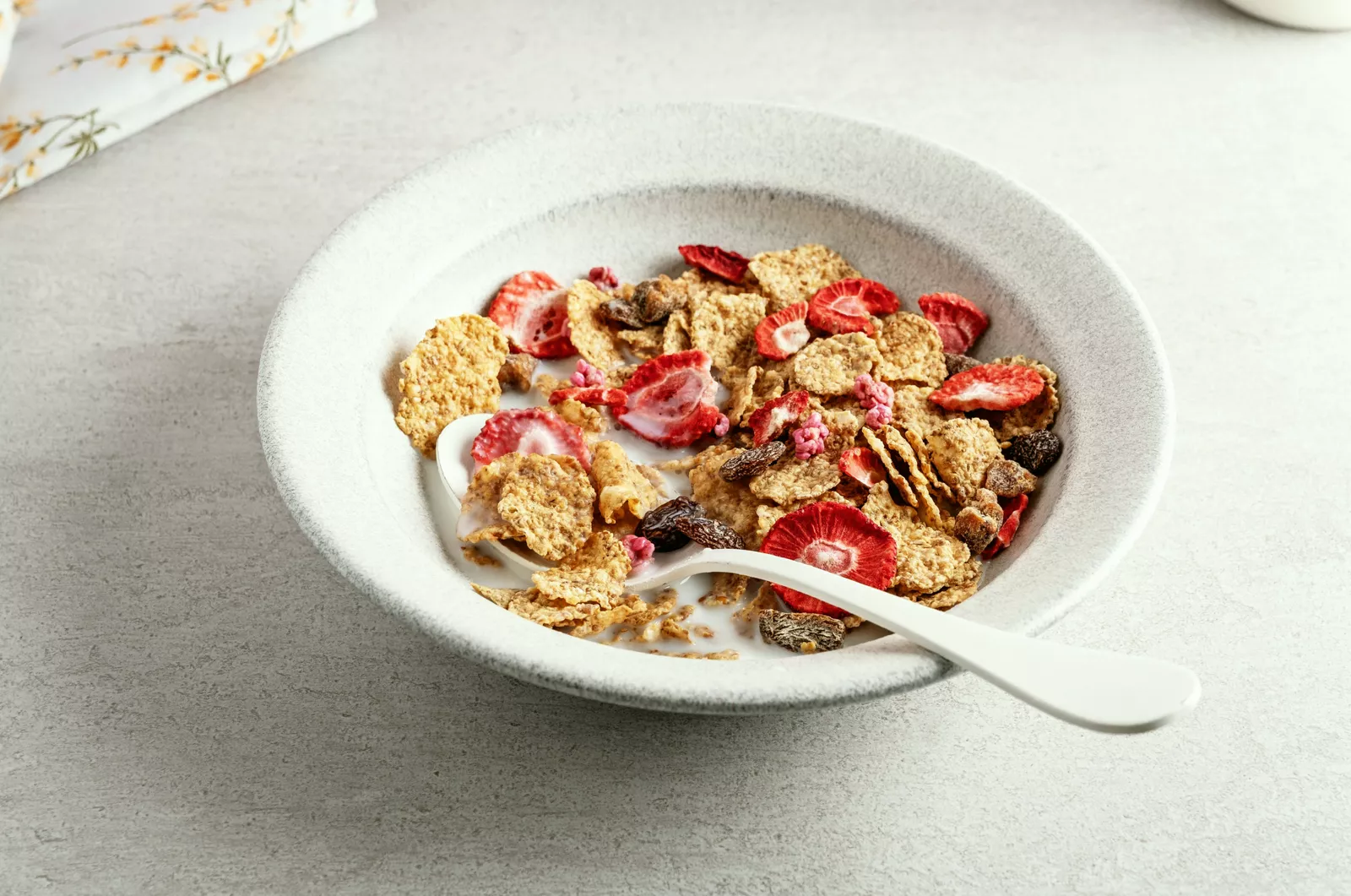
    Dr Abdullah recommends swapping out six common categories of ultra-processed items: speciality coffee drinks, packaged snack foods, chips, candy, pastries and breakfast cereals. Healthier alternatives include overnight oats or wholemeal toast with avocado for breakfast, lightly salted popcorn or vegetable crisps for snacks, and filo pastry for pies. The principle, he argues, is to choose foods in a state as close to their natural form as possible.

    The UCL study: processing matters beyond nutrients

    The UCL and UCLH trial enrolled 55 adults with an average body mass index of 32, placing them in the obese category. Each participant followed two eight-week diets in a crossover design, with a four-week washout period in between. Crucially, both diets were nutritionally matched according to the UK’s Eatwell Guide — they contained identical levels of fat, saturated fat, protein, carbohydrate, salt and fibre, and provided recommended intakes of fruit and vegetables. Participants were told to eat as much or as little as they wanted, with no calorie restrictions.
    A supermarket aisle displaying colourful packaged snacks, breakfast cereals and soft drinks

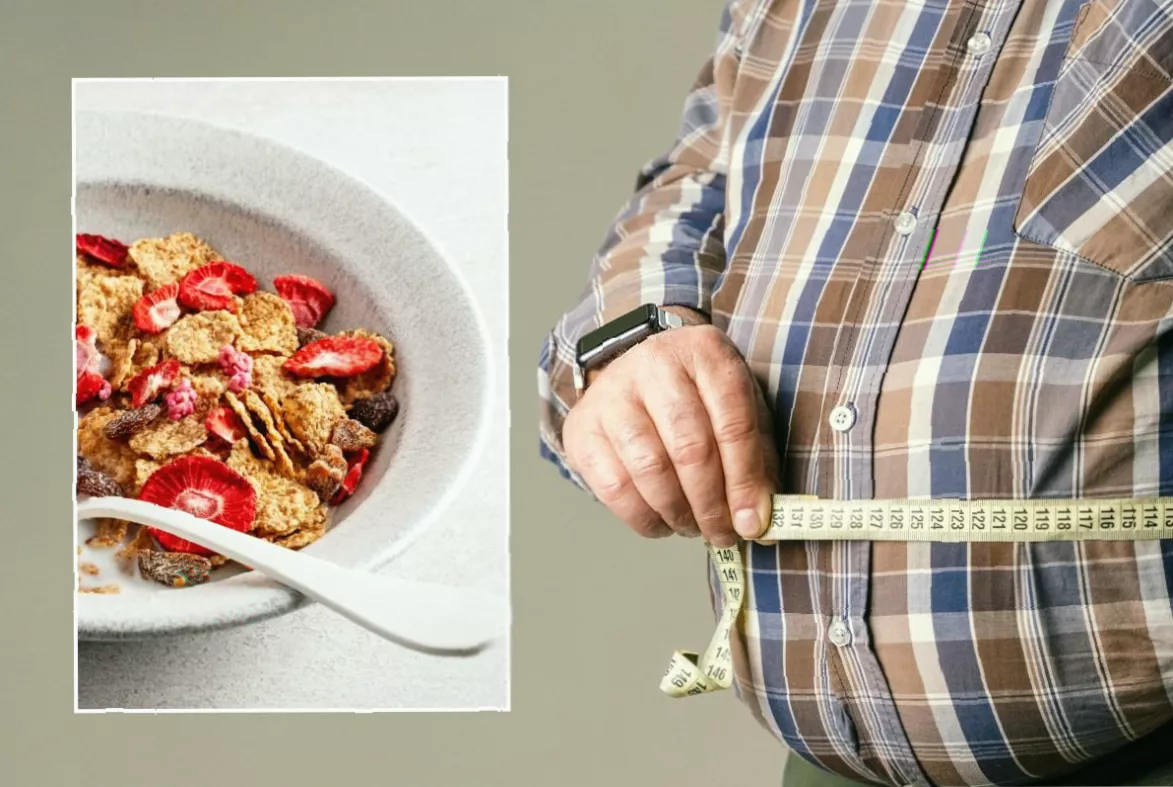
    The results revealed a striking difference. On the minimally processed diet, participants lost 2.06 per cent of their body weight, compared with 1.05 per cent on the ultra-processed diet — effectively twice as much. This translated to an estimated daily calorie deficit of 290 kilocalories on the minimally processed regime versus 120 kilocalories on the ultra-processed one. The researchers calculated that if sustained over a year, the minimally processed diet could produce a 13 per cent weight reduction for men and 9 per cent for women, against 4–5 per cent for the ultra-processed diet. The greater weight loss came from reductions in fat mass and total body water, with no loss of muscle or fat-free mass, indicating a healthier body composition.

    “This study highlights the importance of ultra-processing in driving health outcomes in addition to the role of nutrients like fat, salt and sugar,” said Professor Chris van Tulleken, co-author of the study and author of Ultra-Processed People. Because both diets were nutritionally identical, the degree of processing itself emerged as a significant factor in weight management. Dr Dicken added that while not all ultra-processed foods are “inherently unhealthy” based on their nutritional profile, their texture and palatability make overeating much more likely.

    Independent experts have urged caution, noting methodological limitations and questioning whether the eight-week difference is clinically meaningful. They also point out that the ultra-processed foods used in the trial were higher in fibre than typical consumer diets, which may limit the generalisability of the findings. Nonetheless, the study establishes the first clear experimental link between processing levels and weight gain under real-world conditions.

    Diets high in ultra-processed foods have been linked to a range of adverse health outcomes beyond obesity, including type 2 diabetes, cardiovascular disease, high blood pressure, depression, chronic kidney disease, colorectal cancer and increased risk of early death. These foods account for nearly 65 per cent of all free sugars consumed in the UK general population, and almost 80 per cent in children and adolescents.
    A dining table set with a bowl of overnight oats topped with berries and sliced avocado toast

    Policy recommendations: shifting the focus from individual choice

    The research team behind the UCL study has called for significant policy interventions. Professor van Tulleken argued that the global food system currently drives diet-related poor health and obesity “particularly because of the wide availability of cheap, unhealthy food”. He said: “It underlines the need to shift the policy focus away from individual responsibility and onto the environmental drivers of obesity, such as the influence of multinational food companies in shaping unhealthy food environments.”

    Current UK government policies primarily target High Fat, Sugar and Salt (HFSS) foods, which overlap with many ultra-processed products. However, research suggests this approach misses a substantial portion of ultra-processed foods, particularly low-calorie soft drinks and white bread. Experts are calling for regulations that consider the degree of processing directly, rather than relying solely on nutrient profiling. The UK government reportedly dropped guidance urging retailers to offer discounts on minimally processed foods after lobbying from major ultra-processed food firms, underscoring the industry’s influence on policy.

    Dr Dicken noted that the study aimed to fill gaps in knowledge about the role of food processing in relation to existing dietary guidance. The findings, he said, make a strong case for environmental interventions that reduce the availability and appeal of ultra-processed options, rather than placing the burden entirely on individuals to navigate a food environment engineered to encourage overconsumption.

    Blood Pressure Cancer Depression Diabetes Hospitals Obesity Weight Loss
    Share. Facebook Twitter LinkedIn WhatsApp Telegram
    Sophie Hargreaves
    Sophie Hargreaves

    Health Correspondent
    Sophie Hargreaves covers medical research, new treatments, disease outbreaks and prevention for Health News Daily. She holds a Master's degree in Health Sciences from the University of Leeds and has spent several years translating complex medical science into clear, accessible reporting for a general audience. Sophie focuses on the latest clinical trials, NICE and MHRA approvals, vaccination programmes and emerging health threats, always with an eye on what these developments mean for people in the UK.
    · MSc Health Sciences (University of Leeds), science communication volunteer, medical research literacy
    · Clinical trials and drug approvals (NICE, MHRA), cancer screening programmes, vaccination and outbreak response, women's health (endometriosis, PCOS, menopause), weight management treatments, AI in diagnostics

    Related Posts

    Treatment & Research

    Threefold increase in single women having IVF over the past decade

    17 June 2026
    Treatment & Research

    Gleb Tsipursky says AI diagnosis may have saved his life after blood clot

    17 June 2026
    Treatment & Research

    Plastic sheet could avert thousands of maternal haemorrhage deaths, trial suggests

    17 June 2026
    Treatment & Research

    Behaviours tied to violent crime could be curbed by weight loss jabs

    17 June 2026
    Join Our Community & Win

    Each month we select one lucky follower to receive a prize from our partners. Follow us on our social channels for your chance to win.

    • Facebook
    Latest
    Treatment & Research

    Threefold increase in single women having IVF over the past decade

    17 June 2026
    Disease & Prevention

    London medical experts dispatched to Africa to strengthen Ebola response

    17 June 2026
    Treatment & Research

    Gleb Tsipursky says AI diagnosis may have saved his life after blood clot

    17 June 2026
    Disease & Prevention

    Doctors now regard condition affecting millions as akin to stroke and Parkinson’s

    17 June 2026
    Treatment & Research

    Plastic sheet could avert thousands of maternal haemorrhage deaths, trial suggests

    17 June 2026
    Mental Health

    Bleech 9:3 discuss addiction, sobriety, and debut album

    17 June 2026
    News Categories
    • NHS
    • Health Policy
    • Mental Health
    • Wellness & Lifestyle
    • Disease & Prevention
    • Treatment & Research
    Help
    • About Us
    • Contact Us
    • Advertise With Us
    • Health Explainers
    • Our Editorial Team
    About Us
    About Us

    Health News Daily provides trusted UK health news, covering NHS updates, medical research, public health and wellbeing with clear and reliable reporting.

    Facebook
    • Cookie Policy
    • Privacy Policy
    • Complaints Policy
    • Corrections Policy
    • AI Disclosure Policy
    • Editorial Policy & Ethics
    • Accessibility Statement
    • Medical Disclaimer
    • Terms & Conditions
    • Sponsored Content Disclosure
    • Copyright Notice
    © 2026 Healthnewsdaily.co.uk. All rights reserved.

    Type above and press Enter to search. Press Esc to cancel.