

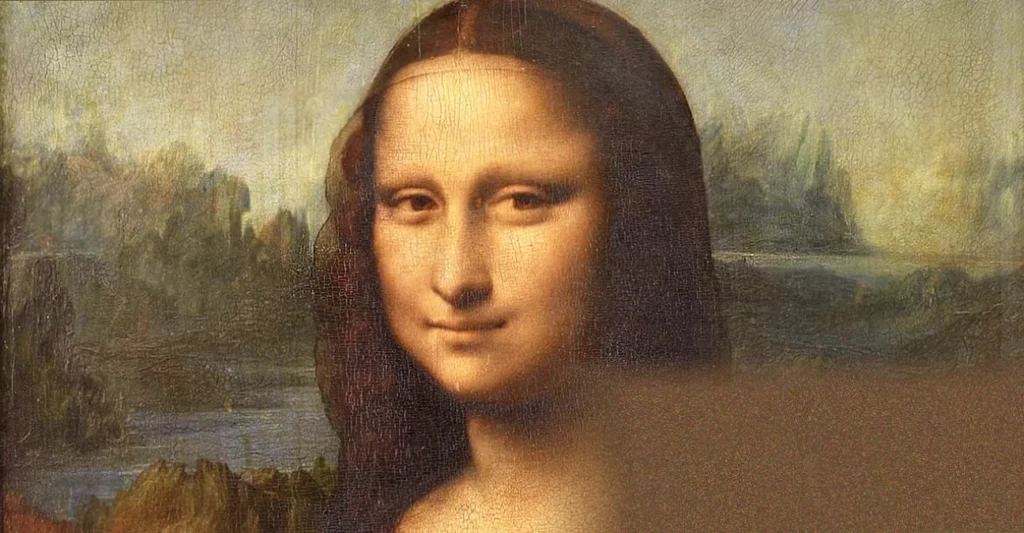
The hollowed cheeks, sunken temples and gaunt under-eye contours of what is already being called “GLP-1 face” could soon become the defining aesthetic of a new era in art, reshaping how beauty is portrayed just as radically as the plump cherubs of the Renaissance or the emaciated models of the 1990s. With millions turning to weight-loss drugs such as Wegovy and Mounjaro, researchers are now asking whether the world’s most famous portrait—the Mona Lisa—represents the last of an old ideal, and whether future masterpieces will celebrate the rapid-fat-loss look instead.
The rise of the GLP-1 face
The term “GLP-1 face” describes the aged or tired appearance that can result from the swift loss of fat in the cheeks, temples and under-eye areas among people using GLP-1 receptor agonists. Dr Michael Yafi, a paediatric endocrinologist at the University of Texas, Houston, presented research at the European Congress on Obesity in Istanbul speculating that as more people use these drugs, artists will inevitably start depicting that look. “I am sure that if Picasso had been alive today, he would have painted it,” he told the conference.
Professor Rosalind Gill, a fellow of the British Academy and professor of inequalities in media, culture and creative industries at Goldsmiths, sees clear parallels with earlier beauty movements. While the GLP-1 face is often regarded negatively, she argues that humans have the capacity to perceive beauty in all kinds of faces and bodies. “Features of this hollowed-out look are definitely becoming desirable – in a similar way to ‘heroin chic’ in the 1990s and, before that, the resignification of certain iconic images of people with Aids as beauty ideals,” she said. Gill points to a voracious consumer culture in which brands are constantly searching for new looks to sell, making it “eminently possible that a variant of GLP-1 will become a new cultural ideal – also reflected in art.”
The UK beauty industry is already responding to the physical changes associated with rapid weight loss, with a growing market for products targeting skin laxity, volume restoration and hair thinning. Concerns dubbed “Ozempic face” and “Ozempic mouth” are driving demand for facial rejuvenation treatments, while the UK government has issued warnings against the misuse of GLP-1 therapies for purely cosmetic reasons, stressing that they are intended for medical use. At the same time, the industry is witnessing a counter-movement of consumers seeking slower, holistic approaches to health.
From Rubens to Renoir: how art once celebrated fullness
For centuries, corpulence in art was a marker of wealth, status and well-being. From plump cherubim and angels in Renaissance paintings to the voluptuous figures of Rubens and Renoir, overweight and obese individuals were portrayed positively. “Strong men, leaders, royal families, religious people, high people in the society were portrayed with high BMI,” Yafi said. “Beautiful women and models were also portrayed with high BMI.”
That perception began to shift only in the second half of the 20th century, when scientists discovered the links between saturated and trans-fats and metabolic and cardiovascular disorders. “This led to images of thin, often unrealistically thin, men and women being glorified and obesity being stigmatised,” Yafi explained. “Suddenly, thin people became beautiful and the women who inspired artists for centuries were no longer considered attractive.”
The Mona Lisa herself has not escaped medical speculation. Some experts have suggested that Leonardo da Vinci’s sitter may have had hypothyroidism, citing her thinning hair, yellow skin, possible goiter and facial lesions; others have proposed lipid disorders, heart disease or Bell’s palsy. “Some scientists believe Leonardo da Vinci’s Mona Lisa was very unhealthy and that she had a problem with her BMI, cholesterol and severe hypothyroidism,” Yafi noted, though he added: “We don’t know because we cannot go back and make a diagnosis, we are just analysing her features.”
How art might evolve – and why experts urge caution
Contemporary art has long engaged with trends in aesthetics, body image and health – painters and photographers have made art featuring cosmetic surgery, for example. Yafi believes the exponential growth in weight-loss jabs will push that further, so that future artworks depict thin people with gaunt, rapidly slimmed faces. He stressed that understanding how society’s definition of beauty has changed could help doctors provide better, more empathetic care. “If physicians see that obesity was for centuries viewed as a positive thing, it will help them be non-judgmental and more empathic,” he said, allowing them to treat patients more holistically and ultimately successfully.
Yet not everyone is convinced that the next Mona Lisa will wear a GLP-1 face. Art historian Bendor Grosvenor, a specialist in Old Masters and British art who has appeared on BBC programmes such as Britain’s Lost Masterpieces, cautioned against jumping to conclusions. “Poor Mona Lisa, she’s always being diagnosed with something she almost certainly never had. If a doctor today diagnosed someone only on the basis of how their face looked, we wouldn’t take them seriously,” he said. “Art is art, and a portrait – even one by Leonardo – is usually about so much more than likeness, let alone health. This is as likely for the art of the future as the art of the past.”
The Brazilian painter Fernando Botero, who continues to celebrate heavier figures in his work, stands as a reminder that not every artist will follow the trend. But with the beauty industry already adapting its products to the new reality, and a consumer culture hungry for the next look, the hollowed cheeks of GLP-1 face may well find their way onto the canvas.