

Health experts have warned that Rachel Reeves’ plan to cut the price of biscuits and chocolate by suspending import tariffs could worsen the UK’s obesity crisis, as a quarter of adults already live with the condition and diets high in ultra‑processed foods are linked to type 2 diabetes and heart disease.
Expert warnings over unintended consequences
Nutritionist Rob Hobson said making snack foods cheaper would “increase accessibility and normalise greater consumption of foods people already over consume in the UK diet”. He told the Independent he would much rather see support for foods that are under‑consumed, such as fruit, vegetables, pulses and wholegrains, which are “consistently linked with better long‑term health outcomes but they are often perceived as expensive or less accessible”.
Dietitian Duane Mellor said the government needed to be “careful” that reducing tariffs to lower food prices did not have “unintended consequences”. “Although it seems like a good idea to reduce the cost of food, it is important that policies to help manage food costs should improve health,” he said. He suggested using tools such as VAT alongside price reductions to make healthier foods cheaper.
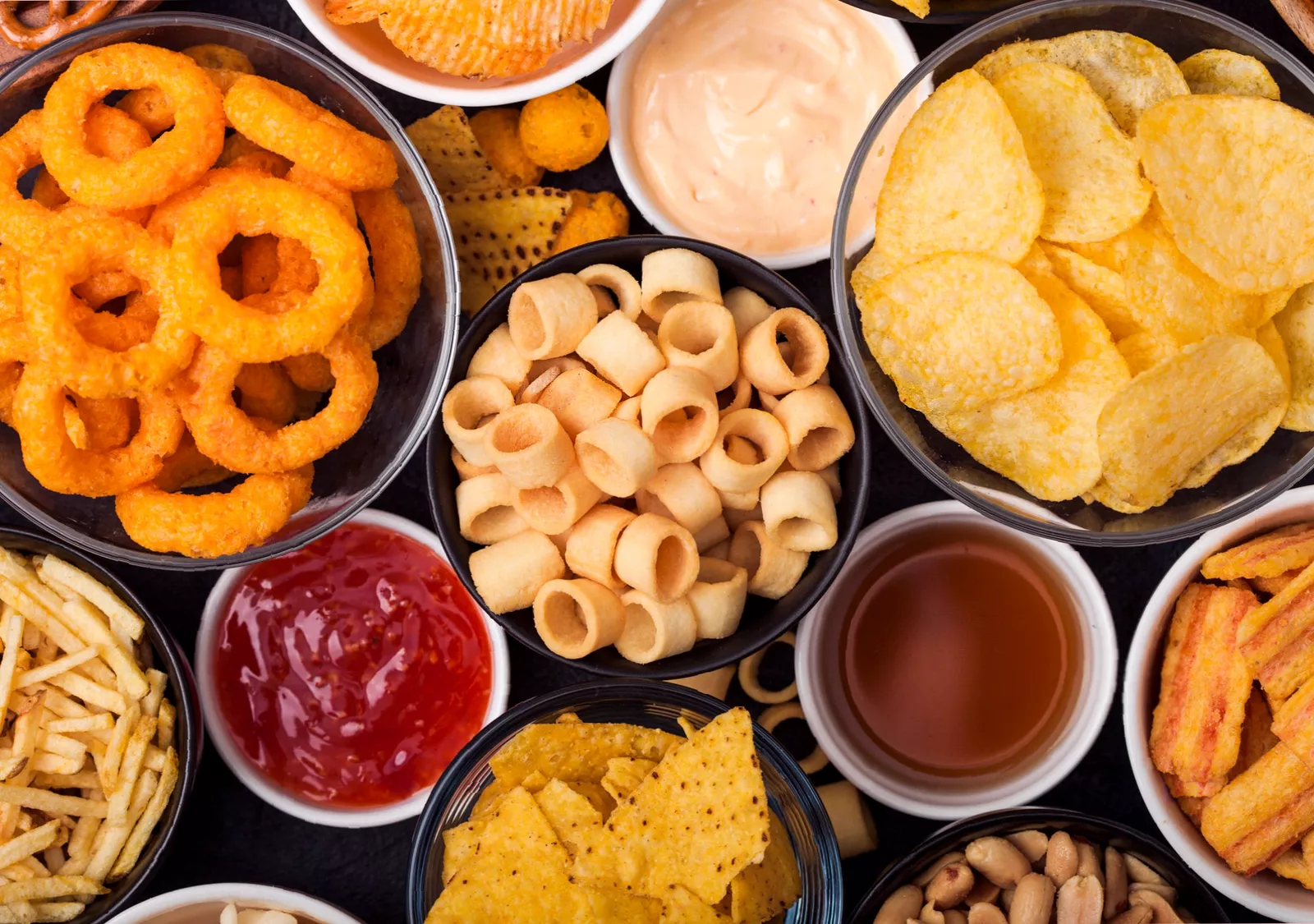
Kim Pearson, a nutritionist who specialises in weight loss, said the “midst of a chronic health and obesity crisis” was not the time to cut the price of snack foods. “We should definitely not be implementing policies that will likely further encourage the consumption of ultra processed foods,” she told the Independent. She added that many of the products highlighted – crisps, biscuits, chocolate and sugary condiments – are “typically high in refined starches, sugar, unhealthy fats and additives”, with excessive consumption linked to obesity, type 2 diabetes and poorer overall health.
Professor Alexander Miras, clinical professor of medicine at Ulster University, said he was “disappointed” that chocolate and biscuits could be reduced while healthy food remains more expensive. “The cost of healthy food is higher than that of unhealthy food and it is the former that should be lowered. I am sure the government is aware of what they need to do and hope that they do the right thing,” he told the Independent.
Naveed Sattar, professor of cardiometabolic medicine at the University of Glasgow, said the government should incentivise healthier foods. “Improving health outcomes may require a dual approach: incentivising healthier, fibre‑rich foods (e.g. fruit and vegetables) while increasing the cost of less healthy options. Such measures could help nudge individuals towards better dietary patterns, particularly if healthier choices become more affordable,” he told the Independent.
Government’s tariff reduction plan
The chancellor announced she would slash import tariffs on more than 100 food and drink staples, with the full list expected to be published next week. The Treasury explained the list is based on food categories frequently bought by households and is expected to include baked beans, marmalade, crisps, margarine, biscuits, chocolate and tomato ketchup, as well as some fruits, juices and nuts such as oranges, peaches, nectarines, lemons and melons. The move could save consumers a combined £150 million per year, according to Treasury estimates.
Reeves told the Commons she expects supermarkets to pass these savings “in full” to customers, and said she will “not tolerate any company exploiting the current situation”. The measure is part of a broader package to tackle the cost‑of‑living crisis, with food inflation having risen significantly in recent years. Similar tariff suspensions were implemented in April 2026 on items including pasta, juices, tuna, oranges and peaches until the end of 2028, with an estimated annual consumer benefit of £100–£400 million.
The scale of the health challenge
Obesity is a major public health issue in the UK. According to the NHS, about a quarter of adults are living with obesity and diets high in ultra‑processed foods – which includes sugary and salty snack foods such as chocolate – have been linked to an increased risk of type 2 diabetes and heart disease. More detailed data from the government indicates that in 2022/23, 29% of adults in England were living with obesity, with 64% being either overweight or obese. Rates have doubled since the 1990s among both adults and children.
Childhood obesity is particularly concerning. In 2023/24, 9.6% of reception‑aged children (4–5 years) in England were obese, with a further 12.4% overweight. For Year 6 children (10–11 years), these figures rose to 22.1% obese and 13.8% overweight. Between 2019‑20 and 2020‑21, obesity levels in reception‑aged children rose from 9.9% to 14.4%, and for Year 6 children from 21% to 25.5%.
The economic burden is substantial. A 2025 study estimated the total cost of overweight and obesity to the UK economy at £126 billion per year, encompassing NHS care, years spent in poor health and lost economic productivity. The annual cost to the NHS alone is put at £11.4 billion. Researchers have calculated that a reduction in daily intake of just 50 calories could lift millions out of obesity.
The government has previously pursued policies to combat obesity, including the soft drinks industry levy – which between 2015 and 2020 reduced the average sugar content of taxed drinks by 46% – as well as mandatory calorie labelling, restrictions on the placement of foods high in fat, sugar or salt in supermarkets, and plans to tighten advertising rules. Critics point to an apparent contradiction between those strategies and the decision to make biscuits and chocolate cheaper.
Health experts have also noted that VAT on food currently treats fresh fruit and vegetables more favourably: standard VAT (20%) applies to most processed foods including chocolates and crisps, while fresh produce is zero‑rated. Some argue that using the tax system to further incentivise healthier choices could be more effective than simply cutting prices on all tariff‑affected goods.