


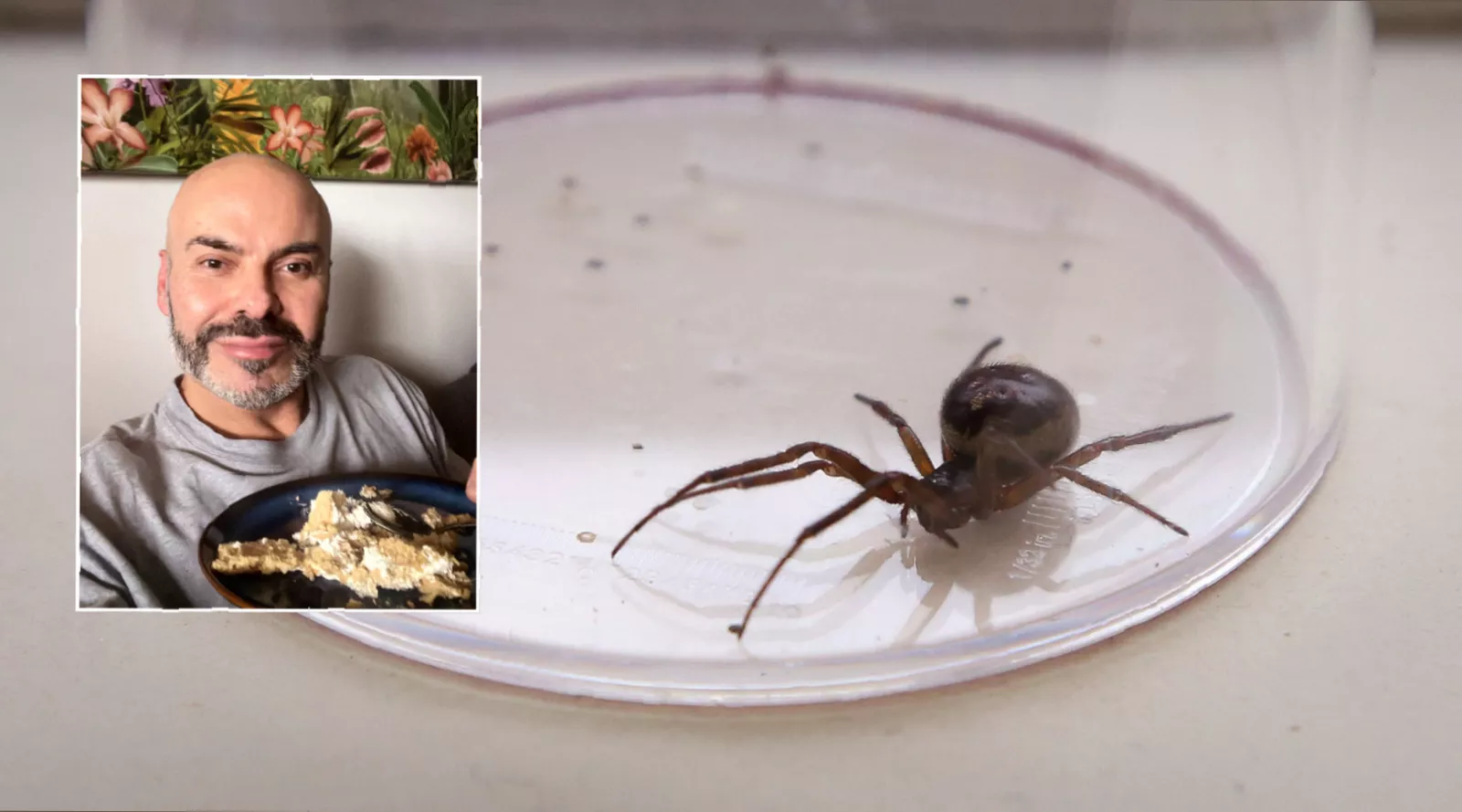
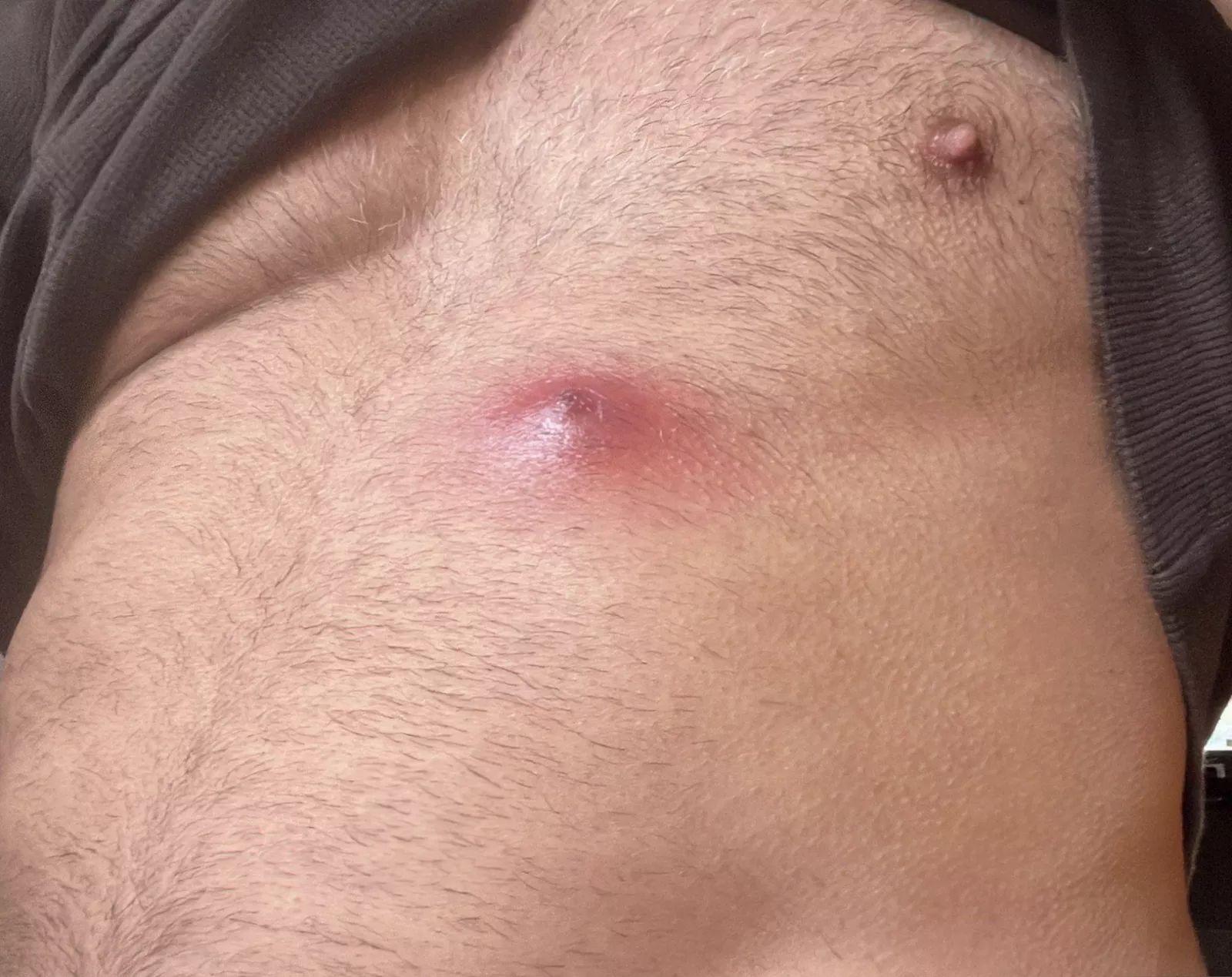
A man needed surgery after a suspected false widow spider bite left a hole in his chest, with doctors forced to remove a 50p-sized chunk of infected skin from the wound. Adrian Martel, a 49-year-old yoga teacher and circus performer from Rotherhithe, east London, believes the bite occurred when he accidentally crushed a spider while putting on the seatbelt of his MINI convertible. The location of the injury – exactly where the belt rests across his chest – led him to conclude that the creature had crept into the vehicle unnoticed and was trapped against his skin.
The ordeal began on April 7 when Mr Martel felt an itchy sensation on the left side of his chest. The next day a small bump appeared, which he initially dismissed as a rash. But when the discomfort became unbearable during a yoga class the following Monday, he decided to visit an urgent care centre. There, doctors told him it was an ingrown hair and sent him home with a course of antibiotics. Mr Martel said: “I’ve had ingrown hairs before and I know how they feel. The next day it was worse.”
Over the following three days the lump turned black and developed into what he described as a “massive crater” oozing pus. He returned to hospital and was taken into A&E, where surgeons removed a piece of infected flesh larger than a 50p coin. Mr Martel said he had started feeling a fever and low energy the night before the operation. “The wound would’ve just carried on growing [without surgery],” he told reporters. “It’s the sort of thing you think will never happen to you.”
Misdiagnosis highlights challenge of identifying spider bites
The initial misdiagnosis as an ingrown hair illustrates a known difficulty in recognising spider bites, particularly in their early stages. Mr Martel said he was simply told to wait for the antibiotics to take effect. When he returned two days later, the wound had deteriorated dramatically. Doctors could not confirm the cause definitively, but Mr Martel suspects the UK’s most dangerous arachnid – the noble false widow spider (Steatoda nobilis) – was responsible. “I don’t think it would be any other spider apart from a false widow,” he added.
False widow spiders are not aggressive and typically bite only when threatened or accidentally squashed. Mr Martel believes the spider was lurking on the seatbelt of his car. “I have a MINI Convertible and sometimes I see a spider inside the car. I never saw the spider bite me or anything,” he said. “Because of where the bite is, when I put the seatbelt on I must’ve squished the spider and that’s where it bit me.”
The rise of the noble false widow
The incident comes amid a sharp increase in hospital admissions linked to spider bites across the UK. Provisional NHS figures show that there were 100 admissions in 2025, up from 47 in 2015 – a rise that is being attributed to the growing population of the noble false widow. Of those admissions, 73 were through A&E departments in 2025, compared with 38 a decade earlier.
The noble false widow first arrived in Britain in the 19th century as an accidental import, likely in fruit shipments from Madeira and the Canary Islands. Initially confined to the south coast of England, its range has expanded significantly northwards across the UK and Ireland in recent decades. Scientists believe warmer winters and global warming have enabled the spread. It is now described by academics as the most hazardous spider currently reproducing on British soil.
It is the largest of three common false widow species in the UK, with females growing to a body length of up to 14 millimetres. The spider has a shiny, bulbous abdomen that is typically purplish-brown to black, often marked with cream patterns that can resemble a skull. Its legs are reddish-orange or bronze-brown, and it builds messy, tangled webs in warm, sheltered environments – including sheds, attics, garages, conservatories, kitchens and even inside vehicles. The spider can be found year-round, both indoors and outdoors.
While most false widow bites are mild – comparable to a bee or wasp sting, with redness, swelling and itching – severe reactions can occur. These include blistering, tissue necrosis and significant pain. A key concern is secondary bacterial infection, which can arise from bacteria carried on the spider’s fangs. Such infections can lead to cellulitis, sepsis and, in rare cases, require amputation or become life-threatening. Some victims have also reported systemic symptoms including fever, tremors, reduced or elevated blood pressure, nausea, impaired mobility, dizziness and confusion.
Clive Hambler, an Oxford University ecologist and lecturer at Hertford College, warned: “The days when you could just treat spiders as benign in Britain are over.” He described the noble false widow as “the most dangerous spider breeding in Britain”. However, experts caution that media coverage can lead to sensationalism, and that there have been no confirmed fatalities from any spider bite in the UK, including the noble false widow. Dr Michel Dugon has noted that increased media attention may also lead people to misattribute other injuries to spider bites.
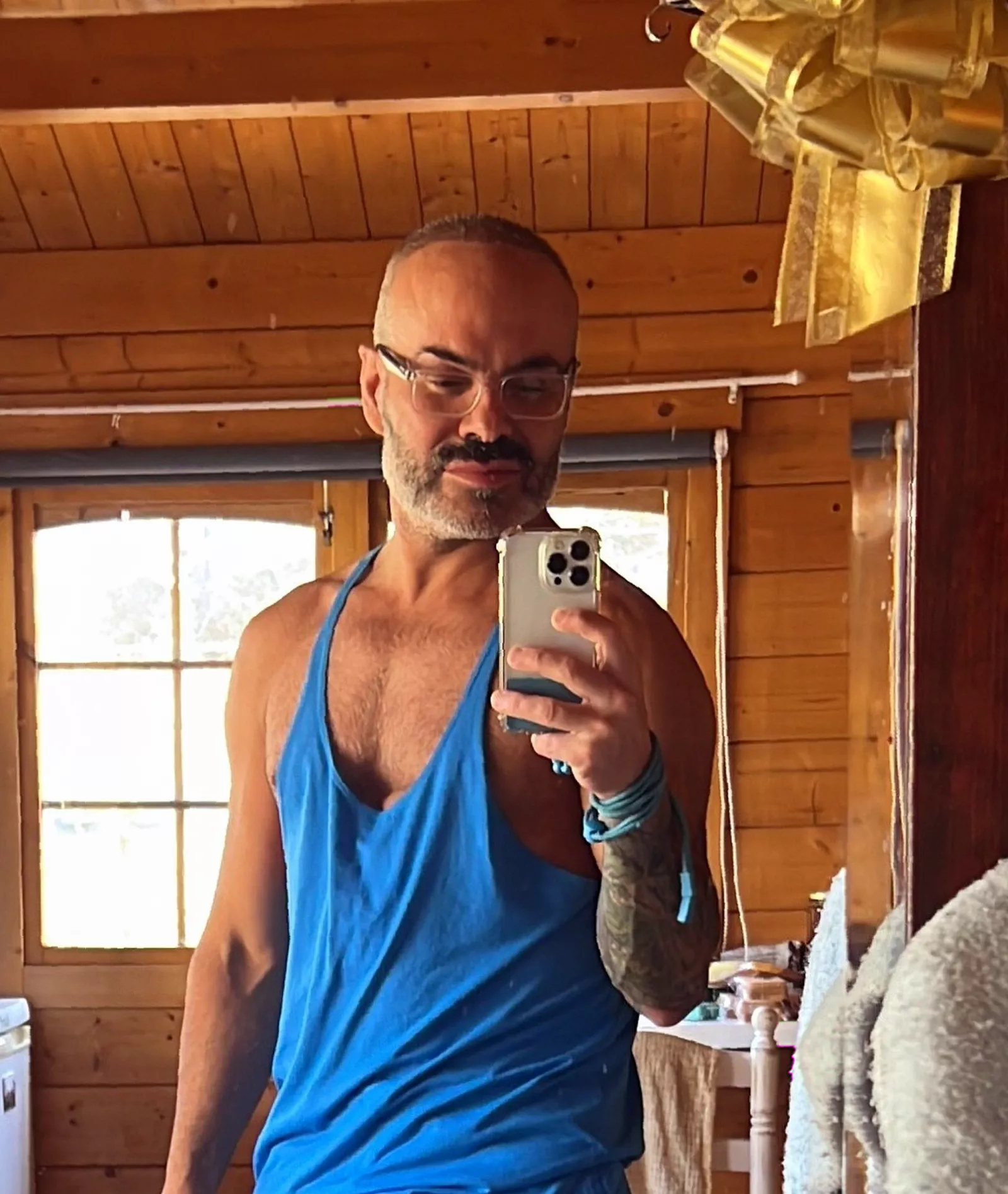
Mr Martel, who previously used to leave spider webs undisturbed in his home, said the experience has changed his habits. “Now I hoover them all,” he said.