


Scorching bank holiday: Heatwave alerts across England
As the UK swelters through a bank holiday weekend that could break the all-time May temperature record, health experts are urging people to rethink their go-to drink for staying hydrated. With the mercury expected to hit 33°C – surpassing the previous May high of 32.8°C set in 1944 and 1922 – a doctor has suggested that a glass of milk may keep you hydrated for longer than water.
The UK Health Security Agency (UKHSA) has described the level of heat health alerts at this time of year as “extraordinary”. An amber alert – the second of three warning tiers – has been issued for the East Midlands, West Midlands, East of England, London and the South East, and will remain in force until 5pm on Wednesday, May 27. Meanwhile, a yellow alert is in place for the North East, North West, Yorkshire and the Humber, and the South West.
The alerts indicate a potential risk to life, disruption to services and increased demand on the NHS, particularly for vulnerable groups including those aged over 65, people with pre-existing respiratory or cardiovascular conditions, and young children. The government body has also warned that the rush to switch on fans and air-conditioning units could push electricity demand beyond capacity, with the grid increasingly vulnerable to severe weather after one of the driest Aprils on record in central and southern England left river levels below normal.
While the standard advice is to drink plenty of fluids and stay out of the midday sun, Dr Natasha Fernando, medical director at Medichecks, says water does not have to be the only option. “A lot of buildings in the UK aren’t well equipped to deal with extreme heat, so it’s more important than ever to look after your hydration levels throughout periods of hot weather,” she said. “However, you don’t have to stick to water alone to boost hydration levels.”
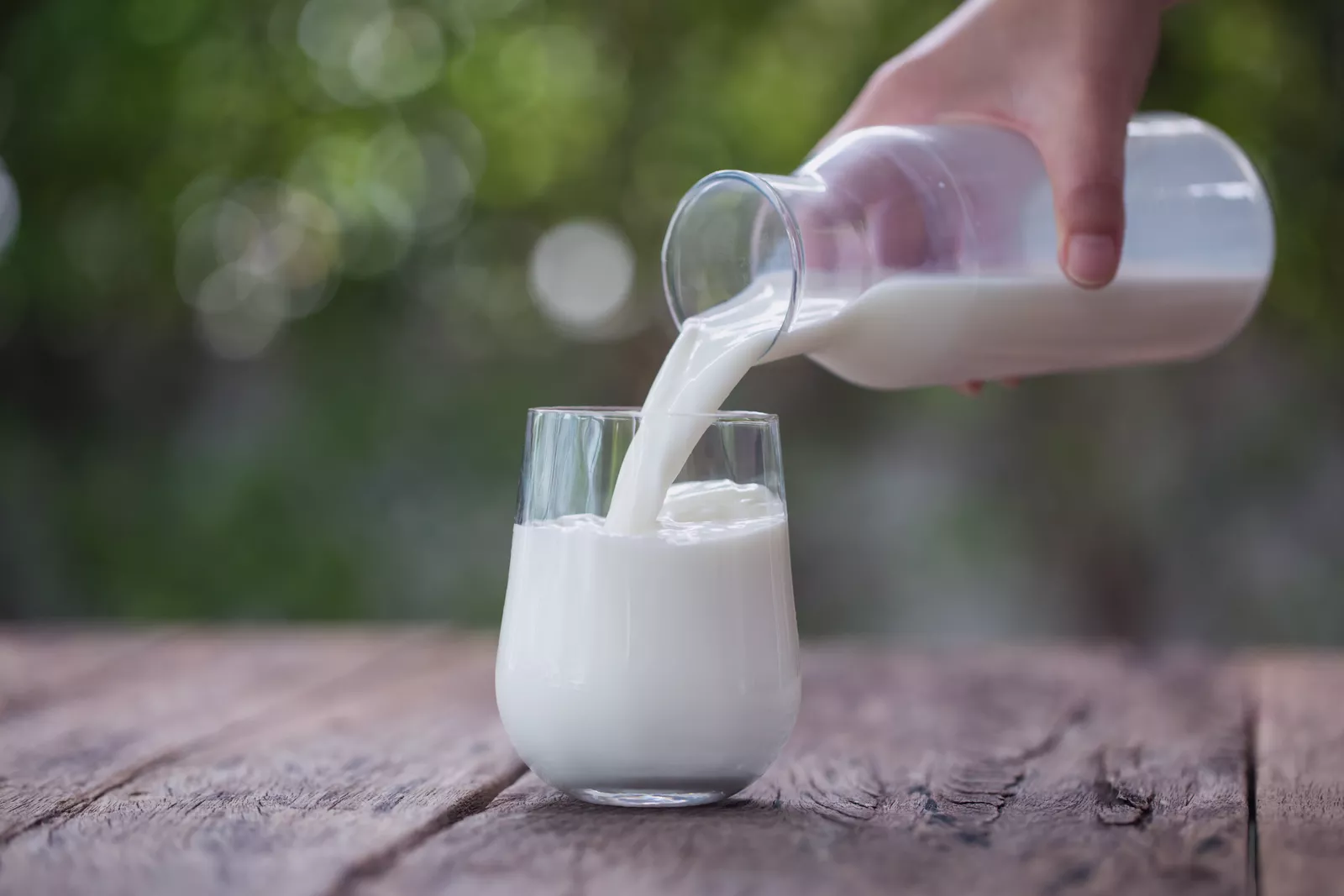
Dr Fernando explained that milk “may be more hydrating than water” because of its composition. The sugar, protein and fat content in milk slows the rate at which fluid empties from the stomach, meaning the body absorbs it over a longer period. It also contains sodium, which helps the body hold on to water, further aiding hydration. For those who are lactose intolerant or prefer plant-based alternatives, she highlighted that soya milk contains electrolytes – including sodium and potassium – which also assist rehydration. Research has shown that soya beverages do not negatively affect fluid balance compared to cow’s milk.
Dr Fernando also recommended other hydrating foods and drinks to help stay cool. Watermelons, which are nearly 92% water, provide natural sugars and potassium. Cucumbers, composed of about 95% water, offer trace minerals and mild diuretic properties. Coconut water is high in electrolytes like potassium, sodium and magnesium, making it a natural choice for maintaining fluid balance. Fresh fruit juices diluted with water can also boost hydration, she added.
Another counter-intuitive tip, often passed down by older relatives, is that a hot drink on a warm day can actually cool you down. Professor Peter McNaughton, a neuroscientist at the University of Cambridge, explained the mechanism: “The hot drink somehow has an effect on your systemic cooling mechanisms, which exceeds its actual effect in terms of heating your body.” The heat triggers increased sweating, and as sweat evaporates from the skin, the body cools. He noted that this is “probably why chilli peppers are so popular in hot countries – they cause sweating and activate a whole raft of mechanisms which lower the temperature.” However, there is a crucial caveat: the cooling effect only works if sweat can evaporate. In humid conditions or if you are wearing heavy clothing, a hot drink may leave you feeling warmer. For that reason, a cold glass of milk is likely a safer bet than a milky cuppa.

The NHS advises that the symptoms of dehydration in adults and children include feeling thirsty, producing dark yellow or strong-smelling urine, urinating less often than usual, feeling dizzy or lightheaded, tiredness, a dry mouth, lips and tongue, and sunken eyes. In cases of severe dehydration – marked by unusual tiredness or drowsiness, confusion or disorientation, dizziness when standing that does not go away, rapid breathing or a fast heart rate, no tears when crying (in babies and children), or a sunken fontanelle (the soft spot on a baby’s head) – people should call 111 urgently. Mild dehydration can be treated by drinking plenty of fluids, taking small sips if nausea makes it difficult, and oral rehydration solutions are available from pharmacists. Caffeinated drinks and alcohol should be avoided as they can worsen dehydration.
The advice challenges the popular cultural image of milk as a poor choice in the heat, immortalised by the film Anchorman in which Ron Burgundy – after drinking milk in the scorching sun – famously declares, “Milk was a bad choice.” But according to the latest expert guidance, for those looking to stay properly hydrated during this unprecedented May heatwave, the white stuff may actually be the smartest option.