

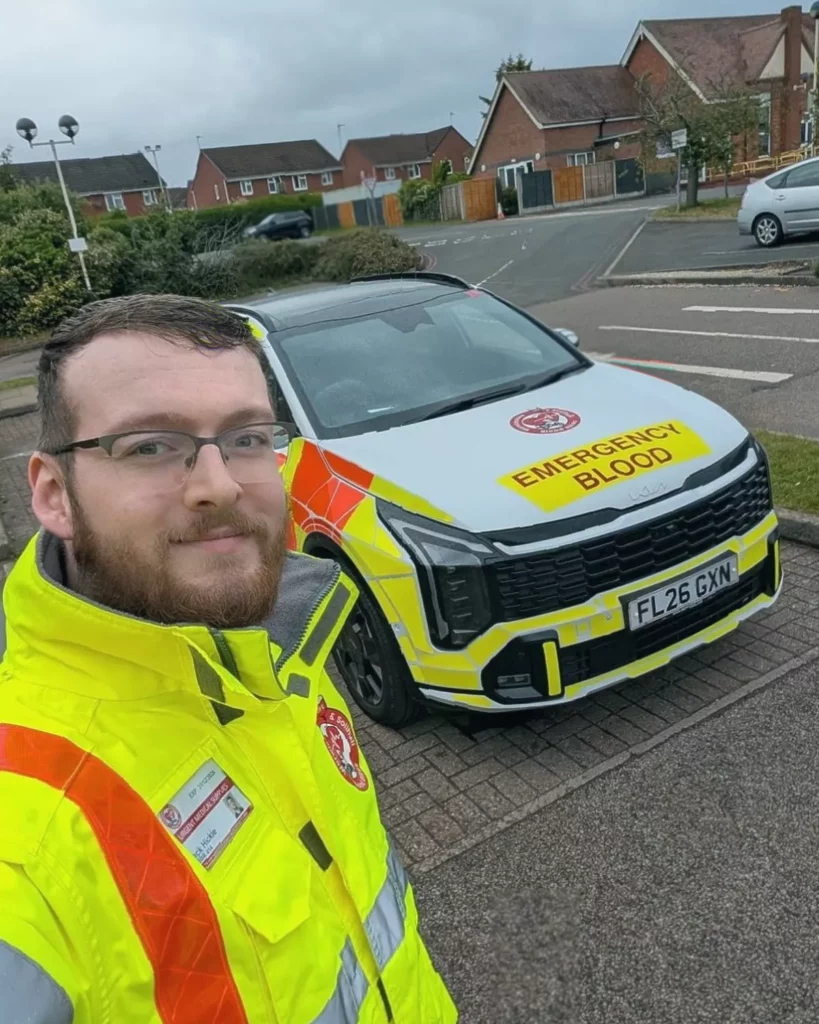
Volunteer “blood bikers” have completed their 30,000th life-saving delivery for the NHS, a landmark achieved a decade after the charity first took to the roads.
The Warwickshire and Solihull Blood Bikes (WSBB) group, which operates around the clock, 365 days a year in all weather conditions, reached the milestone when driver Jack Hickie transported a donation across the West Midlands. The charity, run entirely by unpaid volunteers, provides a free-of-charge service to hospitals in Warwickshire, Coventry and Birmingham, ferrying not only blood but also medical samples, medication, donor breast milk, surgical tools and other vital supplies.
A Decade of Life-Saving Deliveries
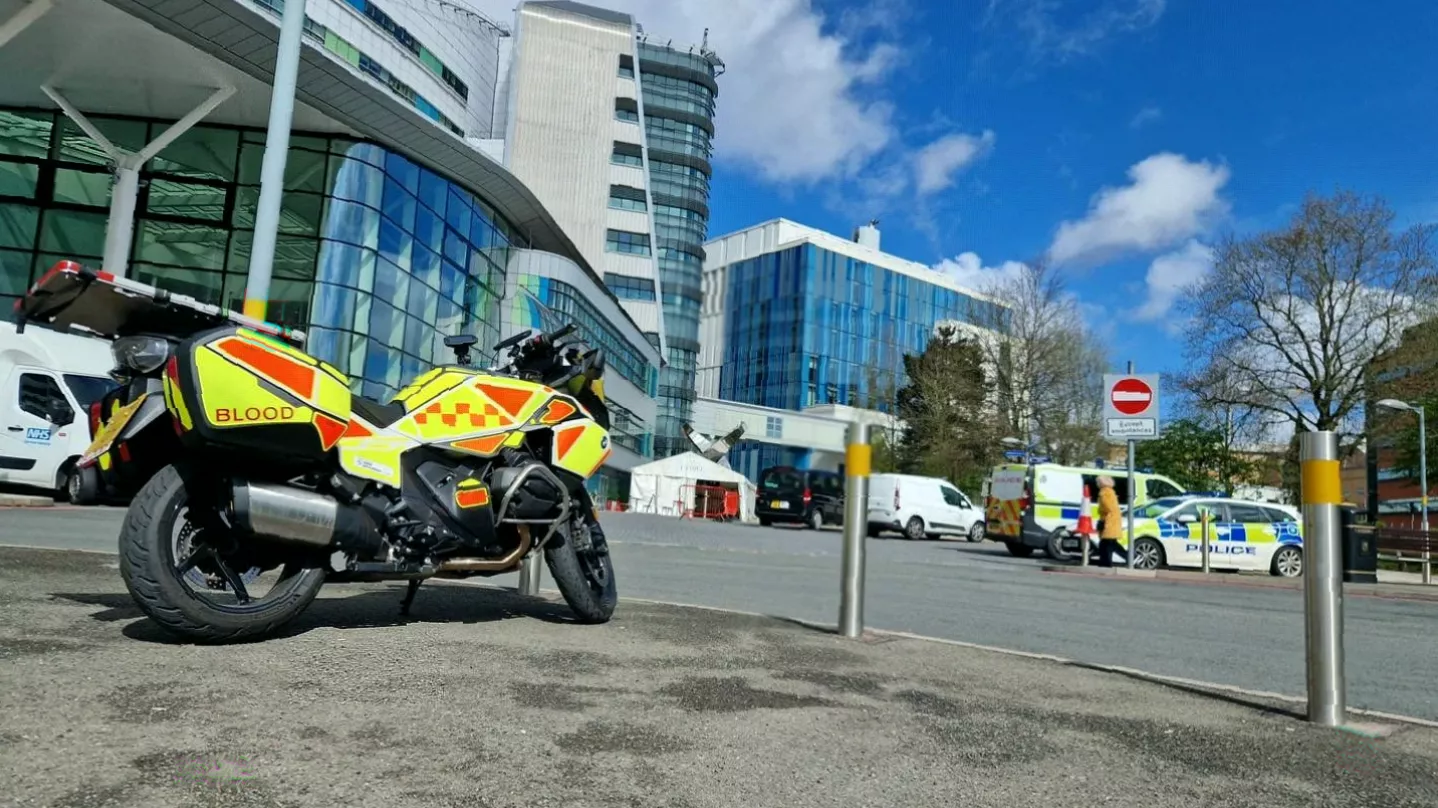
The WSBB estimates that its work saves NHS trusts in its operational area more than £300,000 annually. Nationally, blood bike charities are thought to save the health service approximately £1.4 million a year from their journeys. The group’s fleet includes a specially adapted BMW R1250RT motorcycle, which has covered over 50,000 miles in the last three years transporting blood and samples.
In a single recent week, the team completed 65 jobs for the NHS without charge, with deliveries ranging from Warwick to Liverpool and across the SWFT hospital network. A spokesman for the group said: “Every job we complete helps the NHS deliver the best possible care to local communities, and with us on track to complete 5,000 jobs this year, more people than ever will benefit from our service. Thank you to everyone for your continued support on to 40,000.”
The Critical Need for Blood Donors
The milestone reached by the blood bikers underlines a far broader challenge: the NHS is struggling to maintain a sustainable blood supply. NHS Blood and Transplant (NHSBT) says it needs approximately one million active donors to keep the nation’s blood stocks safe, but currently falls short by more than 200,000 donors each year. Just two per cent of the UK population are regular blood donors, meaning fewer than 800,000 people sustained the whole of England’s supply over the past 12 months.
Low stocks prompted officials to issue an “amber alert” for hospitals in 2024 — a measure designed to conserve blood and restrict its use to essential cases. A “red alert” would signal that supply is so low it poses a direct threat to public safety, potentially forcing the postponement of non-urgent surgeries. The situation was worsened by a cyberattack on London hospitals in July 2024, which led to an amber alert specifically for O-type blood as disruptions to blood-matching procedures forced hospitals to rely more heavily on the universal donor type.
There is a “critical” need for more donors with O negative blood, the universal type used in emergencies when a patient’s blood group is unknown, according to NHS officials. Although only eight per cent of the population have O negative blood, it accounts for between 13 and 16 per cent of hospital demand. Blood has a shelf life of just 35 days, meaning the supply requires constant replenishment.
There is also an urgent and specific call for more black donors. Sickle cell disease — the UK’s fastest-growing genetic condition — disproportionately affects people of Black African and Black Caribbean heritage, and ethnically matched blood, particularly the Ro subtype which is more common in black donors, provides the best treatment. Demand for blood to treat sickle cell has risen by roughly 67 per cent in the last five years, and NHSBT estimates that 40,000 new black heritage donors are needed annually.
NHS Blood and Transplant is also appealing for younger donors, as the number of donors aged over 45 has overtaken those under 45. In 2020, Asian donors made up just three per cent of whole blood donors in England, and black donors only one per cent. Recent campaigns have increased registrations from black heritage communities, but only about 24 per cent of new registrants go on to donate.
Dr Jo Farrar, chief executive of NHS Blood and Transplant, said: “There are many thousands of people who donate regularly and help us keep patients alive. Thank you. You are amazing. You keep the NHS going and save and transform thousands of lives a year.”