

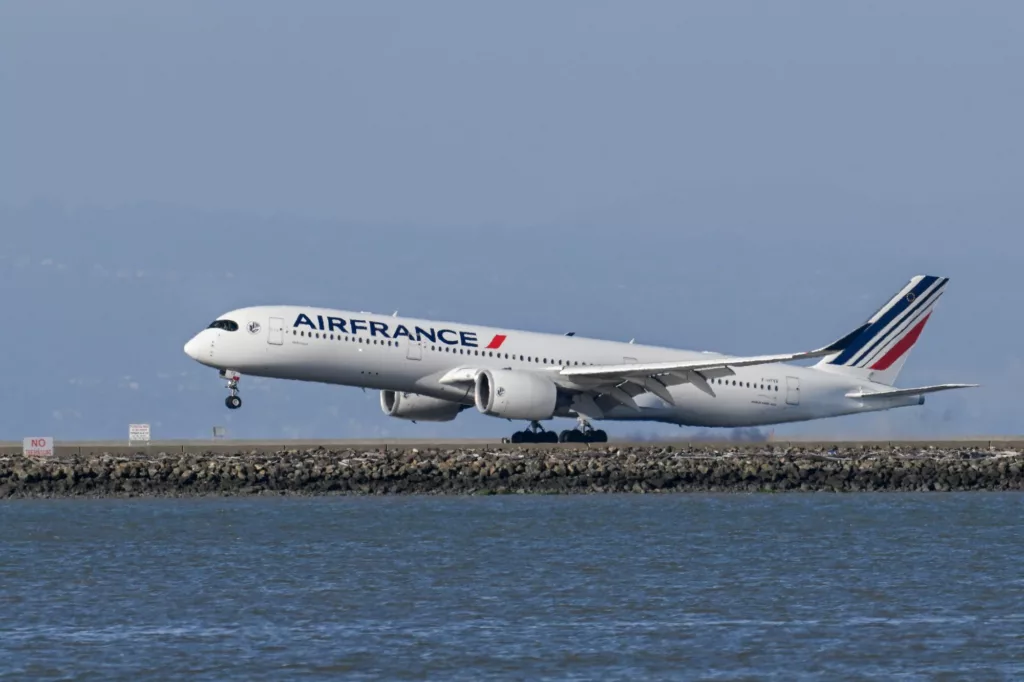
A passenger who had been in the Democratic Republic of the Congo (DRC) boarded an Air France flight to the United States “in error” yesterday, triggering an emergency diversion after new US entry restrictions designed to contain the Ebola outbreak came into force.
The aircraft, flight AF378, was travelling from Charles de Gaulle Airport in Paris to Detroit Metropolitan Wayne County Airport when it was forced to land in Montreal, Canada. US Customs and Border Protection (CBP) said the plane was rerouted because a Congolese national on board should not have been permitted to travel to the US under rules introduced this week to combat the spread of the virus.
Diversion and passenger removal
Passengers were told of the change of plan roughly four hours before the scheduled landing. Deborah Mistor, who was on the flight, said cabin crew donned masks after the captain announced the diversion. “I think enough people must have been questioning what was going on because 30 minutes later, he came back on and said that he wanted to confirm that there was nothing wrong with the plane, there were no technical difficulties, that it was strictly because of US authorities not allowing us to land in the US,” she said.
After landing in Montreal, the passenger was assessed by a Public Health Agency of Canada Quarantine Officer. In a statement, Health Canada said: “A Public Health Agency of Canada Quarantine Officer assessed the traveller and determined they were asymptomatic.” The individual was subsequently flown back to France. The same aircraft then continued to Detroit with the remaining passengers.
Air France confirmed the diversion was ordered by US authorities, explaining that “a Congolese passenger on board was denied entry into the United States”. The airline stressed there had been no medical emergency on the flight and that it was complying with entry requirements.
New US entry restrictions explained
The diversion occurred on the same day the US government introduced sweeping travel restrictions aimed at stopping Ebola from reaching American soil. Announced on 21 May 2026, the measures ban foreign nationals who have been in the DRC, South Sudan, or Uganda during the 21 days before their travel from entering the United States. The restrictions apply to anyone who is not a US citizen or lawful permanent resident.
American citizens, US nationals, and lawful permanent residents who have visited those three countries in the preceding three weeks are not barred from entry but face enhanced screening. Crucially, their flights must land at Washington-Dulles International Airport in Virginia, a designated port of entry with the infrastructure to handle public health assessments. The rules, implemented under Title 42 of the Public Health Service Act, were set to remain in force for 30 days.
US Customs and Border Protection officials said the measures formed part of a layered strategy to reduce the risk of the virus spreading into the country. The Centres for Disease Control and Prevention (CDC) has assessed the immediate threat to the general American public as low.
Because the passenger on AF378 was a Congolese national who had been in the DRC, a country where the current Ebola outbreak is centred, he fell squarely within the new ban. CBP therefore prohibited the flight from landing in Detroit and redirected it to Montreal, where Canadian authorities handled the assessment. Officials did not specify when the passenger had last been in the DRC.
Passenger assessment and public health context
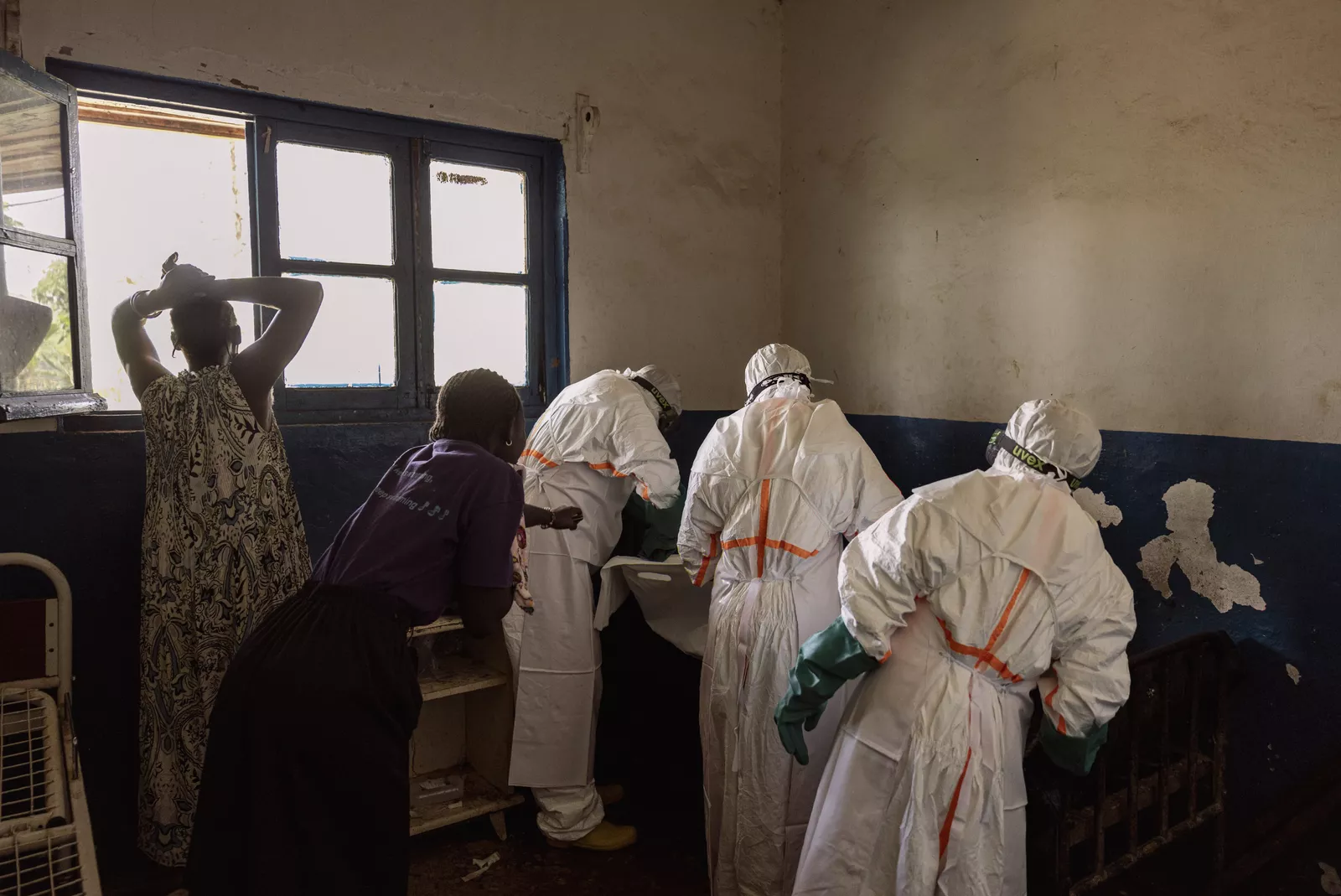
The fact that the individual showed no symptoms is significant, because the CDC says Ebola can only be transmitted after a person develops symptoms. The incubation period for the disease ranges from two to 21 days, with symptoms typically appearing eight to ten days after exposure. Early signs include fever, severe headache, fatigue, muscle pain, and weakness, followed later by vomiting, diarrhoea, abdominal pain, and, in some cases, bleeding. Ebola is spread only through direct contact with blood or bodily fluids of an infected person, or with contaminated objects – it is not airborne.
Health authorities in Canada did not impose an outright ban on travellers from the affected regions but assessed arrivals individually. As a precaution, one individual in Ontario was being tested for Ebola after a relevant travel history.
The Ebola outbreak in the DRC and beyond
The current outbreak is being driven by the Bundibugyo strain of the Ebola virus, first identified in Uganda in 2007. Unlike the Zaire strain responsible for the devastating West African epidemic of 2013–2016, no licensed vaccine or specific treatment exists for the Bundibugyo strain. The most promising vaccine candidate, based on the same technology as the Ervebo vaccine for the Zaire strain, is not expected to be ready for clinical trials for at least six to nine months. Another candidate developed using Oxford University’s ChAdOx platform could be available in two to three months, but with considerable uncertainty. Regeneron Pharmaceuticals’ antibody cocktail Inmazeb, approved for the Zaire strain, has shown potential activity against past Bundibugyo strains in laboratory tests, but deployment remains pending.
The outbreak is largely concentrated in the DRC, where over 600 suspected cases and at least 139 deaths had been reported by mid-May 2026. Two imported cases were confirmed in neighbouring Uganda. The World Health Organization declared the outbreak a “public health emergency of international concern” on 17 May, and the Africa Centres for Disease Control and Prevention declared a “Public Health Emergency of Continental Security” the following day. Operational challenges include insecurity, population movements linked to mining, and frequent cross-border travel, all of which raise the risk of further spread.
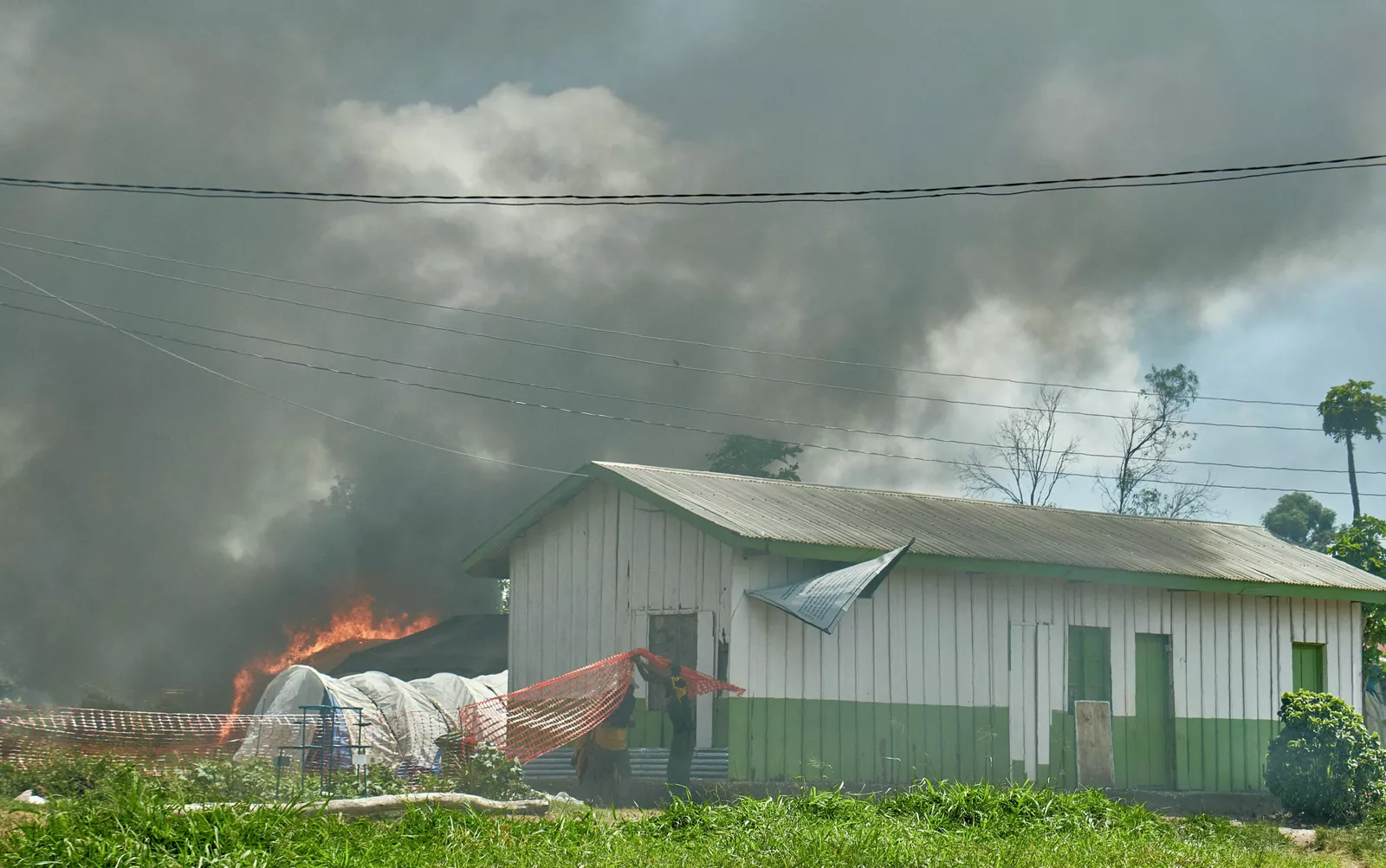
Inside the DRC, efforts to contain the virus have been hampered by local resistance. Temporary medical tents have been set on fire by Congolese residents who, according to reports, believe Ebola is “a white man’s invention” that “does not exist”. An American doctor working with a medical missionary group in the DRC has tested positive for the Bundibugyo strain and is being treated in a special isolation ward in Germany.