

MPs demand statutory ban and design restrictions
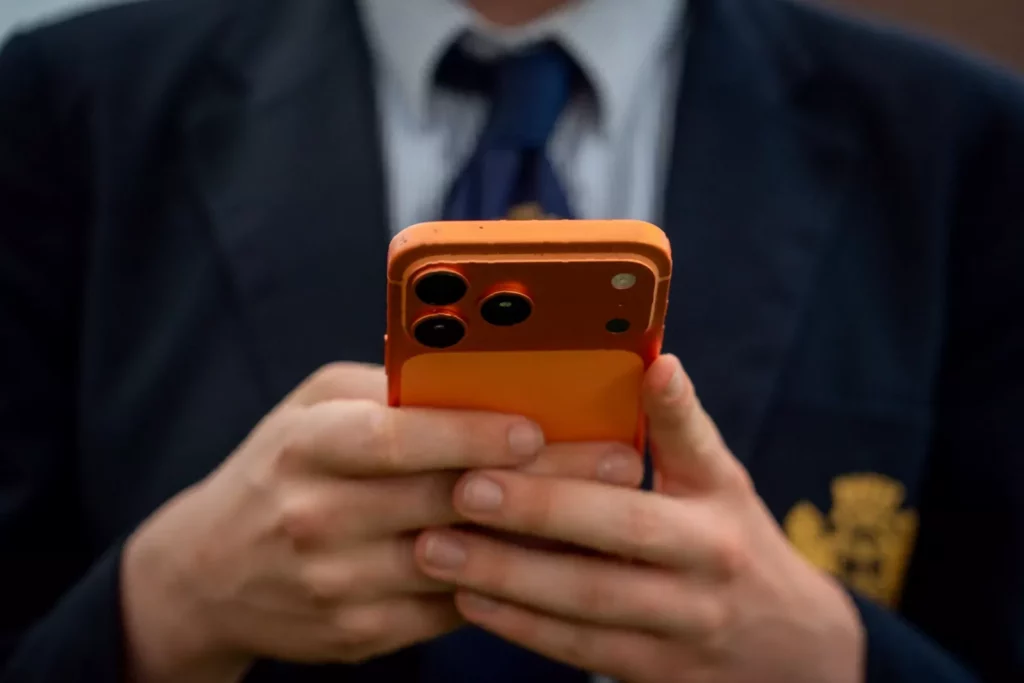
MPs on the cross-party Commons Education Committee have called for an outright statutory ban on social media for children under 16, warning that “addictive design” features are exposing young people to severe and systemic harm. In their response to the Government’s “Growing up in the online world” consultation, the committee demanded that platforms be forced to scrap or restrict features deliberately engineered to keep children online longer – including infinite scrolling, disappearing messages and algorithm-driven content personalised to maximise engagement.
The committee argues that social media companies have failed to take adequate responsibility, relying on “incremental improvements, voluntary measures and shared responsibility” which fall “way short of the level of accountability that is required”. They urged ministers to treat online harms as a safeguarding and public health issue and to require platforms to embed “safety by design” from the outset. Beyond a ban, the MPs want restrictions on the same addictive design elements to apply to all under-18s, and they stressed that a statutory ban should be seen only as a starting point rather than a complete solution. Tougher regulation, they said, should also extend to gaming platforms, messaging apps and AI chatbots increasingly used by children.
The committee’s report piles pressure on ministers who have already pledged to put school mobile phone guidance on a statutory footing. Under the Online Safety Act 2023, tech firms already face legal duties to protect children from harmful content, with Ofcom able to issue large fines for breaches. The Act requires platforms to prevent children from encountering pornography, suicide, self-harm and eating disorder content, and to protect them from other harmful material. Ofcom is actively investigating platforms for compliance with age-check rules. But critics of the current law, including the committee, argue it does not go far enough in tackling the platform design choices aimed at maximising engagement rather than child safety.
Evidence of severe and systemic harms
In their report, the MPs warned that children face a “deluge of serious harms” online, including bullying, misogyny, abuse and sexual exploitation. They linked the addictive design of platforms to poorer sleep, reduced attention spans, behavioural problems and a broader decline in mental health and wellbeing. NHS figures show that around one in five children now has a probable mental health condition, compared with one in nine in 2017, a trend the committee and campaigners blame directly on smartphones and social media.
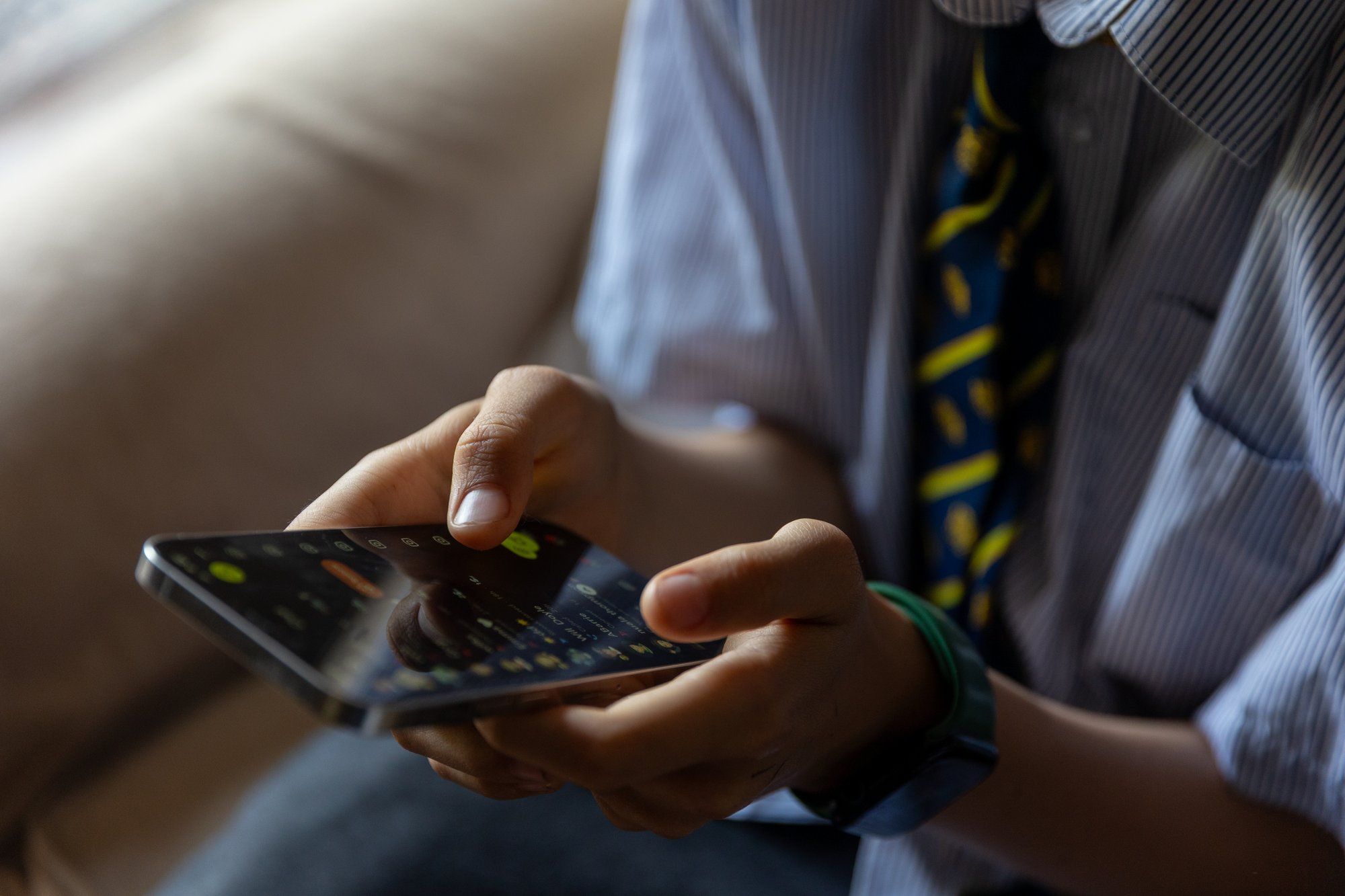
The NSPCC has highlighted growing concerns around “sextortion” scams, where children are blackmailed over explicit images. The National Crime Agency reports receiving more than 110 reports of child sextortion attempts each month, and two teenage boys have died by suicide after falling victim to online blackmail in recent years. According to the Internet Watch Foundation, 90% of sextortion victims in UK cases they dealt with in 2023 were male, aged 14 to 17. Research presented to the committee indicates that children are frequently exposed to harmful content without seeking it out, with significant percentages of girls and boys reporting receiving explicit material they did not want.
Cyberbullying remains widespread: 27% of UK children aged 8 to 15 who use social media have experienced some form of it, and children with probable mental disorders are significantly more likely to report being bullied online. A study from Imperial College London found that children using social media for more than three hours per day were more likely to develop symptoms of depression and anxiety. The Royal Society for Public Health has surveyed young people and found that platforms such as Snapchat, Facebook, Twitter and Instagram all led to increased feelings of depression, anxiety, poor body image and loneliness.
Committee chair Helen Hayes MP said: “From bullying and misogyny to abuse and sexual exploitation, children and young people growing up today face a deluge of serious harms whenever they log on to social media. The same platforms that connect them to their friends, or introduce them to new hobbies, are putting their mental health and wellbeing at risk. In the most extreme cases, inaction can have truly horrific consequences. Yet social media companies have not taken full responsibility for the behaviour on their platforms. Based on the evidence my Committee has received, I simply do not believe that companies who profit from interactions with children can be relied upon to self-regulate. In schools, mobile phone use can distract children, increase the risk of behavioural problems, and ultimately undermine their education. Ministers must take action before it is too late.”
The MPs backed tougher school phone rules, saying schools should either ban phones entirely or require pupils to lock them away during the day. The Department for Education updated its guidance in January 2026, stating that “all schools should be mobile phone-free environments by default”. That guidance is set to become statutory under the Children’s Wellbeing and Schools Act 2026, which comes into force on 29 June 2026.
Counterarguments and concerns
Opponents of a statutory ban warn that it could hand too much power to the state and prove impossible to enforce. Baroness Claire Fox, a critic of online censorship measures, cautioned against creating a “moral panic” around young people’s internet use and argued that parents, not governments or regulators, should bear primary responsibility for children’s screen time and online behaviour. She also raised concerns that a ban could drive children to riskier, unregulated platforms and that the push for mandatory biometric age checks would threaten civil liberties.
A coalition of 42 child protection charities and experts has also criticised a blanket ban for under-16s, arguing it would fail to address the root causes of online harm and could create a false sense of security. Instead, they advocate for a “fundamental reset of expectations placed on technology companies”, calling for an end to addictive design practices and for services that actively promote children’s safety. Some researchers question whether the evidence for a direct causal link between social media and mental illness is clear-cut, suggesting a ban could be an oversimplification of complex societal issues.
Parliament has voted against proposals for a social media ban for under-16s on multiple occasions, although the Children’s Wellbeing and Schools Bill is set to grant ministers flexible powers to regulate children’s online activity. The House of Lords has, however, supported such bans. The Government’s “Growing up in the online world” consultation, launched on 2 March 2026, will close on 26 May 2026, and the committee’s recommendations are expected to feature prominently in the final policy response. The MPs stressed that their proposed ban is only a starting point and that tougher regulation must also cover gaming platforms, messaging apps and AI chatbots increasingly used by children.