

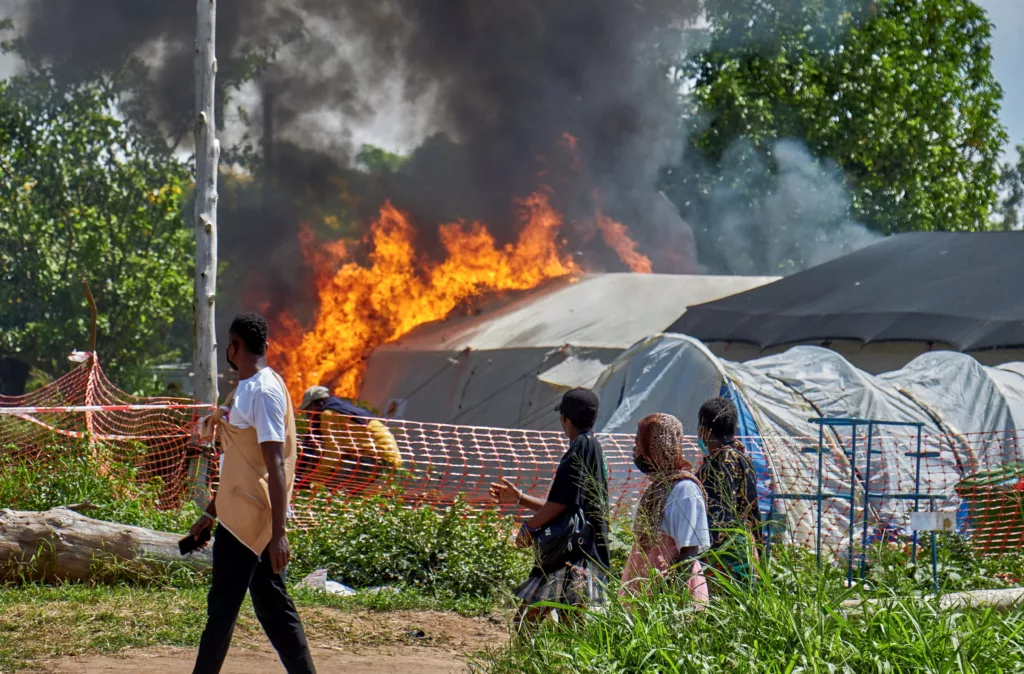
Protesters in the Democratic Republic of Congo have set Ebola treatment tents ablaze, with panic fuelled by a rumour that a “phantom coffin” brings instant death to anyone who merely sees it. The unrest erupted at Rwampara Hospital in the northeastern Ituri Province on Thursday after relatives of a young man who had died from the disease tried to seize his body from the facility.
Local politician Luc Mambele said the family attempted to take the corpse “by force”. When authorities refused to hand it over—following strict protocols requiring safe, controlled burials to prevent further transmission—relatives began hurling objects at the medical tents, sparking a fire. The tents were being used by the Alliance for International Medical Action, known as Alima, to treat six patients, including three confirmed and three suspected cases of Ebola. All have since been relocated to the main hospital building.
Police were deployed to subdue the crowd. DRC government spokesman Patrick Muyaya condemned the attack, saying it was “exactly what” locals “shouldn’t do”. He told CNN that many in rural communities believe “Ebola is a lie” and described it as “a white man’s invention” that does not exist. “The population is not sufficiently informed or made aware of what is happening,” he added.
The rumour that fuelled the panic
At the heart of the distrust is a growing myth about a “phantom coffin” that, according to community organiser Valet Chebujongo, locals in Mongwalu believe brings instant death by the mere act of seeing it. Chebujongo warned that such rumours are causing community members to reject medical intervention entirely, turning instead to prayers and magic. The spread of “incorrect or unconfirmed information circulating on social media and the internet” has been flagged by Alima as a major driver of hostility towards health authorities.
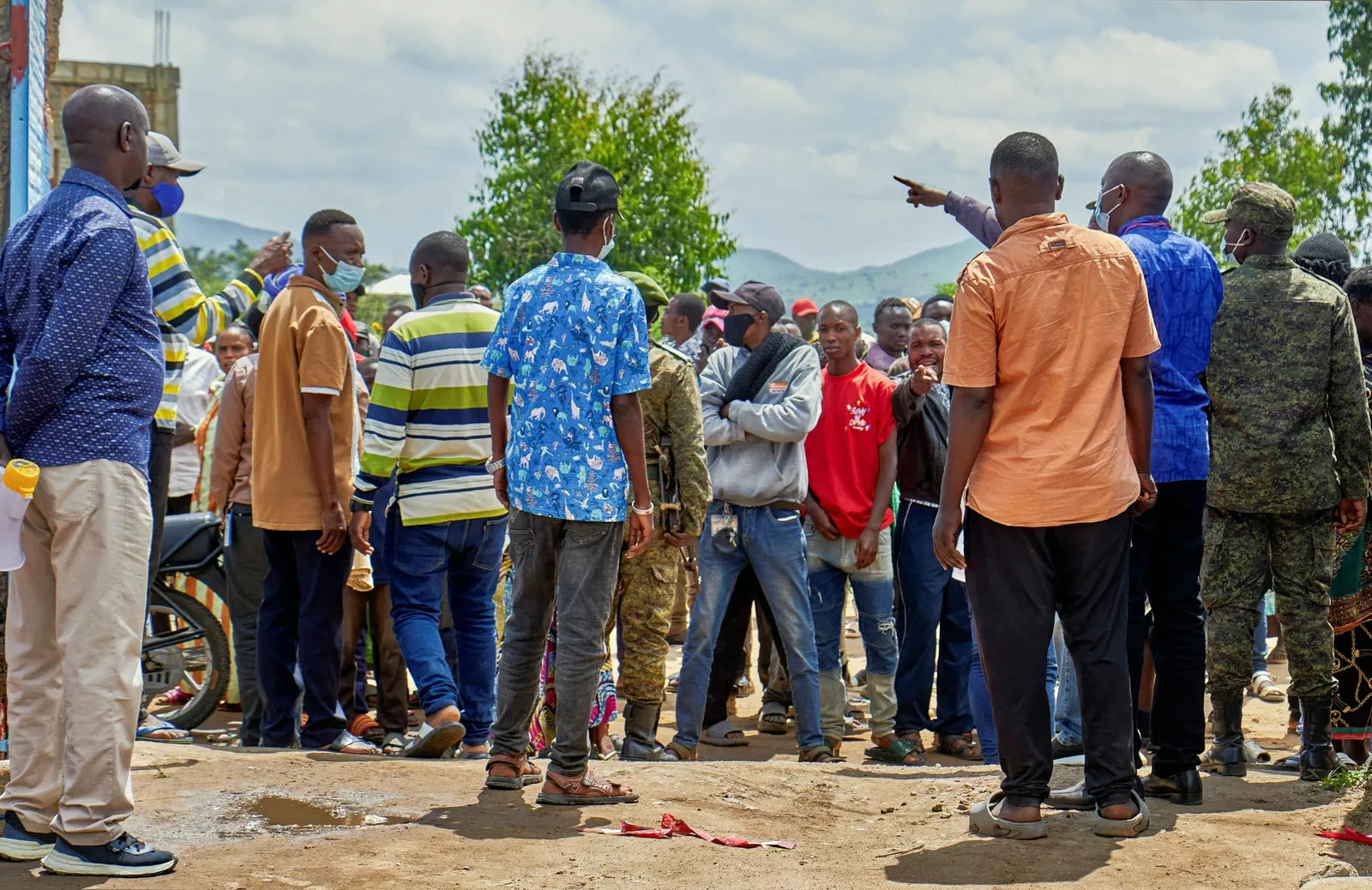
The phantom coffin story is not the only falsehood taking hold. Muyaya described a widespread belief that Ebola itself is a fabrication designed by outsiders. This scepticism directly undermines efforts to contain the outbreak of the Bundibugyo virus, a rare and particularly dangerous strain of Ebola for which there are no approved vaccines or specific therapeutics. Previous outbreaks of the Bundibugyo strain have recorded case fatality rates ranging from 25 to 50 per cent. The current outbreak is the third detected involving this strain, following occurrences in Uganda in 2007–2008 and in the DRC in 2012.
Deep-rooted cultural practices around death are also driving resistance. Chebujongo noted that traditional Congolese funeral rites require loved ones to touch the bodies of the deceased—a practice that directly contradicts the safe burial protocols that the World Health Organisation (WHO) has urged should be carried out only by well-trained personnel. Mongwalu resident Baraka Nakashenyi explained that “touching (the corpse) for the last time” is regarded as “the final farewell” for families. This conflict between public health measures and cultural norms has heightened the risk of further infections.
Local fears are also affecting daily life. Bunia resident Junior Kambale Bawili said that residents of affected communities are now “afraid to consume smoked bushmeat”, a staple for many in the region. The outbreak is centred in Ituri Province, with cases also reported in North Kivu and South Kivu provinces, as well as in Kampala, Uganda, where two confirmed cases—including one death—have been recorded in individuals who travelled from the DRC. As of May 21, the DRC government had confirmed 1,261 cases and 160 deaths, while the WHO reported more than 750 suspected cases and 177 suspected deaths across the two countries.
International response
The WHO declared the outbreak a Public Health Emergency of International Concern on Sunday, warning that the situation “warrants serious concern”. However, the organisation dismissed the risk of global spread, stating that transmission risk is higher at regional levels. On Tuesday, the United States banned entry for foreign nationals who have recently travelled through the DRC, Uganda or South Sudan within the past three weeks, a restriction imposed by the Centres for Disease Control and Prevention for 30 days. US citizens and lawful permanent residents are exempt.

Britain has pledged more than £20 million to contain the outbreak, Foreign Secretary Yvette Cooper confirmed. “It is vital we act now to save lives – outbreaks like Ebola do not stop at borders, and neither can we,” she said. The funding will support the WHO, UN agencies and humanitarian partners to strengthen disease surveillance, support frontline health workers, improve infection prevention and control, and enhance access to care. It will also improve water and sanitation systems, provide protective equipment, and support maternity centres and vulnerable communities. Cooper is co-chairing a ministerial group to coordinate the government’s response.
Other international efforts are under way. Alima is deploying emergency medical teams and biosafe treatment units to Ituri Province. Direct Relief is mobilising personal protective equipment and medical aid. The International Medical Corps is establishing screening units, treatment facilities, and infection prevention training. The United Nations has released $60 million from its Central Emergency Response Fund. In neighbouring Rwanda, authorities have activated a National Preparedness Plan, including training, screening at points of entry and vaccination of health workers in high-risk areas. Uganda has also stepped up surveillance and screening measures.
UK scientists at Oxford University are developing a new Ebola vaccine specifically targeting the Bundibugyo strain, using the same technology as the Covid-19 vaccine. However, doses for clinical trials are not expected for another six to nine months. Gavi, the Vaccine Alliance, is monitoring the situation and coordinating with partners, but noted that no licensed vaccines exist for the Bundibugyo strain; existing Ebola vaccines are licensed only for the Zaire strain. Meanwhile, the outbreak has already had wider repercussions, including the postponement of the India-Africa Forum Summit, and is unfolding in a region already facing severe humanitarian and security challenges, including the presence of armed groups such as the M23 militia and militants linked to the Islamic State group.