

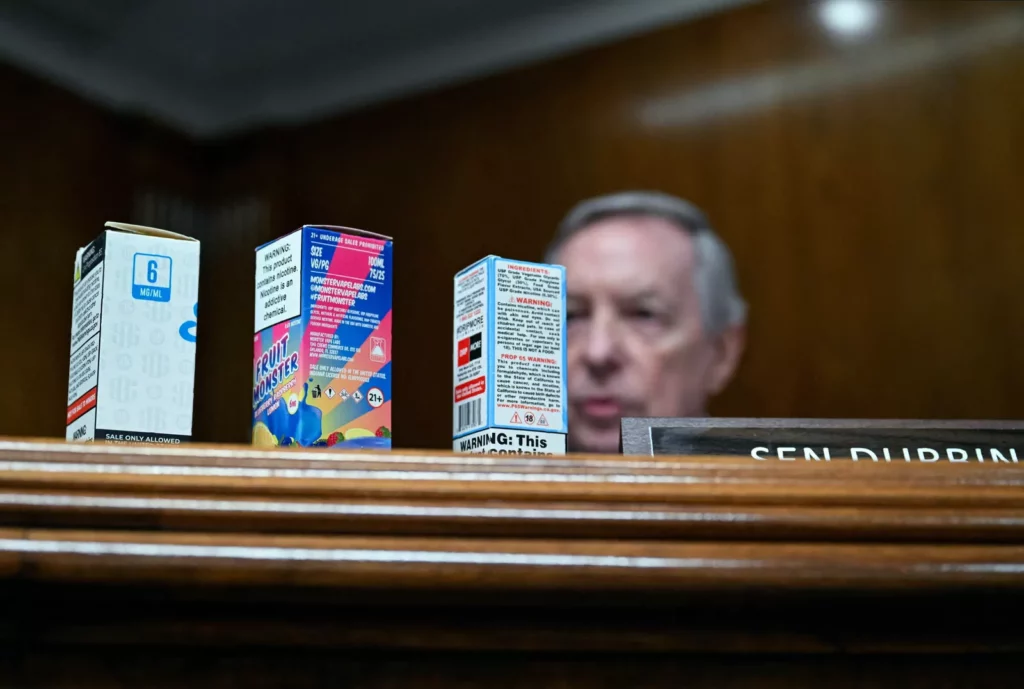
Senior officials within the US Food and Drug Administration’s tobacco centre were blindsided by a recent policy decision that could open the door to a flood of unauthorised e-cigarettes and nicotine pouches on the American market. The new guidelines, published online earlier this month shortly before the resignation of former FDA Commissioner Marty Makary, allow companies to introduce certain nicotine products without undergoing the full regulatory vetting that has been standard for over a decade.
Staff responsible for enforcing vaping regulations were not consulted about the changes, according to two anonymous agency employees. They said they learned of the policy only the night before the document was released, sparking internal confusion about its origins and who authorised it. Agency officials have since held extensive meetings to work out how to implement the six-page memo.
The policy marks a sharp departure from the FDA’s longstanding requirement that manufacturers provide scientific evidence of health benefits for smokers before new products can enter the market. Mitch Zeller, who retired as director of the FDA’s Center for Tobacco Products in 2022, questioned the integrity of the process. “It begs the question of whether the true subject matter experts may have actually opposed this policy and were ordered to do it anyway,” he said. “And that goes to the ability of the public to have trust and faith in institutions like FDA.”
The guidance bypassed the federally mandated period for public comment and revision. It was published after months of complaints about Makary from industry lobbyists with close ties to the White House. Makary resigned in May 2026, leaving behind a tenure marked by leadership upheaval and clashes with the White House over flavoured vape approvals. A Health and Human Services spokesperson, Andrew Nixon, defended the move in a written statement, saying: “This approach strengthens protections against youth nicotine addiction while supporting evidence-based alternatives for adult smokers seeking to move away from combustible tobacco products.” Attempts to reach Makary for comment were unsuccessful.
How the New Guidance Works
Under the new framework, the FDA is expected to publish a list of e-cigarettes and nicotine pouches that, while not formally authorised, will be subject to “enforcement discretion”. That means they can be sold without regulators actively targeting them for removal. No public list has been released yet, but the policy is anticipated to permit new flavours previously blocked by the agency.
Brian King, former director of the FDA’s Center for Tobacco Products and now with the Campaign for Tobacco-Free Kids, said the shift signals a “broader opening up and responsiveness to flavoured products by the agency both in terms of a stronger appetite for authorisation but also less appetite to take enforcement action against flavoured products.” The guidance indicates that only products undergoing “scientific review” – a process that demands detailed health data on smokers who switch to the new product – will qualify for launch without immediate FDA action. King noted that only a small number of applications typically reach that stage, “which requires detailed health data on smokers who switch”. He added: “What we’re seeing is a broader opening up and responsiveness to flavoured products by the agency.”
The FDA said its enforcement priorities will now focus on vapes with specific youth-appealing features, such as designs that resemble children’s toys, rather than targeting flavours alone. Jonathan Foulds, a tobacco-addiction specialist at Penn State University, observed: “The reality is they’re just deluged by illegal products coming across the border. So they’re making it clear what should be common sense: ‘We’re going to focus on the worst actors.’”
Fallout for the Industry
The policy change is widely seen as benefiting larger tobacco companies such as Reynolds American and Altria, which have the resources to navigate the lengthy scientific review process. King said: “This is certainly going to benefit the larger tobacco companies, which have the resources to get far enough into the application review process and thus won’t be prioritised for enforcement.” Lobbyists for smaller firms have voiced concern. Tony Abboud of the Vapor Technology Association argued: “The big companies would love nothing more than to see their largest swath of competitors out of the marketplace.”
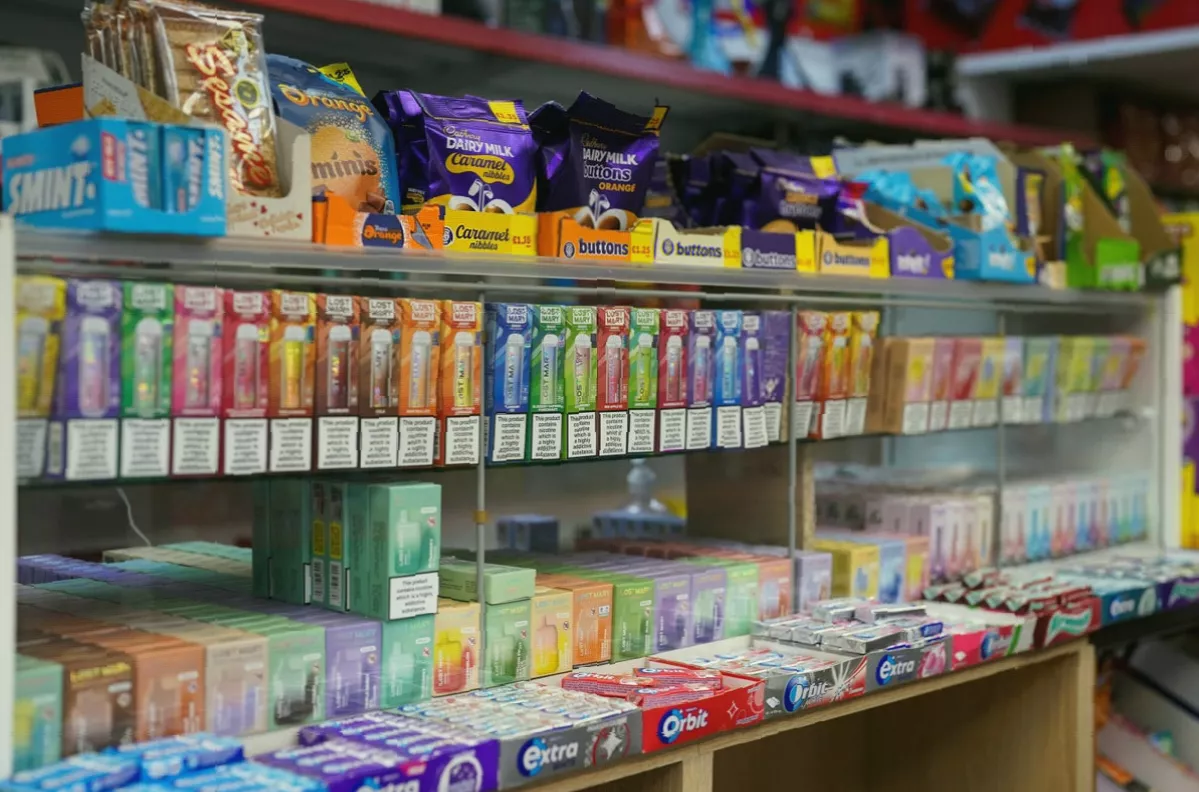
The US market has been saturated for years with unauthorised flavoured vapes – mango, gummy bear, strawberry and dozens of other varieties – that filled the gap left when Juul withdrew its high-nicotine flavoured products after their widespread use in schools around 2017. Juul now sells only FDA-authorised tobacco and menthol e-cigarettes. The company sees the new guidance as an opportunity to compete directly with disposable Chinese vapes, which some estimates say account for 80% of US sales. Robyn Gougelet, a Juul vice president, articulated the dilemma: “The choice we face is not whether flavoured vaping products should be sold in the US. They already are. The choice is whether those products should be regulated and responsibly marketed — or illegal, untested, and smuggled into the country.”
Recent shifts in Washington have also played a role. President Donald Trump came to power after vowing to “save” the vaping industry, and major tobacco companies have contributed millions to political action committees supporting his administration. Underage vaping among US teenagers has fallen to its lowest level in more than ten years, though Makary had on rare occasions voiced scepticism about the data showing the decline. In February, one of Makary’s deputies blocked an FDA decision that would have authorised the first fruit-flavoured vapes, according to internal memos, even though reviewers had determined the products were unlikely to be used by children when combined with digital age-verification technology. The mango- and blueberry-flavoured products were finally approved during Makary’s last full week at the agency, days before the new guidelines were posted.
The UK and European Union have taken a markedly different regulatory path. The UK banned disposable vapes from sale in June 2025, citing both environmental waste and rising youth vaping rates. E-liquids are restricted to 10ml bottles with a maximum nicotine strength of 20mg/ml, and advertising is strictly controlled. The EU’s Tobacco Products Directive imposes similar limits on nicotine concentration, volume, and packaging. In the UK, a Public Health England study suggested e-cigarettes are significantly less harmful than traditional tobacco and can help smokers quit, though other researchers have questioned the “95% less harmful” claim, pointing to unknown long-term effects and potential harms, particularly for young people. Brian King’s move to the Campaign for Tobacco-Free Kids has drawn criticism from tobacco harm reduction advocates who accuse the organisation of spreading disinformation about safer nicotine products.
It remains unclear whether the broader vaping industry will embrace the FDA’s new approach. The guidance applies only to products undergoing scientific review, which tends to favour companies with deep pockets. Abboud’s warning underscored the divide: “The big companies would love nothing more than to see their largest swath of competitors out of the marketplace.”