

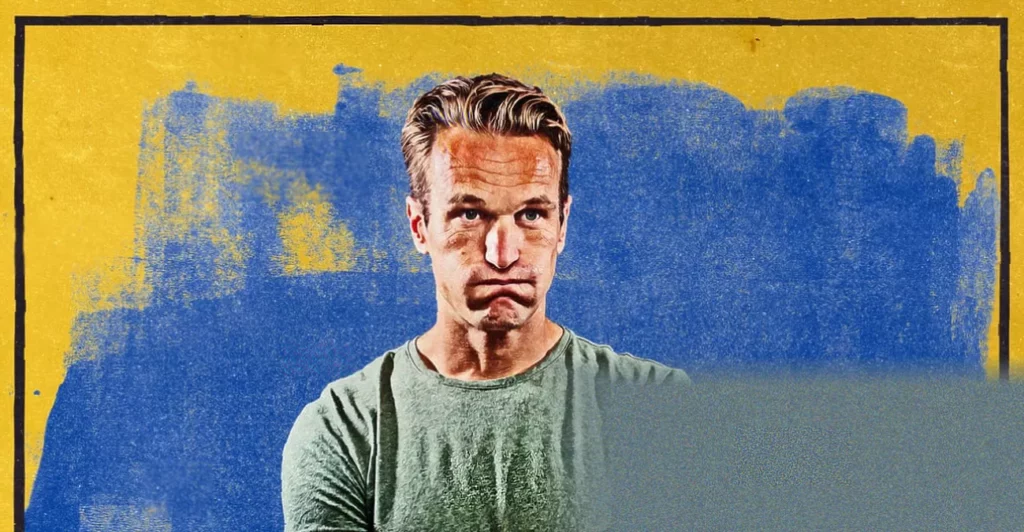
You wake up later than planned, the school run looms, your phone is a hot mess of angry takes, a child has lost their shoes and there is a penalty notice on the doormat. Your body does not know the difference between a sabre-toothed tiger and a passive-aggressive email. It responds the same way it always has: with a surge of ancient biological machinery designed for inter-tribe disputes and mammoth attacks. Modern stress triggers our ancient fight-or-flight response, and while that system is brilliant for short bursts of survival, the trouble starts when it never gets to switch off.
“The most immediate effect we see in a stressful situation is a surge of adrenaline causing an increase in heart rate, blood pressure and breathing,” says Prof Kavita Vedhara, a specialist in stress and behavioural medicine at Cardiff University. “This is your fight-or-flight response, and it’s designed to prepare you to address the challenge you are facing.” Within about 30 minutes of that rapid burst, cortisol – often reductively called the stress hormone – rises to regulate blood pressure, suppress inflammation and increase the availability of blood sugars for energy. It takes between 20 and 60 minutes for the body to return to its pre-arousal state once the threat has passed.
The Science of Stress
The mechanism is elegantly simple: the amygdala detects a threat and signals the hypothalamus, which activates the sympathetic nervous system. Adrenaline and noradrenaline are released, heart rate and breathing quicken, and blood pressure rises. Cortisol follows to sustain the response. This whole cascade evolved to deal with physical dangers – a predator, an enemy, a fall – but in modern life it is triggered just as readily by work pressure, social anxiety, relationship conflicts or a row on social media. The result can be a low-grade but persistent state of arousal that leaves the body’s rest-and-digest systems perpetually on hold.
When the Stress Response Becomes Chronic
If the fight-or-flight system is activated occasionally, it works as intended. The problem is chronic stress – when the body never gets time to recover. “Perhaps the most well-known issue associated with chronic stress is poorer immune function, which can increase risk of infections, make vaccines work less well, impair wound healing, and so on,” says Vedhara. Research adds detail: chronic stress both reduces immune protection and increases inflammation, creating a pro-inflammatory profile that may raise the risk of autoimmune diseases. Studies from King’s College London have shown that higher stress levels, mediated by cortisol, are associated with significantly slower wound healing.
The toll extends far beyond colds and cuts. Vedhara notes that chronic stress has been shown to increase the risk of obesity, depressive illness and the progression of neurodegenerative diseases such as Alzheimer’s. Work by the UK Dementia Research Institute and University College London is exploring how stress-related hormones and physiological changes affect neuronal function and resilience. On the metabolic front, research from UCL links long-term cortisol levels to obesity, particularly abdominal fat, as the hormone encourages fat storage, increases appetite and drives cravings for high-fat, high-sugar foods.
The mental health impact is stark. A UK-wide survey found that 74% of adults have felt so stressed they were overwhelmed or unable to cope in the past year, with women reporting higher rates than men. One in five adults experiences stress daily, and 63% at least weekly. In Great Britain during 2023/24, an estimated 776,000 workers suffered from work-related stress, depression or anxiety, accounting for 46% of all work-related ill health and 16.4 million working days lost. Young people aged 18 to 24 report particularly high stress linked to pressure to succeed, with 60% saying they have felt unable to cope.
Compounding all of this is an unhealthy feedback loop. “Because of the complex physiological nature of the stress response, we often experience a range of changes in the body,” says Dr Jo Daniels, a senior lecturer in psychology at the University of Bath. “This in itself can become alarming for some people: why is my heart beating so fast? This can then trigger increased attention to what are essentially normal bodily variations, which effectively amplifies those physiological sensations, adding another layer of stress and anxiety.” When the stress response is active, she explains, we become hypervigilant, more likely to interpret normal bodily sensations as threats, and our decision-making – governed by the ancient, survival-oriented parts of the brain – becomes impaired. “If you’re feeling a little on edge, for instance, perhaps you won’t go out, because it feels like your body is saying, ‘Something’s going on here that we need to protect ourselves against’.”
How stressed do you need to be for this to become a genuine concern? “It’s an elastic system – it’s designed to respond and recover,” says Vedhara. “How bad is it genuinely? It’s certainly true that the experience of stress has such wide-ranging effects on our physiology that there is potential for it to take a very real toll on our health and wellbeing – but that’s only true for long-term and enduring stressors.” A landmark study in the 1990s illustrates the point: researchers exposed nearly 400 healthy volunteers to the common cold and found that being stressed was heavily correlated with a tendency to become ill. Older adults, whose immune systems are already declining, may see worse effects from chronic stress than those in middle age. Yet individuals differ hugely in their tolerance. “A lot depends on your life experiences,” says Daniels. “People who have been affected by trauma might have a lower threshold for stress response – while other people seem to seek out stressful careers and thrive in them. It is also influenced by learned resilience and ability to manage and respond to stress – though over the long term, as we saw during the Covid-19 pandemic, everyone has their limit.”
Coping Strategies for a Stressed World
So what can be done? One of the most evidence-backed strategies is surprisingly simple: slow breathing. “When people are stressed or anxious, they tend to breathe in a more shallow and rapid way, which reinforces the threat response, keeping the physiological loop going,” says Daniels. “If you breathe slowly, you’re giving your brain the message that everything is OK, you are safe – essentially inducing the relaxation response. So something as simple as regulated breathing really can make a difference and head stress off at the pass.” Exercise helps too, by reducing the excess adrenaline buildup caused by high-stress responses. Techniques such as the 4-7-8 breathing method are effective.
For prolonged and frequent stress, psychological therapies offer a stronger tool. Cognitive behavioural therapy (CBT) helps people challenge unhelpful thought patterns. “When stressed and overwhelmed, we often jump to thoughts like, ‘I can’t cope with this,’” says Daniels. “But is this true? Thoughts are not facts. A helpful strategy can be to sit down and assess the evidence – have you coped before? And with worse? Can you survive the worst-case scenario if you are late for school drop-off and forgot to feed the cat? It can also be useful to stop or phase out coping strategies that aren’t helpful and contribute to the problem – for example, some people tend to work longer or harder to try to solve a work-related problem, which is likely to contribute to increased stress over time.” Mindfulness-based stress reduction (MBSR) takes a different approach, teaching skills to step back from unhelpful thoughts rather than directly challenging them. Both have merits; negative thinking patterns and unhelpful coping strategies are often best tackled with CBT, while mindfulness may be better for coping with unavoidable stressors. Research shows that even 30 minutes of meditation a day for eight weeks can increase gray matter density in brain regions associated with memory, stress and empathy.
Lifestyle adjustments matter too. Maintaining a balanced diet, ensuring good sleep, and limiting stimulants such as caffeine, alcohol and nicotine can improve resilience. Social connection is a powerful buffer – loneliness is linked to a range of health problems – and taking time for hobbies and “me time” can provide relief. Excessive social media use is linked to increased stress, anxiety, depression and poor sleep; research suggests even a one-week break can have a positive impact on well-being. Avoiding stress entirely is not realistic – even the 6% of people in the UK who say they are never stressed are probably just better at managing challenging situations. Simple changes, such as not checking social media first thing in the morning, can help, as can harder ones like changing jobs or having difficult conversations with family.
“Catch your stress response early, and you have a good chance of reversing it using simpler strategies – but for chronic stress, modifications to lifestyle, accessing social support and developing helpful coping skills are key,” says Daniels. “I would suggest people seek help when they are experiencing stress most or all of the time, or if they themselves are concerned about their stress levels.”