

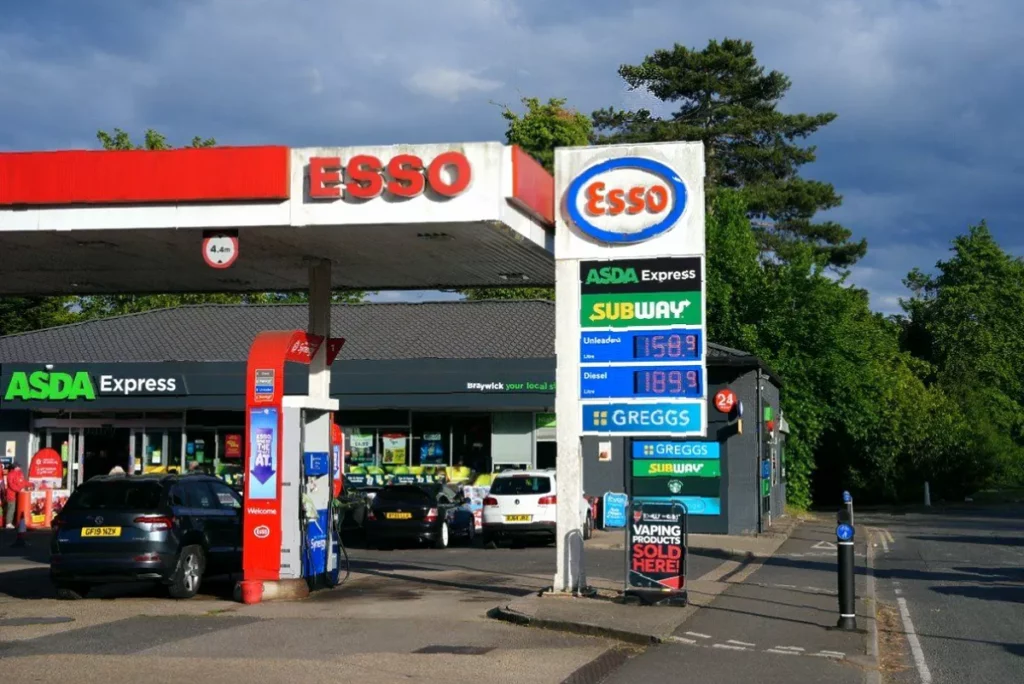
Millions of Britons are skipping meals to afford fuel for their cars, as the relentless rise in petrol prices forces households to make increasingly painful choices. New research from car finance brokers CarMoney, based on a poll of 2,102 UK drivers, has laid bare the scale of the crisis: nearly one in ten workers now reports cutting back on food or skipping meals entirely to ensure they can keep their vehicles on the road. The findings come as average forecourt prices hover around £1.60 a litre, the highest since November 2022, driven by turmoil in the Middle East and the ongoing disruption to global oil supply chains.
Daily life reshaped by the cost of a full tank
The impact is being felt in kitchens, on motorways and in family relationships. Among drivers aged 18 to 24, the figure for those reducing food budgets or skipping meals to afford fuel rises to more than one in five. In London, 14 per cent of drivers said they had cut back on food shopping or missed meals simply to keep petrol in the tank. The same age group is also reconsidering their employment: 12 per cent of young drivers have seriously considered quitting their jobs because the cost of commuting no longer makes financial sense.
But the sacrifices extend far beyond the dinner plate. Almost 14 per cent of motorists in the West Midlands said they had cancelled visits to elderly parents or relatives who live further away, unable to justify the cost of the journey. In the capital, 17 per cent of drivers said they had switched their weekly grocery shopping to more expensive local convenience stores rather than drive to a larger supermarket. The effect is that fuel costs are reshaping where people shop, who they see and how they argue: among 18-to-24-year-olds, 14 per cent admitted to heated rows with partners or family members about what they considered “unnecessary” car trips.
Regional disparities are stark. In Northern Ireland, almost three in ten drivers said they could only afford to put small amounts of fuel into their vehicle, unable to fill the tank. By contrast, 26 per cent of Scottish motorists said they had refused to change their routines despite rising prices, compared with just 16 per cent of drivers in London. The research also reveals how men and women respond differently to the pressure. In the North West, 14 per cent of male motorists admitted driving with the fuel warning light on in an attempt to avoid filling up at expensive forecourts. Women, meanwhile, were more likely to sacrifice daily life and social activities: nationally, 55 per cent of women aged 55 to 64 said they had chosen to walk instead of drive to save money, and younger women were significantly more likely to report anxiety about fluctuating prices.
Survey details and the wider squeeze
The CarMoney survey, conducted among 2,102 UK drivers, found that one in five motorists now experiences a sense of dread when they see petrol station price signs. The price of petrol has surged by more than 25p a litre since late February, adding approximately £14 to the cost of filling a typical family car. The research briefing notes that, as of late May 2026, average unleaded petrol was around 157–159 pence per litre, with diesel at approximately 183–189 pence – a year-on-year increase of more than 25p for petrol and nearly 45p for diesel. This marks the highest petrol prices since a record of 191.5p per litre in July 2022, when diesel also exceeded £2 in some regions.
These increases are driven primarily by the conflict in the Middle East, particularly disruption to the Strait of Hormuz, which has upended global oil and gas supply chains. The broader cost-of-living crisis continues to bite: in April 2026, 80 per cent of adults reported an increase in their cost of living due to higher fuel prices. Inflation, while easing, remains above the Bank of England’s target, with consumer prices expected to rise by 3.7 per cent in 2026. The Organisation for Economic Co-operation and Development forecasts UK economic growth of just 0.9 per cent this year, citing volatile energy markets and low productivity.
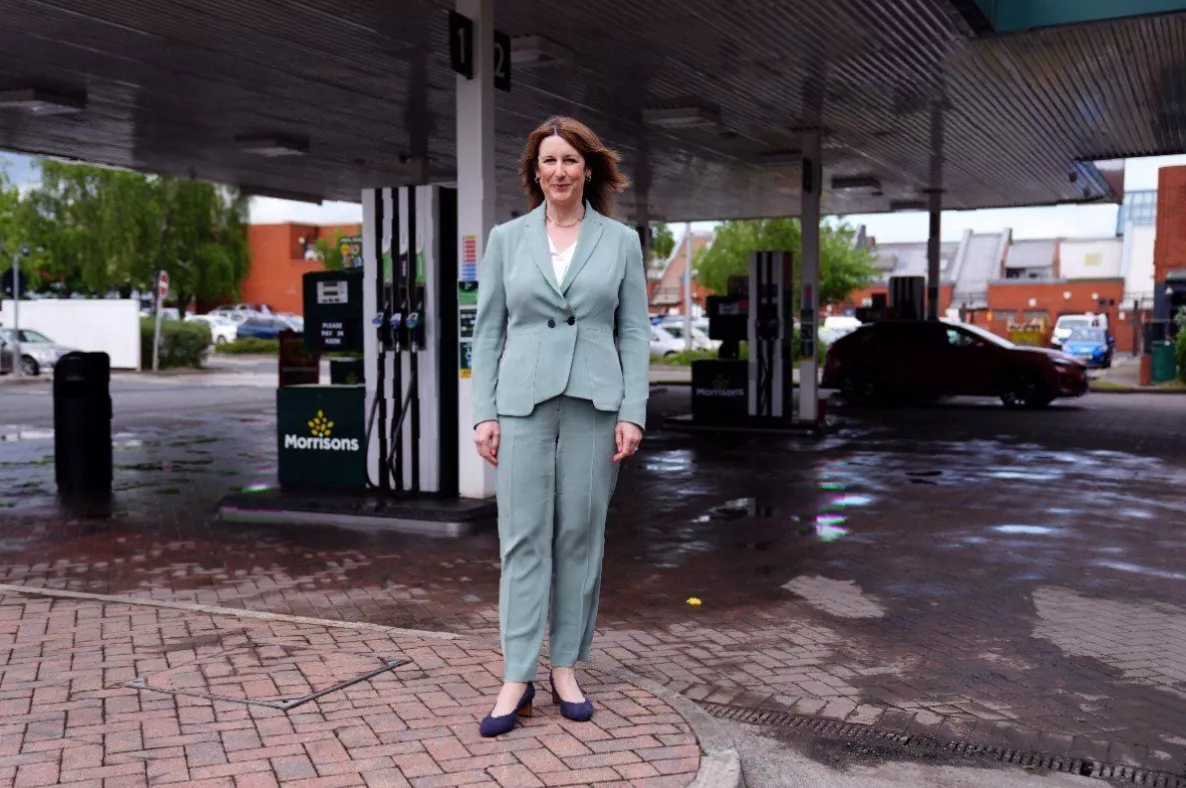
Government measures to alleviate the burden include an extension of the 5p per litre cut on fuel duty until the end of 2026, originally introduced in response to the Russia-Ukraine conflict and now maintained because of the Middle East crisis. Red diesel duty has also been cut by one-third. However, these reliefs are time-limited: fuel duty is scheduled to rise by 1p per litre from September 2026, followed by further increases in December 2026 and March 2027, returning the rate to 57.95p per litre. From April 2027, fuel duty will increase annually with inflation. Other support includes the “Great British Summer Savings” scheme that suspends tariffs on certain supermarket goods, a Crisis and Resilience Fund managed by local councils in England, targeted support for low-income households in rural communities reliant on heating oil, the Winter Fuel Payment of £200–£300, and the Warm Home Discount of £150. The Fuel Finder Scheme, launched in February 2026, requires petrol stations to provide real-time price data to improve transparency and encourage competition.
Expert commentary
Andrew Marshall, marketing director of CarMoney, summed up the situation: “The data clearly shows that the British public is feeling the squeeze at the pumps, forcing many to think much more carefully about how and when they use their vehicles. For a large number of households, the car has become one of the most substantial monthly outgoings, requiring a very disciplined approach to budgeting just to maintain a daily routine. Whether it is young professionals reassessing their commute or families cutting back on social trips to see relatives, motorists are having to make proactive and often difficult choices to manage their transport costs effectively.”
The research also highlighted the financial strain on younger drivers beyond the CarMoney survey. A July 2022 AA survey found that a quarter of younger drivers reported running up debt or seeking financial help from family and friends because of higher fuel costs. The rising cost of fuel and driving lessons is affecting learner drivers, with some taking fewer lessons or considering driving without a full licence to save money, while driving instructors are increasing their hourly rates and some are leaving the profession. In March 2022, there were warnings about the impact of fuel costs on public safety, particularly for women, due to a potential shortage of taxi drivers.
Regional price differences remain pronounced. London and the South East are consistently among the most expensive regions, with average unleaded around 160.4p per litre and diesel around 184.6p per litre in late May 2026. Northern Ireland, by contrast, saw average unleaded at 139.1p per litre and diesel at 148.1p per litre, thanks to a smaller, more competitive market and proximity to the Republic of Ireland. Rural areas often face a premium due to lower sales volumes and less competition, while cities with a strong supermarket presence tend to have lower prices. Supermarkets themselves play a crucial role in driving down costs through competitive pricing strategies.
The human cost of the fuel crisis is now visible in the everyday lives of millions. From skipping meals to cancelling family visits, from walking instead of driving to arguing over what counts as a necessary journey, the choices people are making reveal a nation under sustained financial pressure.