

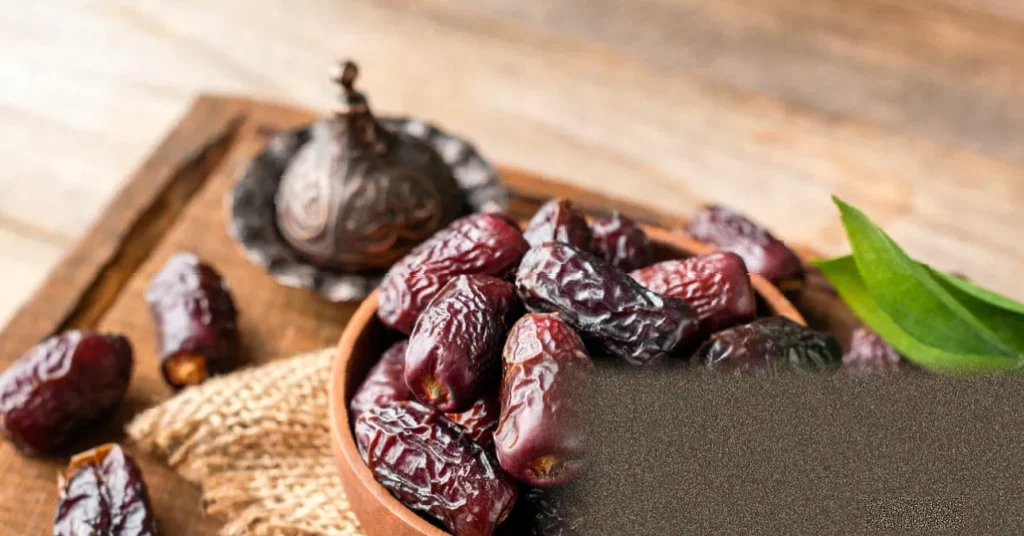
Date sales have doubled as people seek healthier sweet snacks, with Ocado reporting a 100% year-on-year increase in Medjool date purchases and searches for date butter soaring 458% on the same platform.
The surge reflects a broader consumer shift away from ultra-processed foods towards what Nichola Ludlam‑Raine, a spokesperson for the British Dietetic Association, calls “whole food indulgence”. Shoppers, she explains, still want comforting treats but are opting for versions “perceived as more natural or nutrient dense”.
Health benefits: why the humble date now dominates the snack aisle
The appeal lies in dates’ nutritional profile. They are rich in fibre, potassium, magnesium and small amounts of antioxidants, all of which can support gut health. Their carbohydrate content, mainly glucose and fructose, provides a rapid but sustained energy lift, making them a popular choice for the 4pm slump or pre‑ and post‑workout fuel.
Unlike many commercial snack bars and confectionery, whole dates contain no added sugars and deliver micronutrients alongside their natural sweetness. This has positioned them as a guilt‑free alternative to biscuits, chocolate bars and additive‑laden protein snacks. “Nutritionally, these recipes may offer more fibre and micronutrients than traditional sweets, but they’re still ‘treats’,” Ludlam‑Raine cautions. “Ultimately, it’s about balance.”
Fitness experts have embraced the fruit as a base for energy balls: dates blended with nuts, oats and plant‑based protein powder. Meanwhile, viral social‑media recipes have turned the simple date into a versatile canvas. Stuffed with salted butter, drizzled with olive oil and yoghurt, or paired with peanut butter and dark chocolate, they are being hailed as a direct substitute for confectionery.
From TikTok to the dinner table: recipe trends and cultural roots
Waitrose has seen searches for its no‑bake Medjool date, pretzel and peanut butter squares increase 60% year‑on‑year. Lizzie Haywood, the supermarket’s trend innovation manager, describes dates as “a versatile canvas for incredibly indulgent fillings”. Chocolate‑covered dates, date butter (often blended with maple syrup, cinnamon or salt, and available in vegan versions), and no‑bake date cheesecakes have all gained traction on recipe platforms.
Beyond modern food trends, dates have deep cultural significance. In Islamic tradition they are used to break the daily fast during Ramadan, and the fruit is mentioned in hadith — including one in which the prophet Muhammad paired fresh cucumbers with dates. Ayesha Erkin, author of the recipe book Date of the Day, says this hadith sparked her fascination with one of the oldest cultivated fruits. Now known as “the date girl”, she runs tasting workshops and creates inventive dishes such as hot fudge sun‑dates and doughnut dates.
Different varieties offer distinct flavour profiles. Ajwa dates from Medina, Saudi Arabia, have a rich liquorice taste; Sukkari dates are caramel‑like but crunchy and, Erkin notes, “go well with a coffee”. Medjool dates, often called the “king of dates”, dominate UK supermarket shelves and account for about 25% of world date exports. Most are sourced from the Middle East, north Africa and Israel.
The Israel‑Gaza war and illegal Israeli settlements have severely impacted Palestinian date production. Zaytoun, a Palestinian food brand, reported a 50% increase in UK sales last year, reaching £3.2 million, which the company attributes to customers seeking its olive oil and dates as a show of solidarity. Meanwhile, approximately one‑third of dates sold in the UK now come from Israel — the fastest‑growing source for the market, accounting for 32% (£24.7 million) of total UK date imports in 2024. Palestinian human rights groups have called for a boycott of Israeli dates, with concerns that some may originate from illegal settlements. Ethical Consumer notes that Lidl is the only UK supermarket selling own‑brand dates from Palestine, although verification of that sourcing has not been obtained.
The rise of dates as a snack staple is driven by their nutritional appeal, culinary adaptability and cultural resonance — yet even their champions urge moderation. As Ludlam‑Raine puts it, they remain treats that should be enjoyed as part of a balanced diet.