

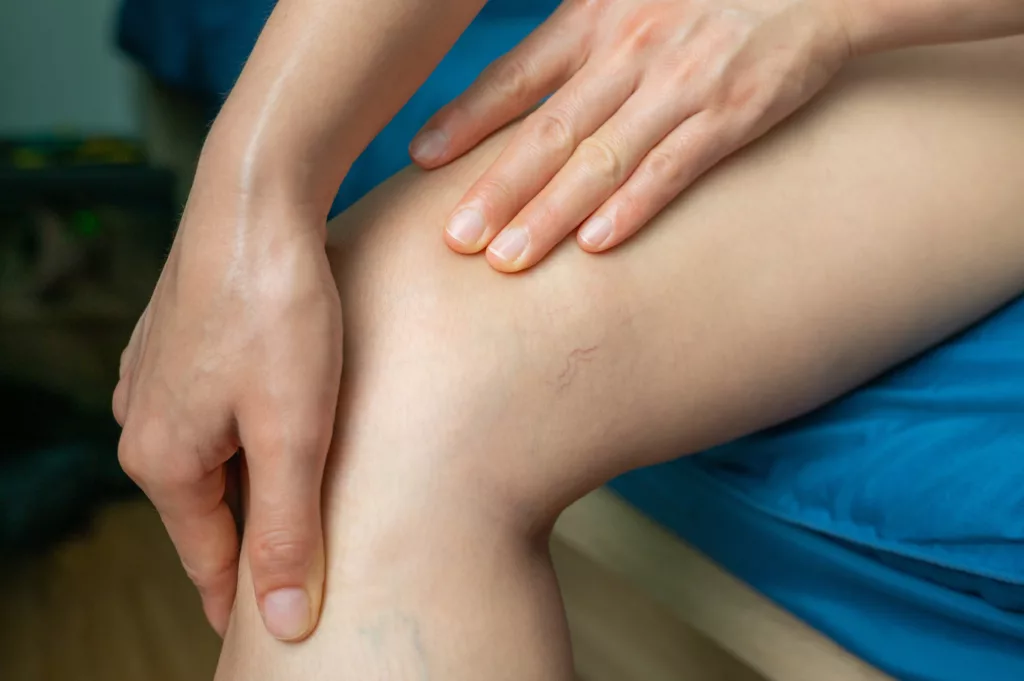
Millions of office workers who spend eight hours a day at a desk are putting their leg health at risk, with prolonged sitting now recognised as a major contributor to circulation problems such as varicose veins. Consultant interventional radiologist Dr Mark Regi, from the VeinCentre, warns that modern lifestyles have created a generation of workers whose calf muscles remain inactive for long stretches, leading to blood pooling in the lower limbs and an increased risk of leg ulcers.
The hidden cost of sitting
Varicose veins are remarkably common in the UK. Clinical estimates indicate that between 30 and 40 per cent of the population will develop them at some point, meaning at least one in three adults is affected. Prevalence rises sharply with age, with more than 60 per cent of people over 75 suffering from the condition. While historically believed to be more common in women, the Edinburgh Vein Study found an age-adjusted prevalence of trunk varices of about 40 per cent in men and 32 per cent in women, suggesting a near-equal burden.
The underlying mechanism is clear. When the calf muscles are inactive for prolonged periods, the ‘calf pump’ that normally helps return blood to the heart stops working effectively. Blood accumulates in the lower extremities, increasing pressure inside the veins. Over time, this pressure weakens the vein walls and valves, leading to venous insufficiency and the formation of varicose veins. This condition, known as Chronic Venous Insufficiency (CVI), affects an estimated six to seven million adults in the UK and is described by specialists as a “silent epidemic”. The financial cost to the NHS of managing CVI and its complications – particularly leg ulcers – is substantial, estimated at between £2.5 billion and £3.1 billion each year.
Dr Regi explained that the pooling effect caused by inactive calf muscles is one of the primary causes of leg ulcers. “There’s a whole host of reasons people should be sitting less and moving more, but modern lifestyles mean many of us still spend eight hours each sitting at a desk,” he said. Studies suggest that sitting for more than six hours a day begins to affect circulation, with significant damage occurring at eight hours or more. Each additional hour spent sitting increases the risk of developing vein issues by approximately 10 per cent. Office workers face a 2.8-fold higher risk of developing serious vein problems compared with those in active professions, such as retail, healthcare, manufacturing or hospitality, where prolonged standing also carries its own risks.
Varicose veins are not merely a cosmetic concern. They can cause pain, aching, swelling, heaviness and itching. In severe cases, they may progress to skin changes, venous ulcers or superficial blood clots known as thrombophlebitis. Sedentary behaviour is also linked to spider veins, Chronic Venous Insufficiency and deep vein thrombosis. Genetics play a role too – a large study identified 49 genetic variants associated with increased risk – but lifestyle factors are a major driver.
Exercises to do at your desk
Dr Regi has outlined three simple exercises that office workers can perform discreetly without leaving their chairs. The first is ankle stretches, or ankle pumps. Simply sit upright with one leg extended straight, then alternately point the toes forward and backwards towards the body. “Getting a good stretch of the ankle helps to improve circulation in the lower leg, with the added benefit of increasing ankle flexibility,” Dr Regi said. Repeat the movement ten to fifteen times per leg.

The second exercise is ankle rotations. Lift one foot slightly off the floor and circle the ankle ten times in each direction before switching to the other leg. “The good thing about these exercises is you can do them in a busy office or while you’re working from home, and no one will even realise,” Dr Regi noted.
The third movement targets the calf muscle directly, which Dr Regi emphasised plays a crucial role in blood flow. Sit with your feet hip-width apart, then elevate the heels briefly before lowering them back down. Repeat the movement ten times per leg. This calf stretch helps reactivate the calf pump, reducing the blood pooling that contributes to leg ulcers and varicose veins.
In addition to these exercises, other simple adjustments can help. Elevating the legs on a footrest or cushions during breaks reduces pressure in the veins. Avoiding crossing the legs keeps blood flow unrestricted. Staying hydrated and maintaining a healthy weight are also important for circulation. Some workers may benefit from standing desks, though these should be used in combination with movement rather than as a substitute. Compression stockings can improve blood flow, reduce swelling and relieve leg heaviness for those at risk or with early signs. A low-salt diet may help reduce ankle swelling.
Small changes, big benefits
Dr Regi stressed that incorporating movement breaks into the working day is essential. “Consider getting up and moving around every 30 minutes, or perhaps trying to stand up for some of your activities, such as talking telephone calls or video meetings,” he added. A brisk lunchtime stroll can also prove beneficial, while regular exercise such as walking, cycling or swimming strengthens the calf muscles and improves overall blood flow.
Dr Regi is a consultant vascular interventional radiologist at the VeinCentre, which operates more than 40 clinics across the UK and is described as the country’s largest vein specialist. He specialises in minimally invasive treatments including endovenous laser ablation and foam sclerotherapy. Yet his message for desk workers is clear: the best treatment is prevention, and it can start without ever leaving your chair.