

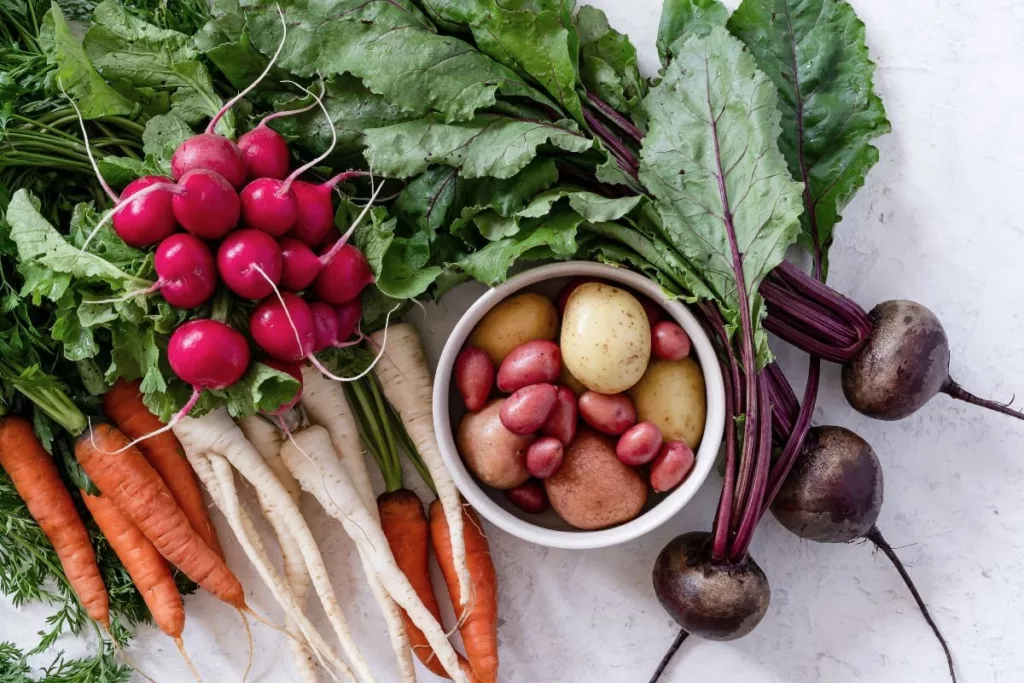
Five-a-day fruit and veg may not be enough for heart health, according to new research that suggests the specific types of produce you eat matter far more than simply hitting the recommended tally. A study published in the journal Food and Function has found that fewer than one in five people obtain adequate levels of flavanols – potent antioxidants linked to cardiovascular health and blood vessel function – even among those who diligently follow the familiar five-a-day guidance.
The investigation, which analysed dietary habits of 30,000 participants across Britain and the United States, discovered that simply consuming five portions of fruit and vegetables daily does not guarantee sufficient intake of these beneficial compounds. The findings indicate that what you choose to eat may be more significant than the total volume. Dr Javier Ottaviani, who led the research, said straightforward dietary adjustments could “make a real difference” to the absorption of flavanols. “Most people assume that eating plenty of fruit and vegetables covers this, but what this research shows is that the specific choices you make matter far more than the total amount,” he explained.
What are flavanols and why do they matter?
Flavanols are a subclass of flavonoids, a diverse group of naturally occurring compounds found in plants. They act as antioxidants and are believed to support cardiovascular health by improving blood vessel function, reducing blood pressure, and enhancing circulation. The gut microbiome plays a crucial role in metabolising flavanols, converting them into forms the body can actually use. However, as the British Heart Foundation (BHF) notes, everyone’s gut bacteria are different, so the benefits people derive from flavanols can vary significantly.
The US Academy of Nutrition and Dietetics recommends a daily intake of 400–600 mg of flavanols for cardiometabolic health. The COSMOS trial – the Cocoa Supplement and Multivitamin Outcomes Study, a major clinical trial involving institutions such as Harvard Medical School and conducted in collaboration with chocolate manufacturer Mars Inc. – indicated that a daily intake of 500 mg of flavanols significantly reduced the risk of dying from heart disease. The NHS has not yet established an official recommended intake for these compounds.
Scientists believe increased flavanol consumption could help prevent a range of diseases beyond heart conditions, including cognitive decline and certain cancers. Yet the precise mechanisms by which flavanols exert their health benefits are still being investigated, with ongoing research aiming to optimise their absorption and utilisation by the body.
Which foods pack the biggest flavanol punch?
The research team identified several foods that are particularly rich in flavanols. Plums emerged as the standout option, with a single punnet delivering approximately 450 mg of flavanols. Cranberries followed closely at 300 mg per punnet, while blackberries provided around 250 mg per punnet. Cherries offer roughly 130 mg per punnet, apples with their skin intact provide about 110 mg per medium fruit, and strawberries and blueberries contribute 90 mg and 80 mg per punnet respectively.
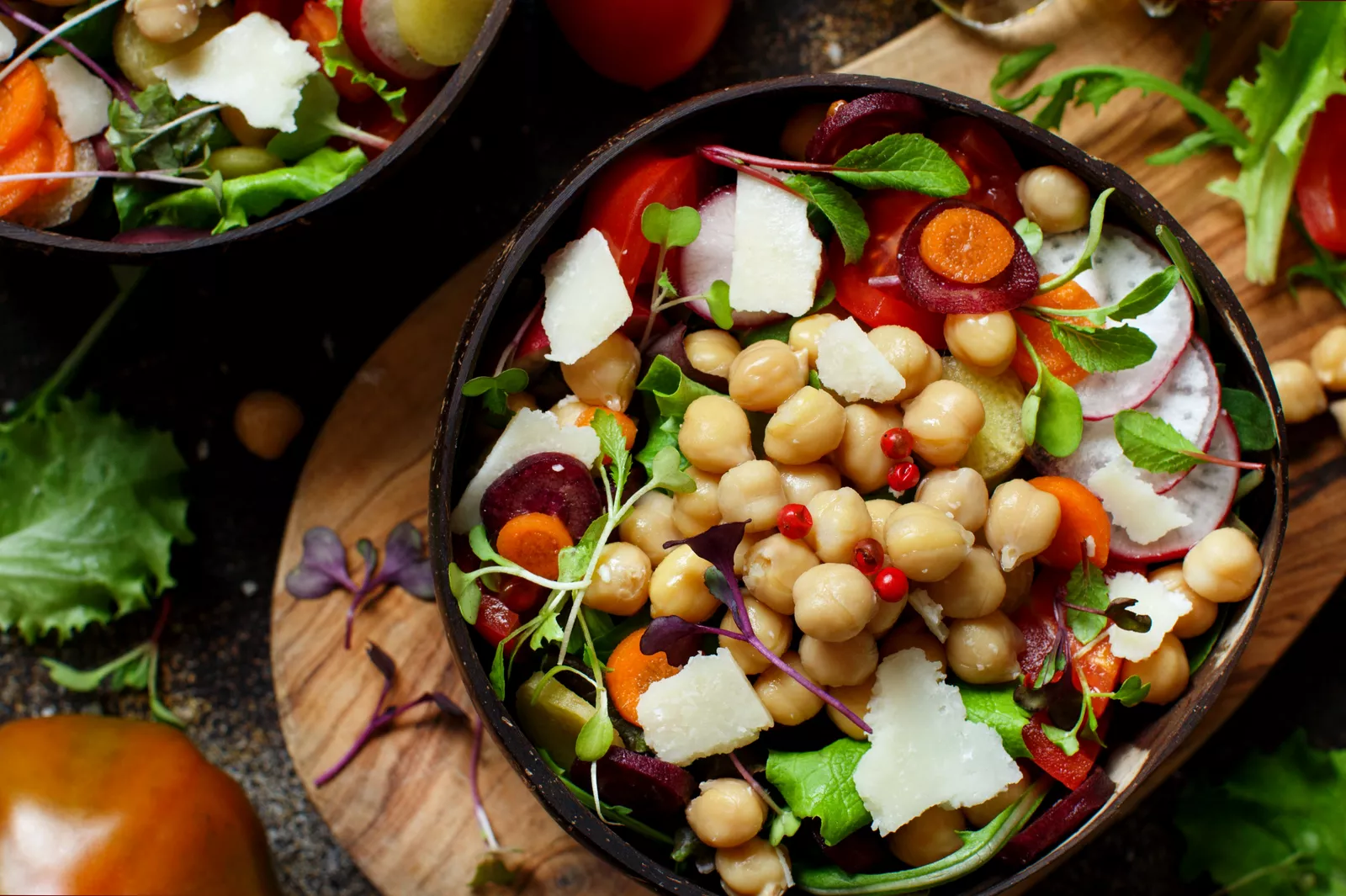
For those seeking alternatives beyond fruit, a 250 ml cup of green tea supplies approximately 200 mg of flavanols, and a small handful of broad beans contains 140 mg. Pinto beans offer around 70 mg per two tablespoons (dry weight). The flavanol content of these foods, however, is far from fixed. The British Heart Foundation points out that levels can vary considerably depending on growing conditions, climate, ripeness, and storage methods. For example, apple peel contains higher concentrations of flavonoids than the flesh, and darker-coloured apples may have greater flavonoid content. Organic blueberry cultivation has been shown to yield higher levels of certain phytonutrients compared to conventional methods.
Expert caution: not yet proven to prevent heart attacks
While the findings are striking, some experts have urged caution about translating them into dietary recommendations. Professor Naveed Sattar, a heart specialist at the University of Glasgow, acknowledged that certain small trials had demonstrated favourable effects of flavonoids on blood pressure. However, he stressed there remains no genuine evidence of actual reductions in heart disease outcomes. Further trials would be necessary before such compounds could be recommended as a means “to reduce cardiovascular events”, including heart attacks and strokes, he cautioned.
Professor Gunter Kuhnle, from the University of Reading, maintained that the five-a-day message remains sound advice, but greater consideration should be given to which items comprise those portions. “Different fruits and vegetables offer very different nutritional benefits beyond vitamins and minerals,” he explained. “As our understanding of these compounds grows, there is a real opportunity to make dietary guidance more specific and more effective.”
Both the British Heart Foundation and the British Nutrition Foundation continue to recommend a balanced diet containing diverse fruits and vegetables. The BHF’s Dell Stanford noted: “Our gut bacteria help break down flavanols into forms the body can use, but everyone’s gut bacteria are different, so the benefits people get from flavanols may vary too.” The research team behind the study has conducted flavanol research in collaboration with Mars Inc., a company that has been involved in flavanol science for over two decades, but the experts caution that until larger trials confirm direct links to fewer heart attacks and strokes, the evidence remains suggestive rather than conclusive.