

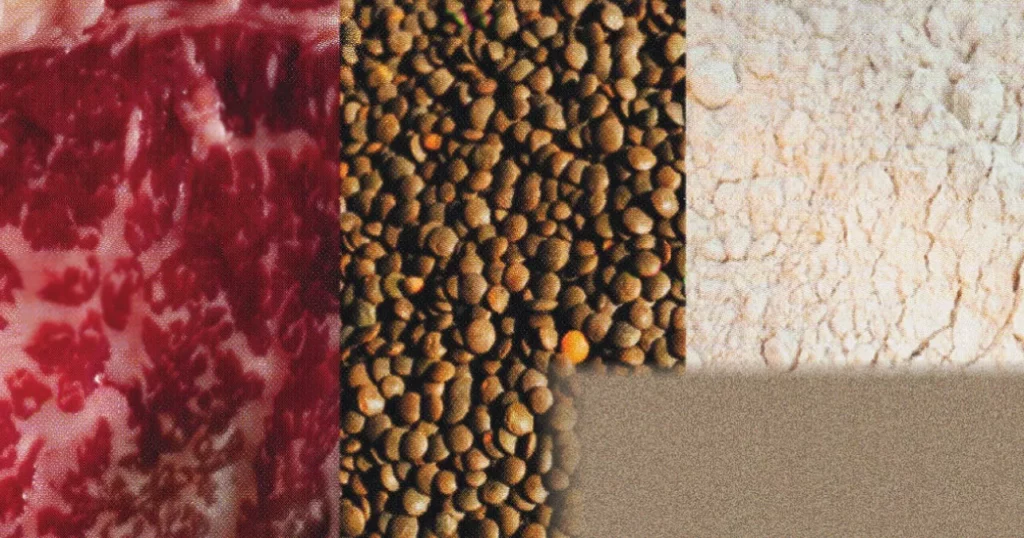
Most people think they are not getting enough protein, but experts say the real issue is not quantity—it is variety. When Debbie Fetter, an associate professor in nutrition at the University of California, Davis, asks her lecture hall of more than 500 students whether they feel they are falling short on protein, “almost every hand shoots up”. A 2024 survey of 3,000 Americans backs that up: most consumers are actively trying to eat more protein, and foods labelled “more protein” have strong appeal. Yet nutrition researchers caution that fixating on a single number can obscure a bigger picture. “Protein is important, but it’s not the only thing that’s important for health,” says Andrea Glenn, an assistant professor of nutrition at New York University. What matters most, she argues, is the range of sources people choose.
Why protein matters—and why more is not always better
Protein is essential for building and repairing tissues, and for making enzymes, hormones and antibodies that fight disease. It is composed of smaller units called amino acids. The human body uses 20 amino acids to function; it can manufacture 11, and the remaining nine must come from food. New US dietary guidelines recommend that adults consume 1.2 to 1.6 grams of protein per kilogram of body weight per day, up from the previous figure of 0.8 grams. Some experts, however, argue the change is unnecessary and could lead to less balanced diets.
Trying to consume as much protein as possible does not automatically build more muscle or lean body mass, Fetter warns. Insufficient protein can cause muscle loss, anaemia and a slower metabolism. Overconsumption, on the other hand, can strain the kidneys, according to Nicole Stob, an assistant teaching professor of integrative physiology at the University of Colorado, Boulder. The key, researchers agree, is to think about the whole package each source delivers.
Animal-based proteins: nutrient density and trade-offs
“There’s a time and place for all proteins,” says Fetter. What works best depends on individual dietary needs and preferences. Animal proteins are complete—they supply all nine essential amino acids—but they come with varying levels of saturated fat, cholesterol and environmental impact.
Beef. A 3oz serving of ground beef contains about 22.2g of protein, while beef shank cross-cuts offer roughly 28.6g, according to USDA data. Beef is a nutrient-dense, complete protein that provides omega-3 fatty acids, vitamin B12, niacin, zinc and iron. Some research suggests that moderate portions of lean beef as part of a healthy diet may not increase heart disease risk. The primary concerns are its potential high cholesterol and saturated fat. The Cleveland Clinic notes that while there is no official recommendation on red meat intake, smaller portions are probably best. The American Heart Association advises selecting products labelled “lean” or “extra lean”; “prime” cuts contain more fat.
Pork. One ounce of beef, chicken or pork delivers about 7g of protein. Pork’s protein content varies by preparation: ham contains 19g per 100g, while pork chops have 26.6g per 100g, according to the USDA. Fresh pork is described by nutritionists as a high-quality, low-cost protein, rich in B-complex vitamins, zinc and iron. A 2025 study on intense exercise found that lean pork protein after training helped with muscle soreness and inflammation more than plant protein, probably because pork contains more creatine and amino acids. The downside is that popular pork products such as bacon and ham are processed meats, linked to an increased risk of cardiovascular disease, cancer and type 2 diabetes. The World Health Organization classifies processed meat as “probably carcinogenic to humans”.
Chicken. Cooked chicken generally contains 23 to 31g of protein per 100g, depending on the cut. A 100g serving of skinless, boneless chicken breast provides 29.5g of protein, comparable to 26.5g in sockeye salmon and 21g in tenderloin steak. A 2023 study from Purdue University found that lean, unprocessed chicken supplies essential nutrients including potassium, iron and B-group vitamins. The nutritional value can suffer depending on preparation: processed chicken may be high in sodium, and chicken skin can add saturated fat.
Fish. One ounce of fish contains about 7g of protein, according to Johns Hopkins Medicine, though species differ. A raw tilapia fillet offers 23.3g of protein; raw cod fillet has about 17.7g. Fish is a good source of omega-3 fatty acids, vitamin D, B12, iodine, selenium, potassium and lean protein, and it tends to have less saturated fat than other animal meats. The FDA and the American Heart Association recommend adults eat about two to three servings of fish per week for these nutrients. “Fish is a good, reliable protein source,” says Stob. “The drawback with fish is the expense.” Canned fish can be a cheaper alternative.
Eggs. One large whole egg contains approximately 6.2g of protein, according to USDA data, with the yolk contributing about 2.7g and the white around 3.6g. Egg protein supports skeletal muscle health and can decrease appetite. Eggs are a nutrient-dense source of energy from protein, fat and several B vitamins, as well as vitamin E, iron, zinc and magnesium. Fetter describes egg whites as a “high-quality” protein because of their digestibility, protein content and low fat, cholesterol and calorie levels. A large egg yolk has about 186mg of cholesterol, which once led experts to recommend moderate consumption. More recent research, however, indicates that egg cholesterol does not raise the risk of heart attack, stroke or other cardiovascular diseases. The Mayo Clinic says most people can eat up to seven eggs a week without affecting heart health.
Plant-based proteins: fibre, phytonutrients and incomplete profiles
Glenn notes that plant proteins generally have a lower carbon footprint than animal proteins—particularly beef. A 2024 study found that eating red meat twice a week instead of four times a week can shrink your carbon footprint and increase longevity. “What we see from the evidence is that people who opt to make most of their protein sources come from plants have improved health outcomes and body composition,” says Fetter. But plant sources are often incomplete proteins, meaning they lack or are low in one or more essential amino acids. Combining them with grains or other sources can fill the gaps.
Beans. Protein content varies by variety: a half cup of kidney beans contains about 8g of protein, while refried beans provide around 6g. Unlike animal protein, beans are incomplete, but “combining them with grains creates a complete protein,” Stob says. Glenn’s own research suggests that substituting red and processed meat with plant proteins can yield cardiovascular benefits. A separate 2021 study found that a plant-centred, high-quality diet starting in young adulthood is associated with a lower risk of cardiovascular disease by middle age. Beans are also rich in minerals, B vitamins, carbohydrates and fibre. “Compared to some animal sources, beans may contain a little bit less protein,” says Glenn. “But at the same time, you’re also getting fiber, which most Americans are not getting enough of.” Pulses—edible seeds from legume plants, such as beans, lentils and peas—are linked to reduced risk of heart disease, diabetes and some cancers. The high fibre content helps lower cholesterol and blood sugar, prevents constipation and aids weight management. For people unaccustomed to high-fibre foods, beans may cause bloating and gas; adding fibre gradually helps the body adjust.
Lentils. A half cup of lentils provides about 9g of protein. They are a source of manganese, potassium, iron, fibre and folate, and contain polyphenols—plant chemicals with antioxidant benefits linked to reduced blood pressure. Lentils are lower in calories than animal proteins and contain no saturated fat. Scientists have found a link between lentil consumption and reduced incidence of diabetes, obesity, certain tumours and cardiovascular diseases; some research suggests lentils increase fullness and support weight management. Glenn recommends using lentils in dishes such as meatloaf and spaghetti bolognese. Cooking methods can alter some nutrients—boiling can cause vitamin loss—but proteins generally remain intact. Because lentils are incomplete, Stob recommends alternating them with other protein sources, such as tofu. Additional advantages include affordability and a long shelf life. As with beans, digestive issues such as gas and bloating are possible for those not used to high fibre.
Tofu. Protein content varies by firmness and brand; on average, a half cup of firm tofu contains roughly 21.8g of protein. Soy protein is a complete protein. Tofu generally has more protein per calorie and slightly more per serving than most cooked beans (for example, one cup of boiled black beans has about 15.2g). Soy-based foods are rich in B vitamins, fibre, potassium, magnesium and protein. When calcium sulfate is used as a coagulant, tofu also becomes a good source of calcium. Tofu contains isoflavones, plant compounds structurally similar to oestrogen. A 2020 study found that higher intake of isoflavones and tofu was associated with a moderately lower risk of coronary heart disease; other research links tofu consumption to a lower risk of osteoporosis and breast cancer. Tofu is higher in fat than other plant proteins such as lentils or beans, but the fat is heart-healthy polyunsaturated fat. Softer varieties contain less fat. People with soy allergies should avoid tofu.
Protein powders: a supplement, not a substitute
Protein powders are made from sources such as whey, egg and pea. A typical serving contains about 20 to 25g of protein, according to the Mayo Clinic. The US Food and Drug Administration does not regulate dietary supplements, including protein powders, meaning ingredients listed on the label may not match what is in the product. Fetter advises choosing products that have undergone third-party testing. Protein powders are primarily designed to supplement a diet, not replace whole foods. “I encourage people to get some whole food sources in there, and not just rely on protein powders or shakes for their protein sources,” says Glenn. Stob adds that if opting for plant-based powders, consumers should seek varieties that combine multiple sources to ensure all essential amino acids are present.
Vitamins and minerals, such as potassium and calcium, may be added to protein powders, but researchers caution that there can be differences between label claims and actual content. Excess protein does not automatically translate into more muscle and can lead to extra calories. Some powders are high in sugar and calories due to additives such as flavours and fillers; Glenn recommends avoiding those with high levels of these low-cost ingredients, which dilute the protein content. There is also a risk of lead exposure with some powders, though researchers note that there is probably no immediate harm from these levels.