

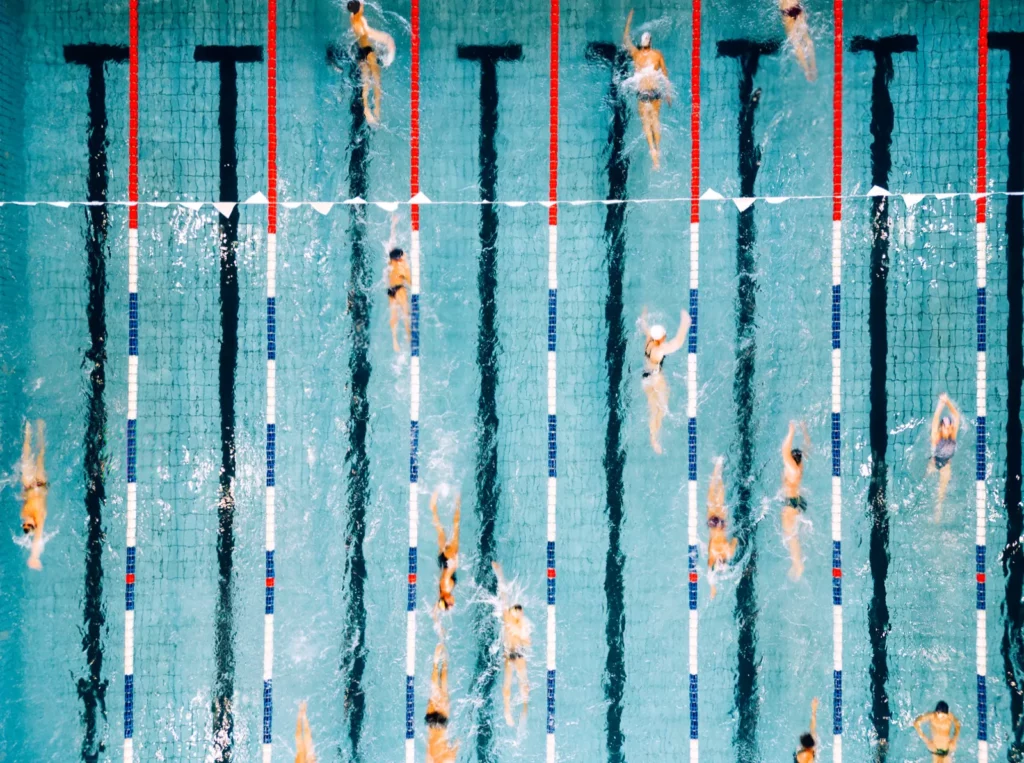
Swimmers are divided over a “foot tap” etiquette for overtaking in pools, with some hailing it as a polite signal and others recoiling at the intrusion. The practice, intended to let a faster swimmer pass, has sparked unease, panic and even threats of retaliation among casual lane swimmers.
The debate was brought into focus after a journalist from this website had an unsettling encounter during a slow, relaxed session at a local pool. Plodding along in the slow lane, they realised the swimmer behind was becoming impatient. At first they thought they had mistakenly chosen the wrong lane, but the other swimmer was indeed in the slow lane — and, worse, made no attempt to overtake politely. The writer said they had even seen pensioners “tagged” by impatient swimmers who could not exercise a modicum of patience.
The signal in question is a gentle tap on the toes of the swimmer ahead. According to Speedo’s “seven commandments of lane swimming”, it is a “universal gesture among club swimmers – if you want to overtake, gently touch the toes of the swimmer in front”. The slower swimmer is then expected to pause at the end of the lane to let the faster swimmer pass. But the problem, as Andrew Clark, manager of the London Aquatics Centre, explains on the Speedo website, is that not everyone is aware of it. He describes it as an “international custom, except in the UK where only club swimmers seem to know about it and people get sensitive about being touched”.
That sensitivity is widespread. The journalist noted that while a foot tap might have saved them from feeling hounded, they simply do not want a stranger touching their feet in public — raising questions of hygiene and intimacy. “At least buy me a drink first,” they wrote. This view is echoed by many on the r/Swimming Subreddit. User @Aggravating-Dust7430 said they feel “panic” when someone touches their feet while they are trying to enjoy a few lengths. “I always try not to slow people down, so if they are very close and faster than me, near the end of the lane I’d let them pass,” they explained. “But on occasion, someone just touches my feet in the middle of the lane. That’s when I put in 200% more effort and get 7% faster.” Another user, @thepatiosong, said they would be “extremely annoyed” because they are “sufficiently lane-aware” to know if they are likely to be overtaken during the next length and can simply wait for the “speedster” at the wall. “Anything to avoid unnecessary interaction,” they joked. And one user noted that in Switzerland foot tapping is not a thing at all, describing the whole concept as “bizarre”.
A clash of cultures
Yet there are ardent toe-tappers who insist the foot tap is simply the polite thing to do. “If you are the faster swimmer and want to pass someone, you should tap their feet once and then pass them,” said @bebopped, while @Deacon_Mushrat1 called it “actually a very standard lap swimming convention”. The debate is equally divisive within this newsroom, where colleagues have described the tap as “way too intimate”, with one saying “I’m never going swimming again now that I know this is a possibility”, and another threatening “If someone did it to me I would kick them.” One staffer suggested that swimming lanes should ask swimmers to consent to foot taps, while another argued it “avoids too many clashes” because “people can get quite rough shoving each other out of the way”.
The controversy touches on broader issues of lane etiquette, hygiene and public awareness. In many pools, especially when lanes are shared, “circle swimming” is the norm — swimming in a counter-clockwise direction and staying to one side. When overtaking is necessary, a gentle tap on the foot is one accepted method, but the risk of misinterpretation is high. Some swimmers consider any touch from a stranger unwelcome, and the research highlights that hygiene is a genuine concern. Even among club swimmers, the practice is understood; but for the general public, a foot tap can be startling.
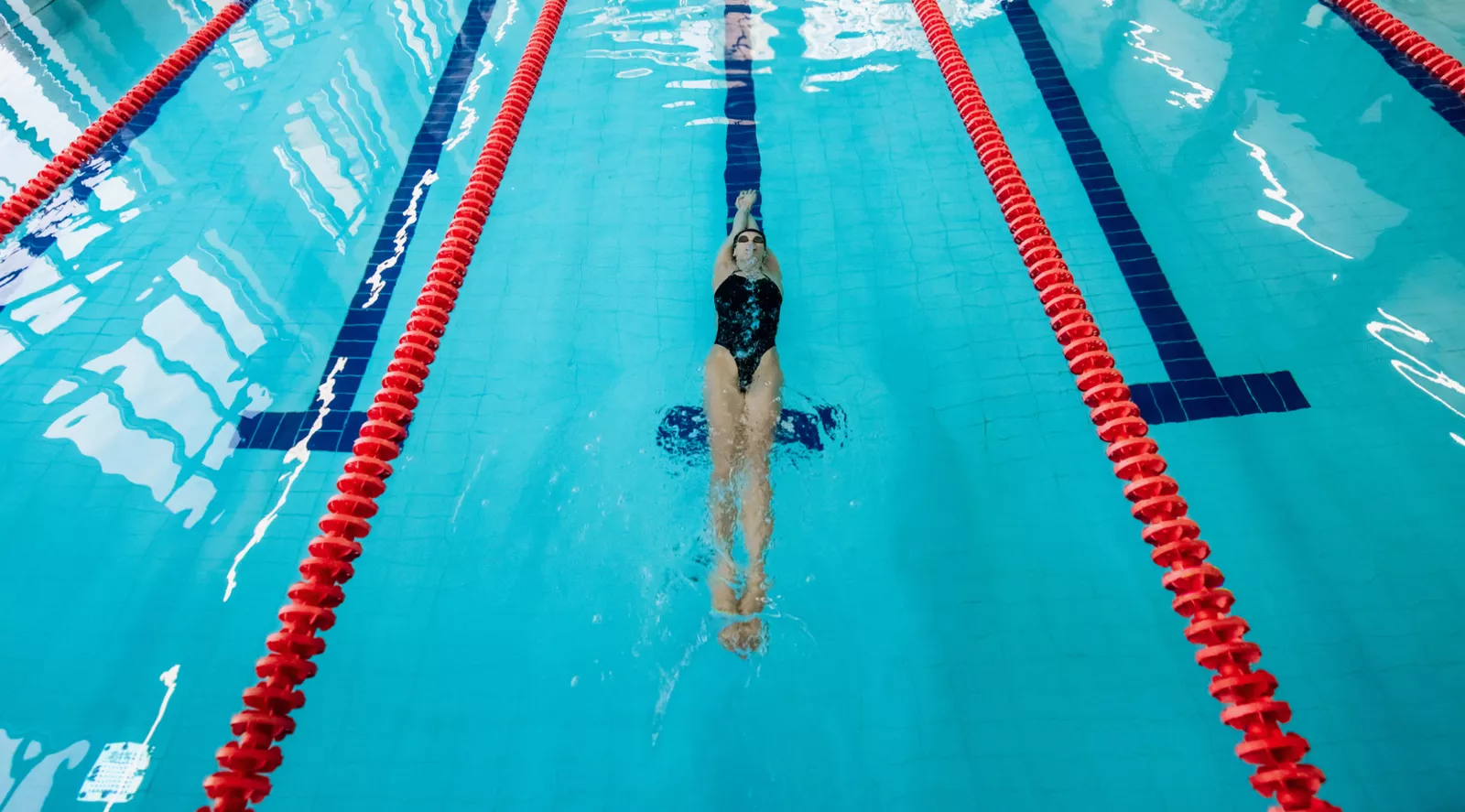
Beyond the etiquette row, there are practical hygiene considerations. Swimming pools can harbour infections such as athlete’s foot and verrucas, and wearing flip-flops in communal areas is recommended. A YouGov survey indicates that 17% of UK adults admit to urinating in a public swimming pool, and a separate US survey suggests 48% of swimmers use pools to rinse dirt from their feet or sandals, effectively turning the pool into a communal foot bath. While swimming itself strengthens foot muscles and improves circulation, the environment requires care — and the prospect of a stranger’s toes brushing against yours only heightens unease.
Whatever side swimmers take, the key is awareness. As the journalist concluded, knowing that foot taps are a recognised signal means that when you feel something brush your toes while perfecting your front crawl — and have confirmed it is not a rogue plaster floating by — you are prepared for what it means.