


Gen Z is turning to so-called “dopamine websites” – simulated online platforms that mimic the thrill of ordering food or shopping online without spending a penny – as a way to chase a quick psychological reward. The trend, which originated in South Korea, is gaining traction globally as young people seek the dopamine hit that comes from anticipation without the financial cost.
What are dopamine websites?
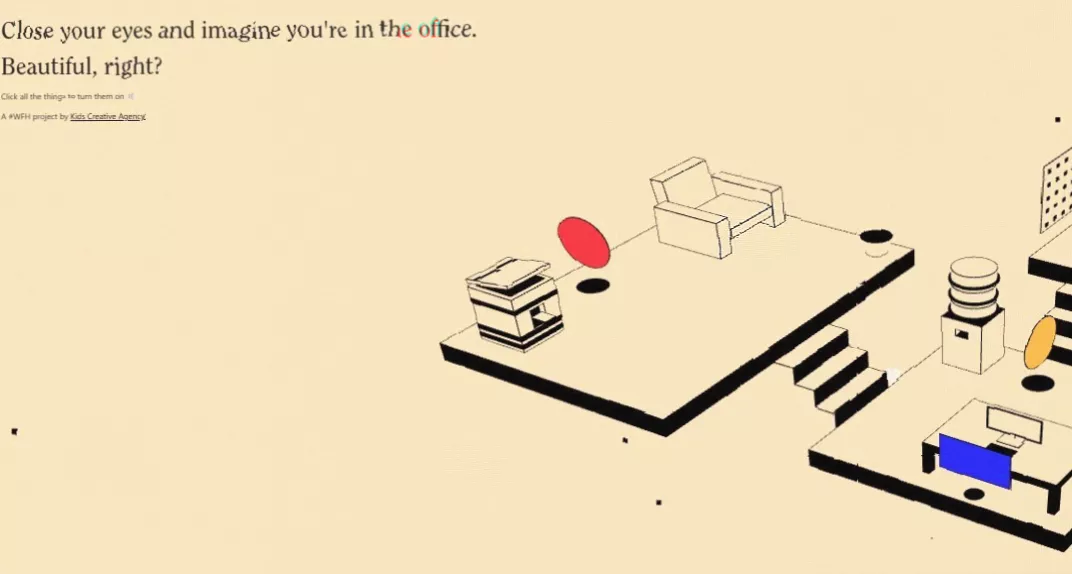
These are fake websites designed to replicate the experience of using real services such as food delivery apps like Deliveroo or Just Eat, or e-commerce checkout pages. Users can browse menus, customise orders, select delivery options, see fees and reviews, and even track a virtual courier – but no money changes hands and nothing ever arrives. The whole process is gamified from start to finish. One well-known example is FoodNeverComes, which looks identical to a real delivery app. Other popular dopamine sites include a smoking simulator that lets users take a “smoke break” in a virtual room with strangers without actually smoking, as well as “quiet spaces” that simulate office life and online shopping sites that allow users to fill a cart and check out without making a purchase.
The psychology of anticipation
The appeal lies in the brain’s reward system. The act of browsing and anticipating a purchase triggers the release of dopamine, the feel-good neurotransmitter. According to Psychology Today, the mind constantly runs simulations of possible futures, imagining how an experience will feel and how it might improve our lives. These simulations can generate real emotions even if the event never occurs. “Browsing a takeout menu can be enjoyable even without placing an order,” the publication explains, noting that the experience activates memories, expectations and preferences. Professor Cathrine Jansson-Boyd, a consumer psychologist at Anglia Ruskin University, says the biggest draw of dopamine websites is “anticipation” – the promise of a reward that has not yet arrived.
For some users, the sites serve as a practical tool. A 25-year-old office worker known only as Kim told The Korea Times that he uses them to relieve stress when he craves food late at night but wants to save money. “It feels like a real delivery app, so I somehow keep looking at it. I don’t end up ordering anything, but it feels like it relieves a little stress,” he said.
Potential risks and downsides
While the dopamine spike is real, Professor Jansson-Boyd warns that the experience can come with significant negative consequences. “The sites certainly can increase dopamine levels, but they may also lead to a bigger dip in disappointment when nothing ever materialises,” she says. This gap between expectation and reality can create frustration, potentially driving users to engage more frequently with the sites to feel good again. “It could become a repeating pattern similar to addiction to computer gaming,” she adds.
Beyond the cycle of reward and disappointment, there are concerns about the emotional toll of prolonged exposure to desirable goods. Professor Jansson-Boyd notes that digital window shopping can activate feelings of envy or inadequacy, particularly for those who cannot afford the items they are browsing. “Prolonged exposure to desirable goods can activate a cycle of desire, leading to feelings of inadequacy or envy, which may increase materialistic values and lower overall well-being,” she explains. Research suggests that digital window shopping can produce addiction-like effects on the brain, blurring the line between harmless activity and an obstacle to well-being.
Mixed public reaction
Opinions on dopamine websites are sharply divided. Some social media users welcome them as a way to curb impulse spending and avoid debt. On Reddit, one user with the handle u/yepthisismyusername wrote: “If it works, this is great. Very much ‘no harm done’ as I see it. Something that can give the dopamine of addiction with none of the pitfalls is a great thing.” Another, u/TheAmazingBildo, admitted: “I would love this. Not because I’m a shopping addict, but because I’m too poor to buy anything for real.”
Others, however, find the trend deeply troubling. User u/LongMelford described it as “end-stage capitalism”, while u/middaymoon called the sites “extremely grim”. Another commenter, u/Smooovies, compared the experience to “that food where you season rocks and lick the flavor off lol”, adding that “capitalism has literally consumed the ability to consume.” Some users said the concept felt “dystopian as f***”, likening it to an episode of Black Mirror, and stated they would stick to traditional physical window shopping instead.
A Metro poll accompanying the original report gave readers three options: “Yes”, “No”, and “I’m curious about them”, reflecting the spectrum of reactions to the trend.
Security concerns
There may also be practical risks. When Metro attempted to access the FoodNeverComes website on June 26, 2026, it encountered “dodgy-looking pop-ups”, suggesting potential security or malware issues for those drawn to these simulated experiences.