

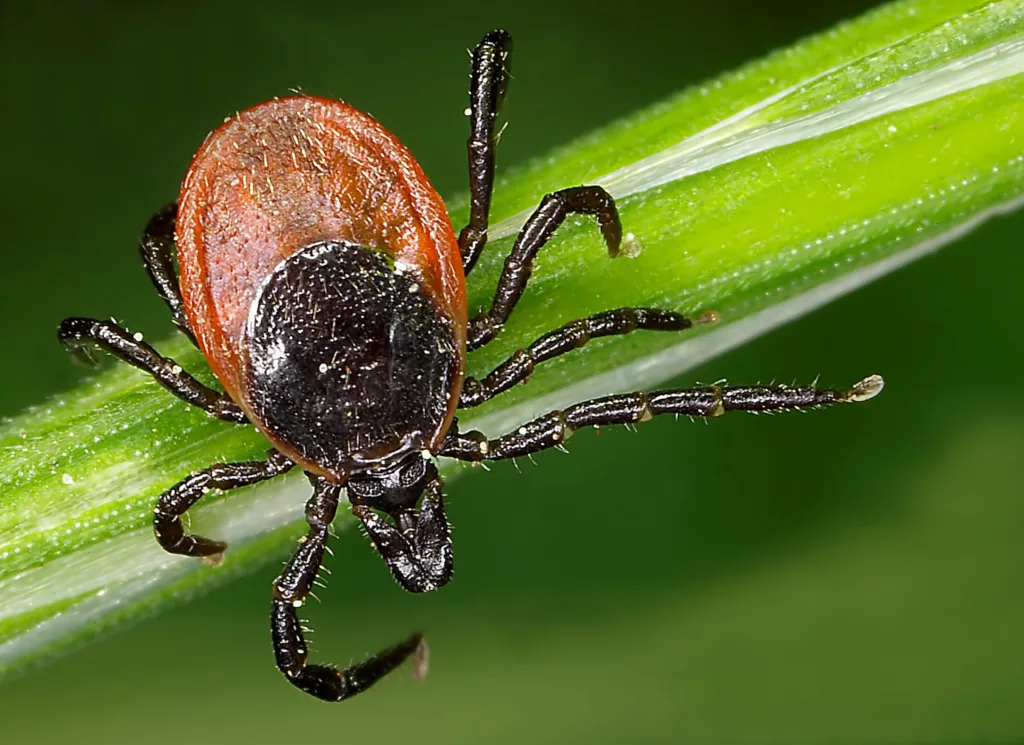
The South West of England recorded 281 laboratory-confirmed cases of acute Lyme disease in 2025, cementing its position as one of the highest-risk areas for tick-borne illness in the country, according to the UK Health Security Agency (UKHSA). The figure represents the second-highest regional total in England for the year, behind only London, and comes as national cases rose sharply.
Across England as a whole, UKHSA data shows 1,168 laboratory-confirmed cases of Lyme disease in 2025 — a 22 per cent increase on the 959 cases reported in 2024. The number is broadly in line with the 1,151 cases seen in 2023. However, officials estimate that between 1,000 and 2,000 additional cases occur annually in England and Wales that are never confirmed in a laboratory, meaning the true burden of disease is likely higher.
The UKHSA South West region covers Bristol, Cornwall, Devon, Dorset, Gloucestershire, Somerset and Wiltshire. Jennifer Taylor, Consultant in Health Protection at UKHSA South West, said the region has the “highest rates of tick bites and tick-borne disease in England”. She added: “Our beautiful landscapes are part of what makes this region special, but they are also habitats where ticks thrive.”
Where ticks live and how they spread disease
Ticks are typically found in wooded areas, grasslands and heathland, according to the UKHSA, but they also occur in urban parks and gardens. The tick species Ixodes ricinus, native to the UK, is the primary vector for Lyme disease and can also carry tick-borne encephalitis (TBE). Current research suggests around 4 per cent of ticks in England carry the bacteria that cause Lyme disease, though infection rates vary by location. Studies in Europe indicate that between 1 per cent and 5 per cent of bites from infected ticks result in the disease.
Transmission of Lyme disease usually takes between 24 and 48 hours after a tick attaches. However, other tick-borne illnesses — including anaplasmosis and babesiosis — can be transmitted sooner. Although the rates of these diseases are significantly lower, they can make an individual sicker. Anaplasmosis tends to cause more fever than Lyme disease and can lead to abnormal liver function tests and low white blood cell and platelet counts. Babesiosis infects red blood cells and can cause anaemia, dark urine, headache, fever and abdominal complaints. While human cases of both remain rare in the UK, strains of babesiosis associated with severe illness have been identified.
Two probable cases of TBE complex were identified in England in 2025, a virus first detected in the UK in 2019 and endemic in parts of central and eastern Europe. Another rare condition linked to tick bites is alpha-gal syndrome, an allergic reaction to red meat that can develop after a bite.
Tick activity follows a strong seasonal pattern, increasing in late spring and peaking in June. Reports of acute Lyme disease cases mirror this trend, peaking in late summer. Tick numbers vary year to year depending on weather conditions, climate trends, habitat changes and shifting host populations such as deer, small mammals and birds.
Prevention and tick removal advice
UKHSA officials stress that the public should continue to enjoy the outdoors, particularly during summer, but take simple precautions. “Cover up where you can, check yourself and your children for ticks after being outside, and remove any ticks promptly,” said Jennifer Taylor. “If you develop symptoms after a tick bite, please seek medical advice.”
Specific prevention measures include walking on clearly defined paths to avoid brushing against vegetation, wearing long trousers tucked into socks and long-sleeved tops, and choosing light-coloured clothing to make ticks easier to spot. Insect repellents containing 20 to 50 per cent DEET should be applied to exposed skin and clothing; permethrin-treated clothing offers additional protection. Showering within two hours of coming indoors can wash off unattached ticks, and tumbling clothes on high heat for at least 10 minutes kills any remaining ticks — washing alone may not be sufficient.
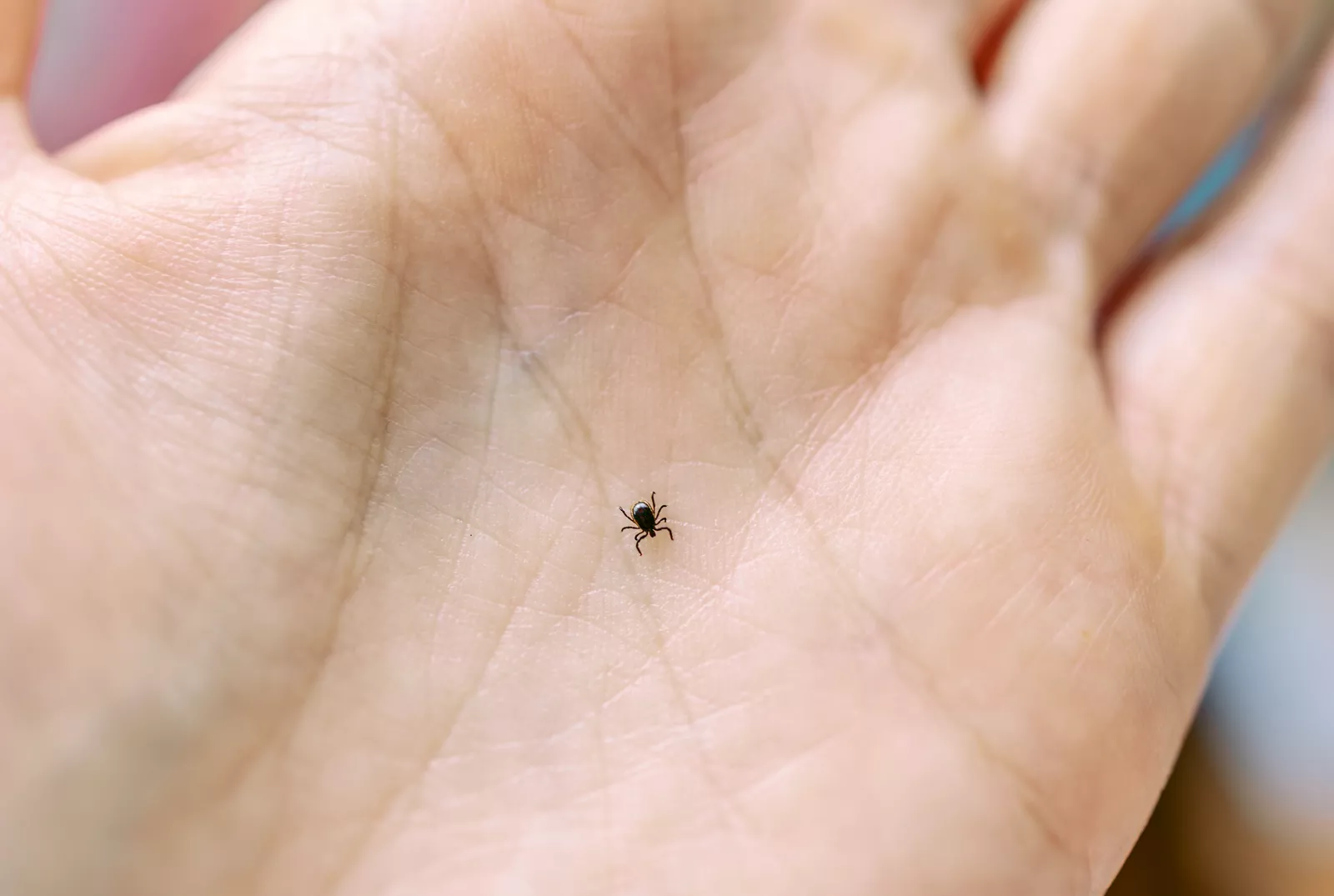
Thorough tick checks should be carried out after outdoor activity, paying attention to skin folds such as armpits, groin and behind the knees, as well as the waistband, wrists, back of the neck and hairline. Adults are commonly bitten on the legs, while children are often bitten on the head and neck.
If a tick is found attached, the UKHSA advises removing it as soon as possible using fine-tipped tweezers or a tick removal tool. The tick should be grasped as close to the skin as possible and pulled upward slowly and firmly — without twisting. The bite area and hands should then be cleaned thoroughly with soap and water. Heat, oil or other unsuitable products should never be applied to the tick, as this can irritate it and potentially spread infection.
Symptoms of Lyme disease
The most common early symptom of Lyme disease is a spreading “bullseye” rash (erythema migrans) at the site of the tick bite, which typically appears between three and 30 days after the bite. However, this rash does not occur in all cases. Other early symptoms include mild flu-like illness — fever, headache, fatigue — together with muscle and joint pain and loss of energy.
If left untreated or treatment is delayed, later symptoms can include inflammation throughout the body, such as arthritis; heart problems including myocarditis, chest pain and palpitations; nerve and brain problems such as facial paralysis (Bell’s palsy), encephalitis or meningitis; nerve pain, numbness or tingling in the hands or feet; and confusion, memory problems and difficulty concentrating. Some individuals develop post-treatment Lyme disease syndrome, experiencing persistent symptoms such as fatigue and muscle pain for more than six months after treatment, even without ongoing infection.
Wider factors and research into new treatments
The rise in cases reflects broader environmental changes. UKHSA scientists note that climate change — warmer and wetter weather, milder winters — is reshaping the tick ecosystem and widening the window of tick activity. Land management practices, including unchecked vegetation growth and reduced sheep grazing, can contribute to increased tick populations, while woodland expansion through environmental schemes may also boost tick distribution. Urbanisation, with expansion into greenbelts and increased urban biodiversity projects, creates favourable tick habitats, raising exposure risk in urban and suburban settings.
Laboratory-confirmed cases in England and Wales have risen steadily since reporting began in 1986, reaching a peak incidence rate of 2.77 cases per 100,000 population in 2018. Cases are most commonly reported in the south of England and London, though they occur across the country, including Scotland and Wales.
Against this backdrop, several pharmaceutical companies are developing new drugs to tackle Lyme disease and related illnesses. Tarsus Pharmaceuticals is developing an oral medication, TP05, designed to kill ticks before they can transmit the infection; phase II clinical trials have shown promising results. Meanwhile, 60 Degrees Pharmaceuticals is working on Tafenoquine (Tofenquin) for babesiosis, a disease for which no approved treatments currently exist.